Commercial Vessel Coating Regulations in New Zealand: A 2026 Compliance Guide
Could a single biofouling inspection in Northland cost your operation more than your entire annual maintenance budget? You likely understand…
Non-Toxic Marine Hull Coating for Commercial Fleets: The 2026 Performance Standard
The 11% carbon intensity reduction factor mandated for 2026 means that passive compliance measures are no longer sufficient for global…
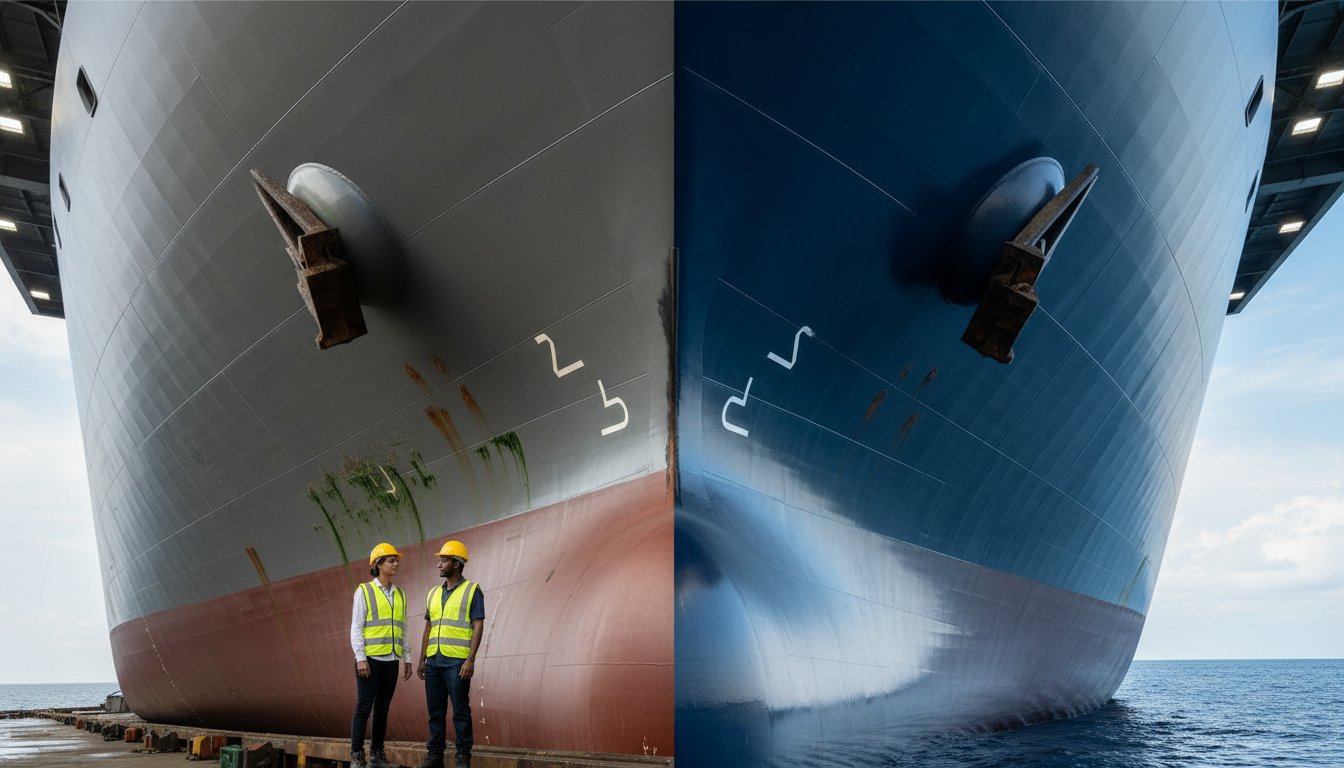
Switching from Ablative to Foul Release: The Technical Guide to Hull Performance
Did you know that optimizing your hull surface with a drag-reducing coating can improve vessel speed by 3.7% while reducing…
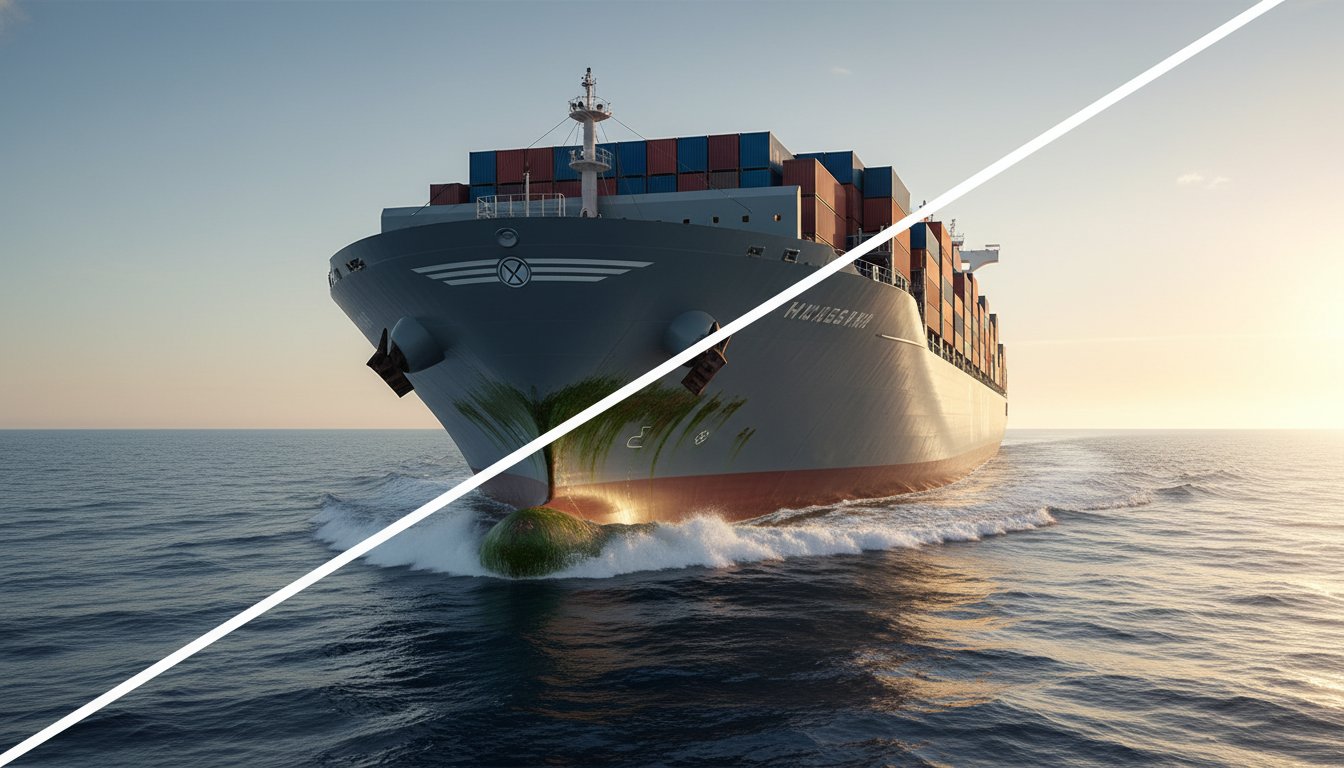
The Hidden Costs of Cheap Bottom Paint: A 2026 ROI Analysis for Vessel Owners
A slime layer measuring just 0.5 mm on your vessel's hull can increase fuel consumption by as much as 25%.…
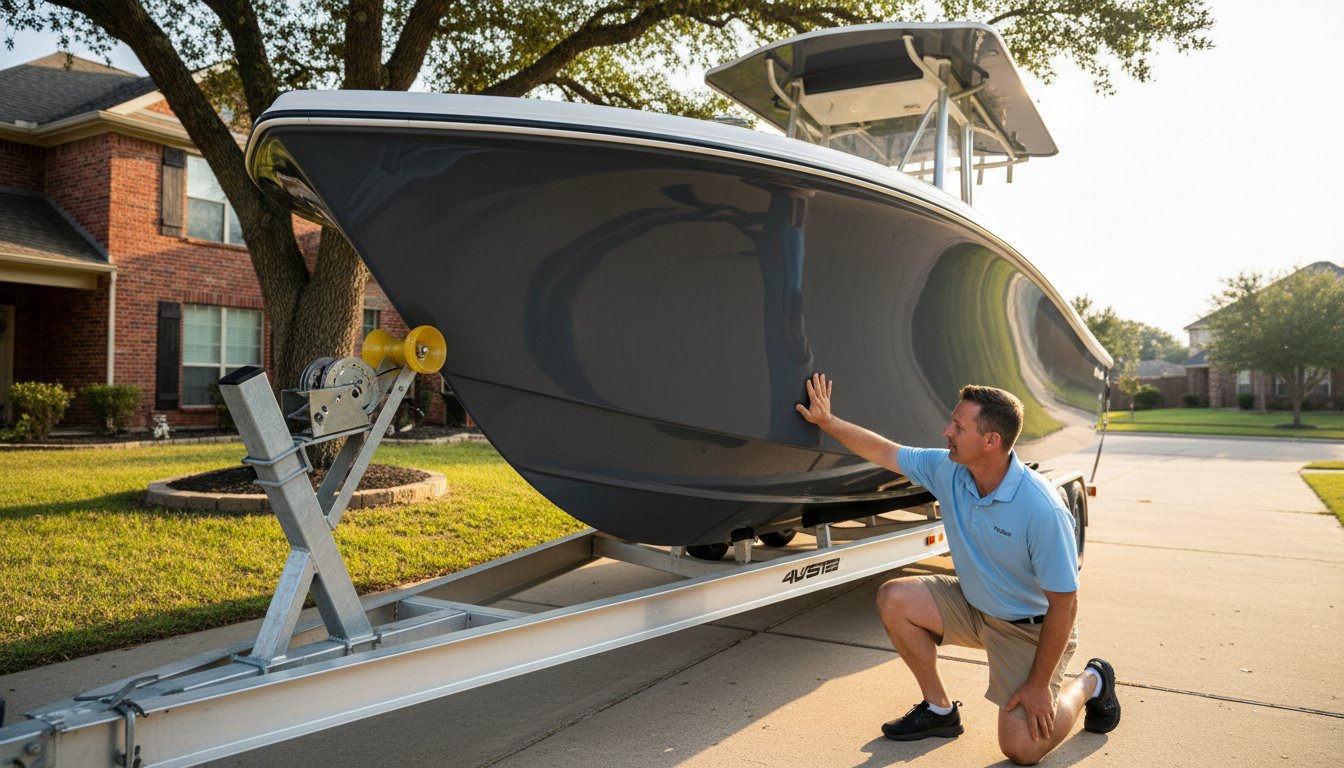
Durable Bottom Paint for Trailered Boats: The Hard-Film Foul Release Solution
The very paint designed to protect your hull is likely failing the moment it makes contact with your trailer bunks.…
Preventing Barnacle Growth on Boats: The Science of Foul Release in 2026
Did you know that barnacle fouling can increase your vessel's fuel consumption by as much as 40%, according to a…

Water Jetting vs. Sandblasting for Hull Preparation: A Technical Comparison for 2026
The most aggressive method for surface preparation might actually be the primary obstacle to your vessel's long-term hydrodynamic efficiency. While...
The Future of Marine Coating Technology: Navigating the Shift to Biocide-Free Efficiency in 2026
As of January 1, 2026, the maritime industry reached a regulatory tipping point where traditional antifouling paints, some leaching up…
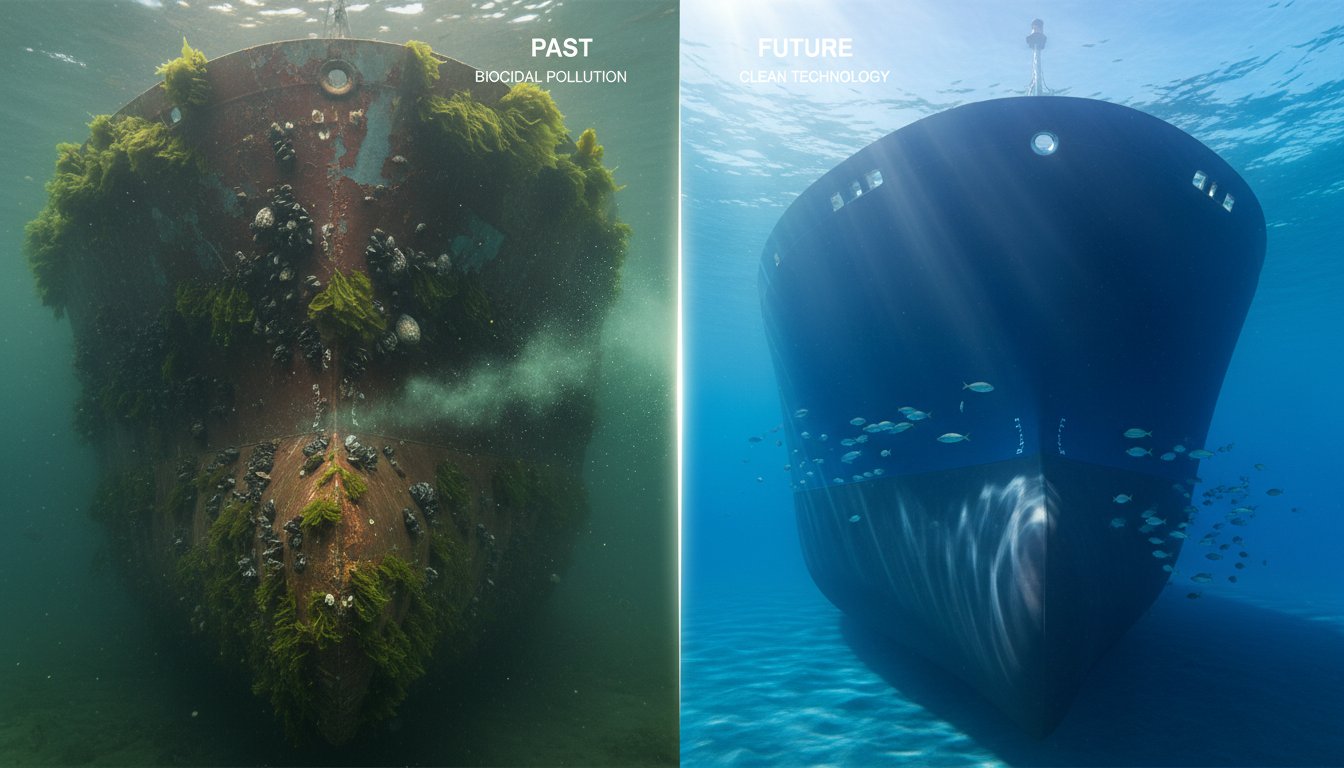
Environmental Impact of Antifouling Paint: A 2026 Scientific Review
Recent 2026 longitudinal studies reveal that traditional biocidal coatings release over 50,000 tons of heavy metals into global waterways annually,...
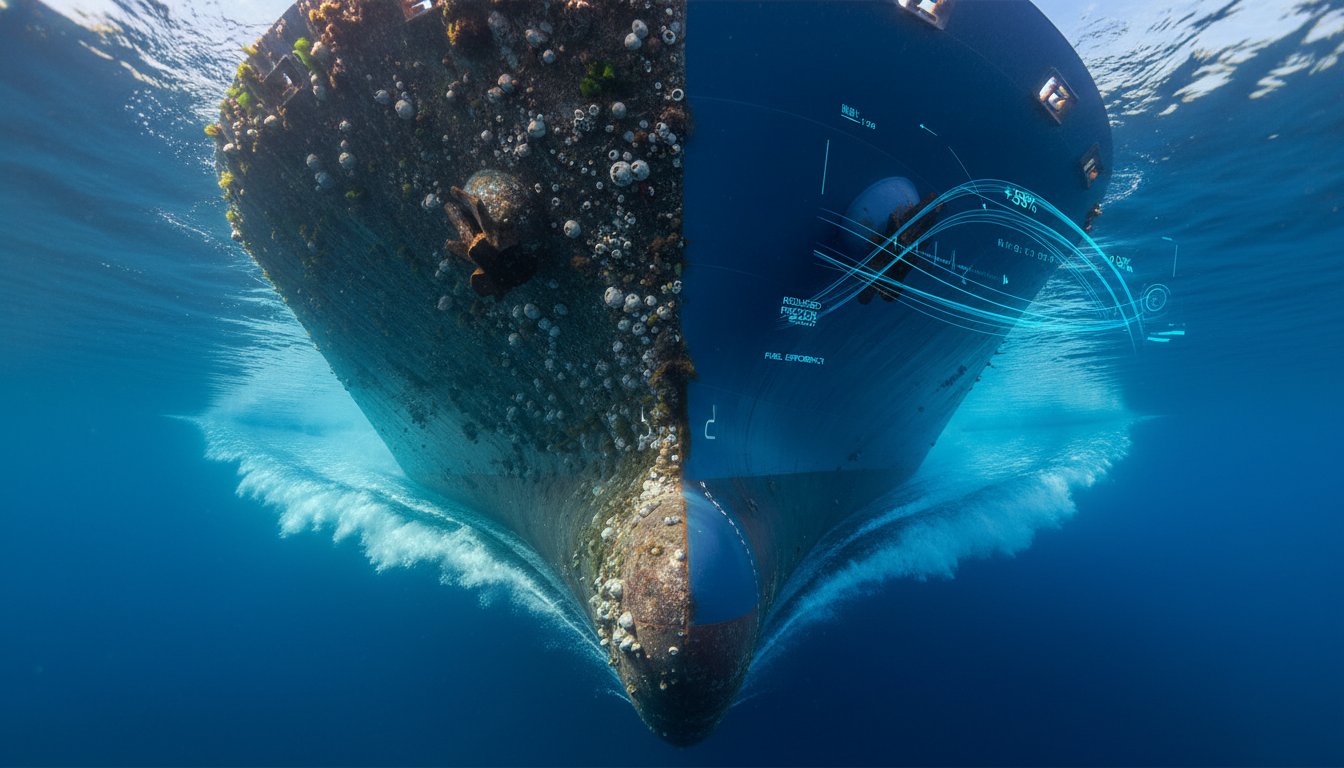
How Does Foul Release Coating Work? The Science of Hydrodynamic Efficiency
The International Maritime Organization reports that heavy biofouling can increase a ship's fuel consumption by as much as 40 percent.…