
Non-Toxic Marine Hull Coating: The 2026 Guide to Performance and Compliance
The International Maritime Organization has set a 2026 deadline for the total removal of Cybutryne-containing coatings, while new EPA mandates…

Fuel Efficient Boat Paint: The Science of Reducing Hull Drag in 2026
Could a surface thinner than a human hair be the most effective tool in your fleet's decarbonization strategy? As maritime…

Total Cost of Ownership: Non-Toxic Foul Release Coating vs. Antifouling Paint (2026)
Is your vessel's hull coating a strategic asset or a recurring liability that quietly erodes your margins every two years?…

How Often to Bottom Paint a Boat? The 2026 Maintenance Guide
What if the annual haul-out was no longer a mandatory ritual of vessel ownership? For decades, the maritime industry accepted…
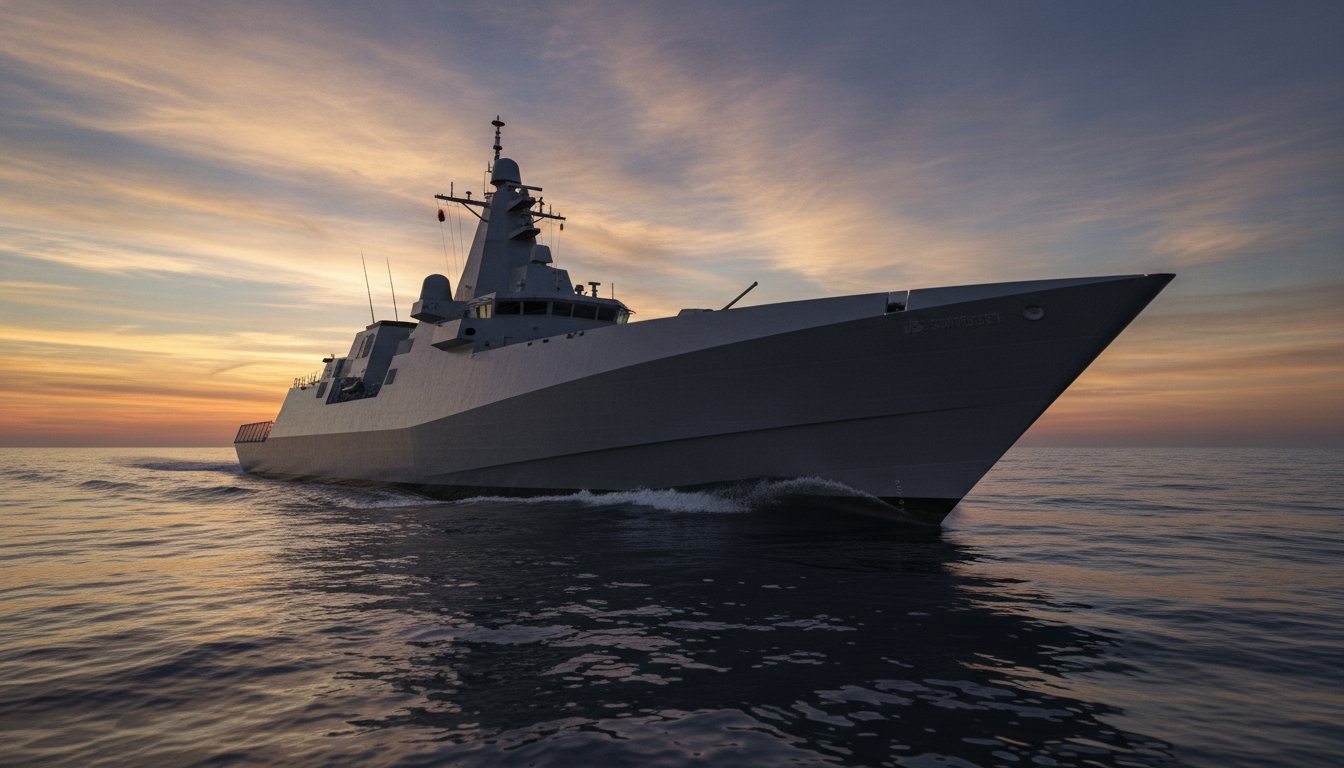
Military Ship Hull Coatings: Performance, Durability, and Compliance in 2026
With Very Low Sulphur Fuel Oil prices reaching $962.55 per metric ton in May 2026, the hydrodynamic efficiency of military…

Marine Coatings for Cruise Ships: The 2026 Guide to Performance and Compliance
With Very Low Sulphur Fuel Oil prices reaching $962.55 per metric ton in mid-2026, even a microscopic increase in hull…

What is Silane-Siloxane Technology? A Guide to Advanced Surface Science
What if the very chemistry protecting your vessel could also be the key to meeting the IMO’s 20% emission reduction…

Hull Coatings for Fuel Efficiency: The 2026 Strategic Guide to Vessel Performance
With Very Low Sulphur Fuel Oil (VLSFO) prices reaching $962.55 per metric ton in May 2026, every percentage point of…

How to Comply with Ship Emission Regulations in 2026: A Strategic Guide
Nearly 45% of the global tanker, bulker, and container fleets are projected to receive a D or E rating by…

Marine Coating Durability Test: Evaluating Hull Performance & Longevity in 2026
Why would a shipowner invest in a coating that is fundamentally designed to fail? Traditional sacrificial paints and soft silicones…