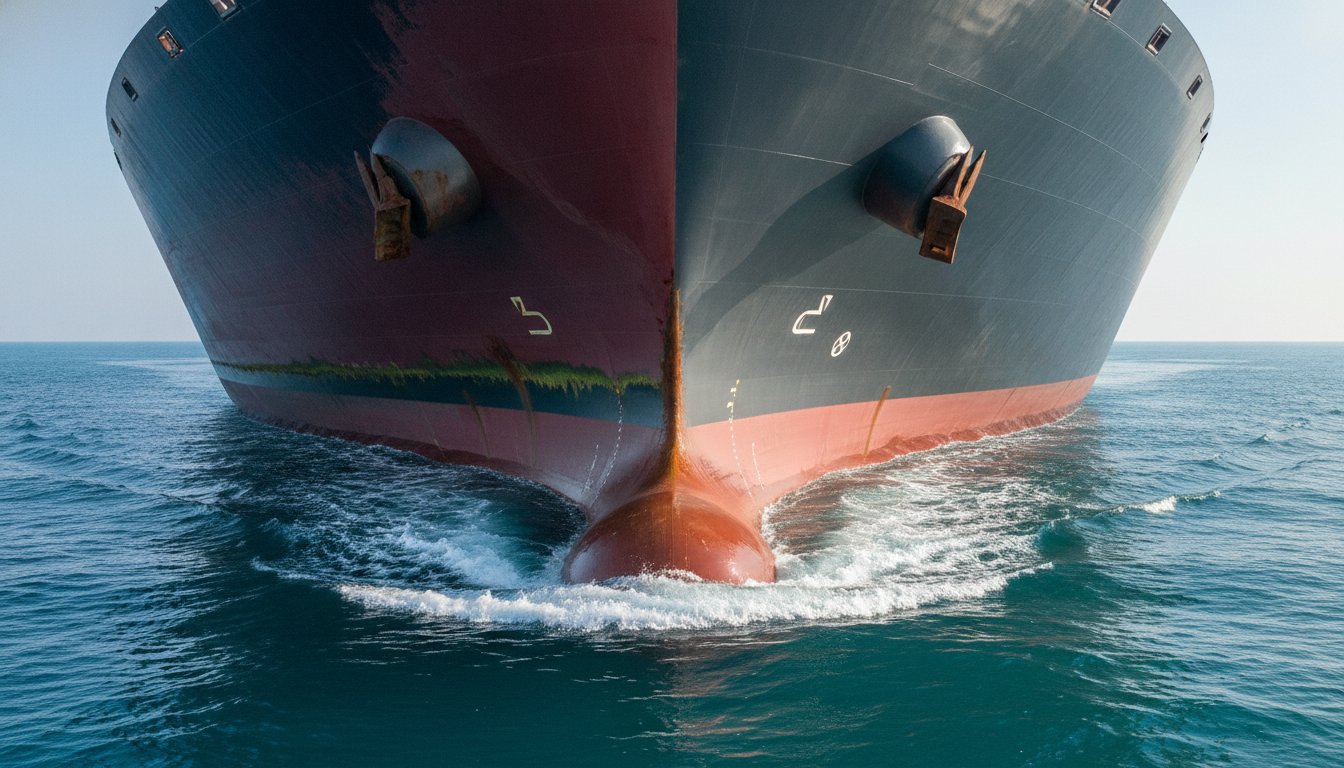
Is your vessel’s hull coating a strategic asset or a recurring liability that quietly erodes your margins every two years? While the maritime industry has long relied on biocidal paints, the implementation of the July 18, 2026, IMO AFS Convention revisions has fundamentally shifted the economic landscape. Fleet managers now face stricter on-site monitoring for copper release rates, making traditional self-polishing copolymers a regulatory and financial burden. When you analyze the total cost of ownership non-toxic foul release coating vs antifouling paint, it’s clear that the lower entry price of toxic coatings is often a mathematical illusion that ignores the long-term reality of drag-induced fuel loss and frequent dry-docking.
We understand that operational uptime and regulatory compliance are your primary drivers in a high-stakes sector. This technical briefing promises a comprehensive evaluation of how hard-film systems provide a permanent solution to biofouling without the need for constant reapplication. We’ll examine evidence-based metrics showing fuel savings of up to 10% and explain how proprietary silane-siloxane chemistry allows for safe in-water cleaning. By the end of this analysis, you’ll see how extending service intervals to a 10-year cycle transforms hull maintenance from a recurring expense into a performance-enhancing strategy that safeguards both your bottom line and the marine ecosystem.
Key Takeaways
- Analyze the total cost of ownership non-toxic foul release coating vs antifouling paint by accounting for cumulative fuel penalties and the recurring expenses of biocidal reapplication.
- Examine the scientific mechanism of silane-siloxane technology, which provides a non-leaching, durable surface as a permanent alternative to traditional chemical depletion.
- Quantify the economic impact of reducing dry-docking frequency from five events to a single application over a ten-year operational window.
- Understand how permanent drag reduction facilitates compliance with evolving IMO Carbon Intensity Indicator (CII) and EEXI regulations through 2026 and beyond.
- Identify the technical requirements for a successful fleet transition, focusing on the strategic importance of substrate preparation and professional application standards.
The Marine Maintenance Paradox: Upfront Price vs. Total Cost of Ownership
The maritime industry frequently falls into a procurement trap where the initial invoice for hull coatings dictates the decision, rather than the long-term operational performance. This is the marine maintenance paradox. While traditional biocidal paints offer a lower entry price, they fundamentally fail to address the cumulative financial burden of hull degradation. When evaluating the total cost of ownership non-toxic foul release coating vs antifouling paint, stakeholders must look beyond the shipyard bill to the three pillars of modern hull economics: sustained drag reduction, physical durability, and the mitigation of regulatory risk. Traditional coatings rely on a sacrificial mechanism that depletes over time, whereas permanent foul release films, such as those utilizing silane-siloxane technology, provide a stable hydrodynamic surface that doesn’t leach or erode.
Total Cost of Ownership (TCO) in a professional marine context is the sum of the purchase price, professional application labor, cumulative fuel penalties from hull roughness, and the eventual disposal costs of hazardous biocidal waste. The shift from sacrificial coatings to permanent films isn’t merely an environmental choice; it’s a strategic move to stabilize operating expenses. As the July 18, 2026, IMO AFS Convention revisions tighten the requirements for copper release monitoring, the “cheap” option of the past is becoming the high-risk liability of the future.
The Hidden Cost of Hydrodynamic Drag
Hydrodynamic drag is the single largest variable in a vessel’s fuel efficiency profile. Approximately 80% of the energy generated by a ship’s propulsion system is spent solely on overcoming friction between the hull and the water. Biofouling creates immediate turbulence, and even a thin layer of slime can increase fuel consumption by 15% to 40% within just a few months of service. Beyond biological growth, traditional antifouling paints suffer from a “roughness penalty.” As these coatings leach biocides and ablate, the surface becomes increasingly uneven. This mechanical roughness creates micro-vortices that demand more power to maintain cruising speed, effectively turning a low-cost paint into a permanent fuel surcharge.
Initial Application vs. Lifecycle Investment
We recognize that premium silane-siloxane systems require a higher initial material investment compared to standard biocidal alternatives. However, this upfront cost must be contextualized within the vessel’s entire operational lifecycle. While ablative paints typically demand a full re-application every 24 months, hard-film foul release systems are engineered for a service life exceeding a decade. For marine coatings, TCO represents the total expenditure over a 10-year service window. By eliminating four dry-docking cycles and the associated labor, disposal fees, and off-hire losses, the data confirms that the total cost of ownership non-toxic foul release coating vs antifouling paint favors the high-performance option as the most economical choice for modern fleet management.
Technical Comparison: Biocidal Leaching vs. Silane-Siloxane Stability
Understanding the chemical divergence between biocidal systems and silane-siloxane technology is essential for a true assessment of the total cost of ownership non-toxic foul release coating vs antifouling paint. Traditional paints operate on a principle of controlled failure. They rely on a sacrificial release of active toxins, such as cuprous oxide or zinc pyrithione, into the surrounding water column to discourage settlement. This leaching process is finite; once the biocide reservoir is exhausted, the coating provides zero protection, necessitating a full strip and re-application. This chemical depletion is why traditional paints have a strictly limited functional life.
These toxins accumulate in marine sediments, particularly in high-traffic ports and sensitive estuaries. Vessel biofouling management is increasingly under the scrutiny of environmental agencies, who recognize that leaching biocides are a temporary fix with permanent ecological consequences. Silane-siloxane technology, by contrast, is a non-leaching, non-toxic alternative that creates a stable hydrodynamic surface. Instead of poisoning the environment, it uses mechanical properties to prevent adhesion, ensuring that the coating’s effectiveness does not diminish over time.
Why Traditional Antifouling Fails the TCO Test
Traditional antifouling paints create an “onion skin” effect on the hull. Over multiple dry-docking cycles, residual layers of spent paint build up, creating a heavy, brittle substrate that eventually flakes and increases hull roughness. This accumulation forces shipyards to perform extensive hydro-blasting or mechanical stripping, which significantly inflates maintenance labor costs. When vessels remain stationary, the biocide release rate often fails to match the settling rate of larvae, leading to premature fouling. Furthermore, the removal of these coatings generates hazardous waste. Shipyards charge premium rates for the specialized containment and disposal of toxic paint scrapings, adding a significant, often overlooked layer to the lifecycle cost.
The Hard-Film Advantage of Sea-Speed V 10 X Ultra
In contrast, Sea-Speed V 10 X Ultra utilizes a proprietary silane-siloxane matrix that forms a permanent molecular bond with the hull substrate. Unlike soft silicone coatings, which are prone to tearing and mechanical damage during transit or cleaning, this technology creates a “hard-film” surface. This high-density, low-surface-energy barrier prevents bio-adhesion through mechanical resistance rather than chemical toxicity. It’s a stable solution that remains effective regardless of vessel speed or idle time. For specialized applications where visual inspections or specific aesthetics are required, Sea-Speed V 10 X Ultra Clear offers the same performance-critical durability. This robust physical profile ensures the coating survives rigorous in-water grooming, which you can explore further by reviewing the technical specifications of Sea-Speed V 10 X Ultra.
Quantifying the 10-Year TCO: A Side-by-Side Analysis
A rigorous evaluation of the total cost of ownership non-toxic foul release coating vs antifouling paint requires a decade-long perspective to account for the cyclical nature of marine maintenance. Traditional biocidal paints typically demand a full haul-out and re-application every 24 months. Over a 10-year operational window, this translates to five major dry-docking events, each incurring significant costs for labor, material, and hazardous waste disposal. In contrast, a high-performance hard-film system like Sea-Speed V 10 X Ultra is engineered for a service life exceeding ten years. By reducing the maintenance schedule from five cycles to a single primary application with minor localized touch-ups, fleet managers can fundamentally restructure their capital expenditure. This extended longevity eliminates the “onion skin” build-up of spent paint layers that plagues traditional systems, ensuring the hull remains hydrodynamically efficient without the need for periodic, aggressive mechanical stripping.
The financial advantages extend into the daily operational budget through reduced fuel consumption. Recent data indicates that biocide-free systems can achieve a 6% average drag reduction compared to conventional coatings. A comprehensive life cycle cost analysis of foul release coatings demonstrates that these efficiencies result in a total cost reduction of approximately 8.8% over the vessel’s lifespan. When you factor in the rising price of marine fuels in 2026, the return on investment for a hard-film upgrade often materializes within the first three years of service. This is particularly evident when comparing the cost of hull cleaning; while traditional paints are easily damaged by abrasive brushes that release biocides into the water, silane-siloxane films are safe for frequent, non-destructive scrubbing that maintains peak performance.
Fuel Consumption and Efficiency Metrics
The relationship between surface texture and fuel burn is measured in microns. Traditional antifouling paints often start with a higher profile roughness that only increases as the coating ablates and erodes. Hard-film systems maintain a smooth, low-energy surface that minimizes the viscous resistance of the water. For a commercial vessel, this sustained smoothness translates to a measurable ROI over a 5-year period, as detailed in our technical review of The Definitive Guide to Boat Hull Paint. By keeping the hull closer to its “as-built” hydrodynamic profile, operators can avoid the 15% to 40% fuel penalties often associated with neglected or poorly maintained biocidal hulls.
Dry-Docking Frequency and Surface Prep Savings
Extending dry-dock intervals from two to five or even ten years significantly improves operational uptime and revenue generation. Most industry analyses ignore the compounding cost of surface preparation in the second and third maintenance cycles. Traditional ablative systems require extensive sanding or hydro-blasting to remove dead paint before a new coat can adhere. Hard-film coatings require minimal preparation for maintenance, often needing only a high-pressure wash and a localized refresh. Utilizing high-performance primers like Seapoxy 73 ensures that the initial bond is permanent, preventing the delamination and corrosion issues that frequently drive up repair costs in older vessels. This transition from a 24-month sacrificial cycle to a permanent asset management strategy is the cornerstone of a superior total cost of ownership non-toxic foul release coating vs antifouling paint profile.
Regulatory Compliance and Operational Risk Mitigation
The regulatory environment of 2026 has transformed hull coating selection from a routine maintenance task into a critical compliance strategy. International Maritime Organization (IMO) mandates, specifically the Carbon Intensity Indicator (CII) and the Energy Efficiency Existing Ship Index (EEXI), now dictate the commercial viability of every vessel in a fleet. Because these regulations focus on carbon output per deadweight ton-mile, any increase in hydrodynamic drag directly jeopardizes a ship’s rating. When calculating the total cost of ownership non-toxic foul release coating vs antifouling paint, operators must account for the risk of being barred from premium charters due to a poor CII grade. Traditional biocidal paints, which lose efficiency as they age and roughen, offer no protection against these operational risks, whereas permanent foul release systems maintain a consistent hydrodynamic profile.
Regional mandates further complicate the use of toxic coatings in the current market. In jurisdictions like California and specific EU port authorities, the discharge of copper and other heavy metals is strictly monitored. Vessels using traditional antifouling paints often face severe restrictions in “no-discharge” zones, which can limit their operational flexibility and routing. Transitioning to a non-toxic, hard-film foul release system mitigates this risk entirely. It ensures that the vessel remains compliant across all global trading routes without the threat of environmental fines or the logistical burden of July 18, 2026, IMO AFS Convention revisions that require on-site monitoring for copper release rates.
Navigating EEXI and CII Ratings
A vessel rated as ‘D’ or ‘E’ faces mandatory corrective action plans, which can involve costly engine power limitations or forced off-hire time. Implementing a high-efficiency coating can provide the necessary 5% to 10% improvement in fuel efficiency to move a vessel from a marginal grade into a compliant ‘C’ rating. This grade improvement is a core component of the Environmental Marine Coatings shift occurring in 2026. Maintaining a superior rating isn’t just about avoiding penalties; it’s about securing higher day rates and ensuring the asset remains a competitive tool in a decarbonizing market where efficiency is the primary currency.
In-Water Cleaning and Durability
Standard soft silicone foul release coatings are notoriously fragile, often tearing or peeling when subjected to mechanical hull cleaning or debris impact. This physical vulnerability creates a significant operational bottleneck and a risk of premature coating failure. Hard-film systems offer the mechanical strength required for frequent in-water grooming without compromising the integrity of the barrier. Port authorities are significantly more likely to permit in-water cleaning of non-toxic systems because there’s no release of harmful biocides during the process. This “clean-and-go” efficiency ensures that the hull remains at peak performance throughout the entire docking cycle. To ensure your fleet meets these rigorous 2026 standards, you should evaluate the performance metrics of Sea-Speed V 10 X Ultra as a primary compliance asset.
Strategic Implementation: Transitioning to Foul Release Systems
Transitioning a fleet from traditional biocidal paints to a high-performance foul release strategy requires a departure from the maintenance-heavy mindset that has historically dominated the maritime sector. This shift begins with a technical audit of current assets, including an analysis of hull roughness, historical fuel consumption, and vessel activity profiles. When calculating the total cost of ownership non-toxic foul release coating vs antifouling paint, the break-even point typically arrives within 24 to 36 months. This rapid return is driven by the immediate 6% to 10% reduction in fuel consumption and the total elimination of the mid-term dry-docking re-application cycle. Beyond the balance sheet, this transition establishes a shipping company as a leader in environmental stewardship, a brand value that is increasingly critical for securing contracts with carbon-conscious global logistics partners.
The success of this strategic implementation depends heavily on the rigor of substrate preparation and professional application. Because silane-siloxane technology forms a permanent molecular bond, the hull must be stripped of all residual “onion skin” layers from previous biocidal applications. Any compromise in the initial surface preparation can undermine the long-term hydrodynamic benefits. Utilizing a high-solids epoxy primer like Seapoxy 73 ensures a robust foundation that prevents corrosion and facilitates the enduring adhesion of the hard-film topcoat. This is a one-time investment that transforms the hull into a permanent performance asset, rather than a surface that requires constant chemical replenishment.
Selecting the Right System for Your Vessel Type
Different vessel profiles demand specific technical approaches to maximize the total cost of ownership non-toxic foul release coating vs antifouling paint advantages. High-utilization commercial hulls, which spend the majority of their service life in transit, benefit most from the extreme durability and low drag of Sea-Speed V 10 X Ultra. Military and government fleets often prioritize mechanical impact resistance and long-term corrosion control, requirements that hard-film systems meet more effectively than soft silicones. Specialized assets, particularly those with aluminum hulls, require coatings that provide dielectric protection to prevent galvanic corrosion. For these specific applications, refer to our technical resource on the Best Boat Paint for Aluminum Boats to ensure material compatibility and peak performance.
The Logic of the Expert Innovator
The transition to silane-siloxane technology represents the evolution from reactive maintenance to performance-optimized asset management. It’s time to stop viewing hull coatings as a simple “paint job” and start treating them as a sophisticated technology investment. By choosing a hard-film, non-toxic system, you are securing a decade of operational efficiency, regulatory compliance, and ecological safety. This is the hallmark of the Expert Innovator: choosing permanent, scientifically-proven solutions over temporary fixes. To begin your fleet evaluation and calculate your specific ROI, we invite you to consult directly with Seacoat SCT, LLC engineers for a data-driven implementation plan.
Securing Operational Longevity in a Decarbonizing Market
The technical data confirms that the maritime industry is at a pivotal junction where financial performance and environmental stewardship converge. By prioritizing a decade-long lifecycle over biennial maintenance cycles, fleet managers can effectively decouple their operational costs from the rising volatility of fuel prices and regulatory fines. When you analyze the total cost of ownership non-toxic foul release coating vs antifouling paint, it’s clear that the transition to silane-siloxane technology is a strategic necessity for high-utilization vessels.
With over 20 years of proven performance in commercial and military sectors, our biocide-free technology ensures full compliance with all global port regulations while providing a hard-film surface that withstands professional in-water cleaning. This shift eliminates the hydrodynamic drag inherent to traditional paints and provides the efficiency gains required to meet strict 2026 IMO targets. Request a Technical TCO Analysis for Your Fleet to precisely quantify the savings available for your specific hull profiles. We’re ready to help you optimize your asset’s performance and protect the ecosystems in which you operate.
Frequently Asked Questions
What is the primary difference between foul release and antifouling paint?
The primary difference lies in the mechanism of action: traditional antifouling paint relies on the controlled leaching of toxic biocides to poison marine organisms, while foul release coatings use a low-surface-energy film to prevent adhesion mechanically. This fundamental shift allows foul release systems to remain effective without depleting their protective properties over time. It transforms the hull from a sacrificial surface into a permanent hydrodynamic asset.
How much fuel can I realistically save by switching to a silane-siloxane coating?
Operators can realistically expect fuel consumption reductions of up to 10% when switching to a silane-siloxane system like Sea-Speed V 10 X Ultra. These savings are achieved by maintaining a consistently smooth hull surface that minimizes hydrodynamic drag, which accounts for approximately 80% of a vessel’s energy expenditure. Even a 6% average drag reduction leads to significant cumulative savings over a standard five-year docking cycle.
Is the initial application cost of non-toxic coatings significantly higher?
While the initial material cost for non-toxic coatings is higher than standard biocidal paints, a comprehensive analysis of the total cost of ownership non-toxic foul release coating vs antifouling paint proves the former is more economical over a 10-year window. By eliminating four dry-docking cycles and the associated labor, hazardous waste disposal fees, and off-hire losses, the long-term expenditure is significantly lower. The upfront investment pays for itself through reduced maintenance and fuel efficiency.
Can hard-film foul release coatings be cleaned in the water?
Hard-film foul release coatings are specifically engineered for safe in-water cleaning and grooming. Unlike soft silicone or biocidal paints that tear or release toxins when scrubbed, these durable films allow for frequent mechanical cleaning without damaging the coating or violating environmental discharge regulations. This durability ensures that the hull remains at peak performance without the need for frequent haul-outs.
How do hull coatings affect my vessel’s CII rating for 2026?
Hull coatings directly influence the Carbon Intensity Indicator (CII) by reducing the amount of fuel required to maintain cruising speed. A smoother hull with permanent drag reduction helps vessels maintain or improve their A, B, or C ratings, which is essential for avoiding the operational restrictions associated with poor efficiency grades. In the 2026 regulatory environment, a high-performance coating is a critical tool for decarbonization compliance.
Do non-toxic coatings work as effectively in tropical waters with high fouling pressure?
Non-toxic coatings remain highly effective in tropical environments where fouling pressure is extreme. The mechanical resistance of a hard-film surface prevents the deep-rooted attachment of barnacles and tubeworms, ensuring that any accumulated slime is easily removed during transit or routine grooming. The low surface energy of silane-siloxane technology makes it difficult for organisms to maintain a permanent bond, regardless of water temperature.
How long does a typical Sea-Speed V 10 X Ultra application last before needing a refresh?
A typical application of Sea-Speed V 10 X Ultra is designed to provide a service life exceeding 10 years. This longevity contrasts sharply with traditional two-year antifouling cycles, providing a stable hydrodynamic platform that requires only minor localized maintenance rather than a full system refresh. This extended interval is a primary driver in reducing the long-term operational costs for commercial and military fleets.
Are there specific regulations banning biocidal antifouling paints in 2026?
Effective July 18, 2026, the IMO AFS Convention revisions mandate on-site monitoring and verification for the release rates of copper-based active ingredients. These updated certification requirements increase the compliance burden for traditional paints, particularly for vessels exported to IMO contracting states. While not a total global ban, these regulations signal a clear shift toward biocide-free alternatives to minimize the release of hazardous materials into marine ecosystems.