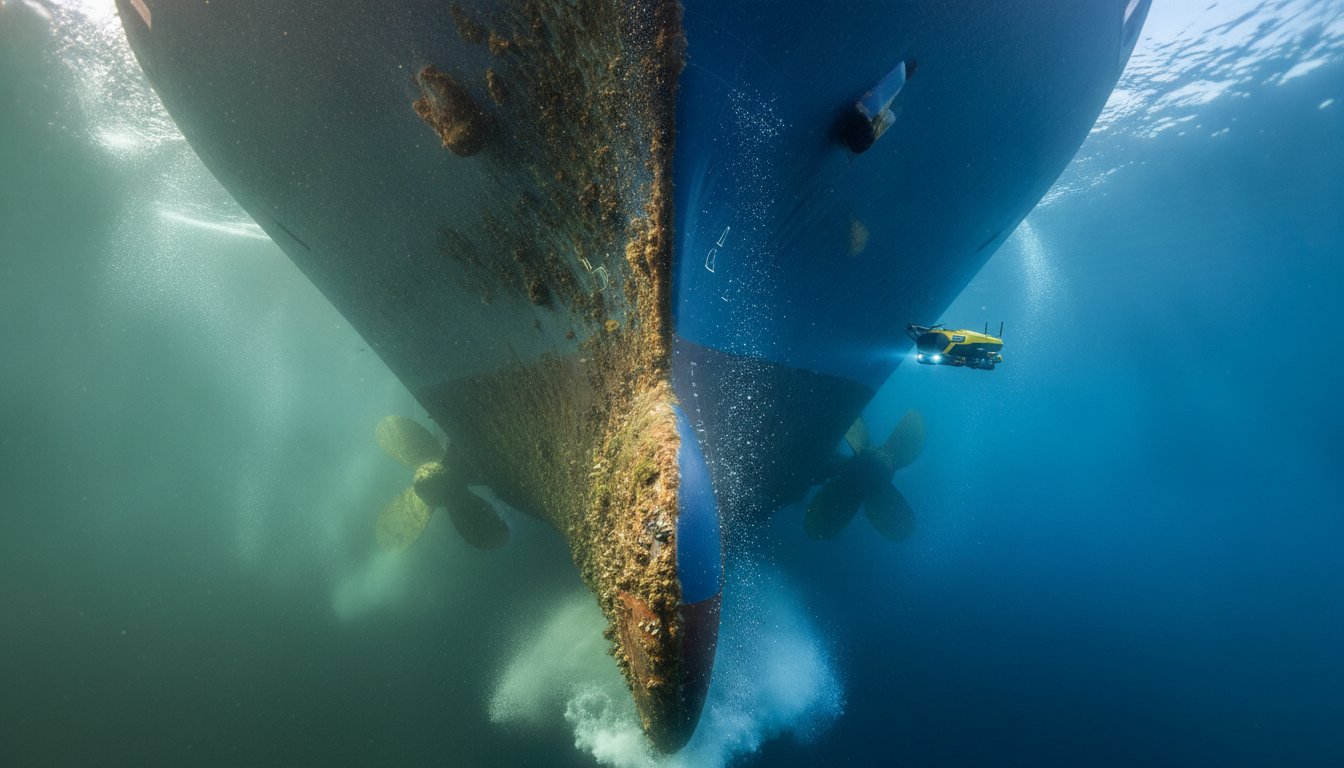
Biofouling Management Plan for Ships: IMO 2023 Compliance & Performance Guide
Did you know that maintaining a micro-smooth hull surface can reduce a vessel's carbon intensity by as much as 22%?…

Advanced Marine Coating for Offshore Support Vessels: Maximizing OSV Efficiency in 2026
A biofilm layer as thin as 0.5 millimeters can increase hydrodynamic drag by up to 20%, a margin that often…

Strategic Marine Coating Supplier in Singapore: Navigating Tropical Biofouling & ROI
Did you know that severe biofouling in the 30°C+ waters of Singapore can increase a vessel's fuel consumption by as…

High Performance Ferry Hull Coatings: Optimizing Efficiency and Durability in 2026
By September 30, 2026, ferry operators must surrender allowances for 70% of their verified emissions under the EU ETS, transforming…

Reducing Operational Expenditure for Ships: The Strategic Role of Surface Engineering in 2026
A biofilm layer as thin as 0.5 millimeters can increase a vessel's hydrodynamic drag by up to 20 percent, which…

Underwater Hull Cleaning Regulations: A Global Compliance Guide for 2026
By 2026, approximately 35% of the global fleet is projected to be operationally inefficient under IMO EEXI and CII requirements…

How to Clean a Foul Release Coating: The Authoritative Maintenance Guide
A biofilm layer as thin as 0.5 millimeters can increase hydrodynamic drag by up to 20 percent, directly impacting your…
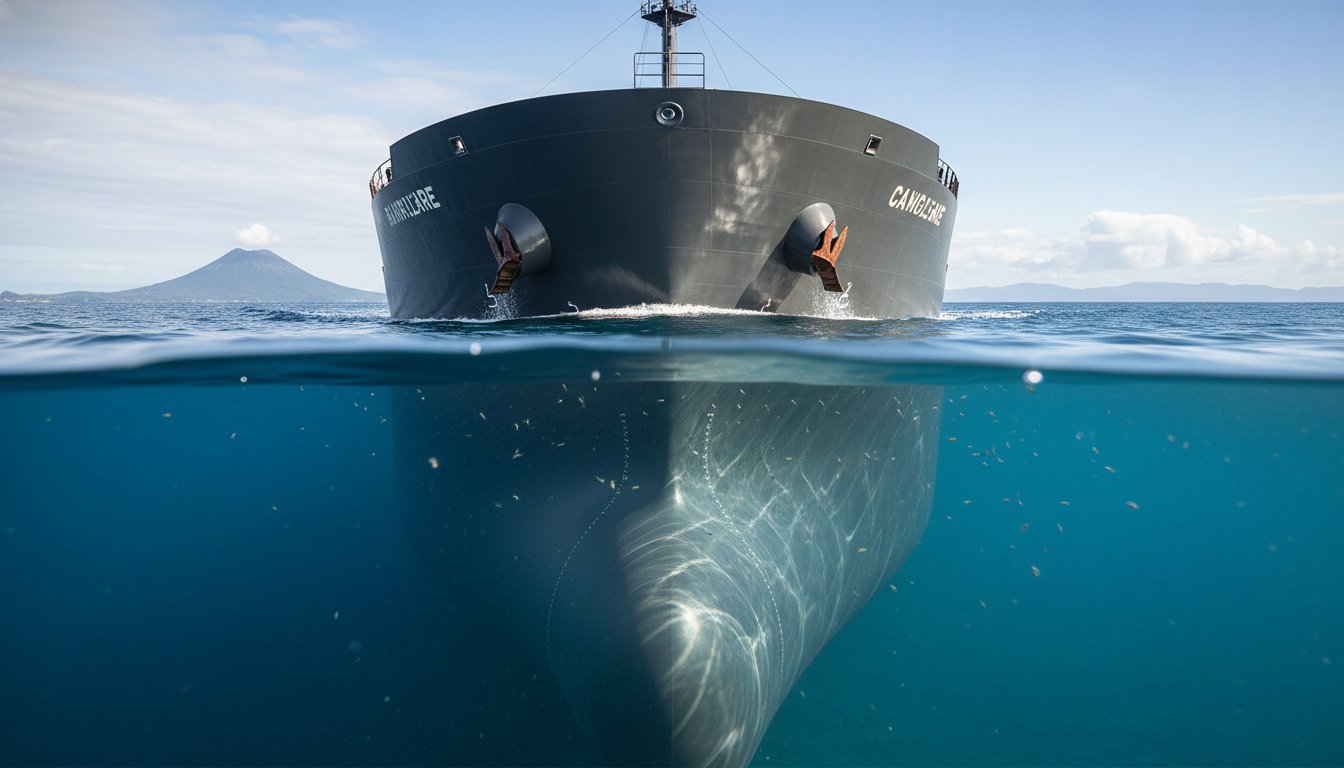
Commercial Vessel Coating Regulations in New Zealand: A 2026 Compliance Guide
Could a single biofouling inspection in Northland cost your operation more than your entire annual maintenance budget? You likely understand…

How to Prepare for a Port State Control Biofouling Inspection: The 2026 Compliance Checklist
A layer of slime as thin as 0.5 mm covering half your hull can increase greenhouse gas emissions by 30%…

Hull Performance Monitoring: A Strategic Guide to Maritime Efficiency in 2026
A mere 0.5 mm layer of slime on your vessel's hull can increase fuel consumption by up to 25%, while…