
Fuel Saving Marine Coatings: Maximizing Vessel Efficiency in 2026
By 2026, the annual carbon intensity reduction factor has escalated to 11% relative to the 2019 baseline, placing unprecedented pressure…

Non-Toxic Marine Hull Coating for Commercial Fleets: The 2026 Performance Standard
The 11% carbon intensity reduction factor mandated for 2026 means that passive compliance measures are no longer sufficient for global…

Advanced Marine Coating for Fiberglass Hulls: The 2026 Performance Guide
Why are you still treating your vessel's hull as a recurring liability when it could be your most profitable performance…
Best Hull Coating for Warm Waters: A 2026 Guide to Performance & Longevity
Relying on increasingly toxic biocides to combat tropical fouling is a strategy of diminishing returns that ignores the fundamental physics…

Calculating Total Cost of Ownership for Marine Paint: A 10-Year Lifecycle Guide
Did you know that high-performance, biocide-free foul release coatings can reduce a vessel's fuel consumption by up to 11.7% while…

The Hidden Problems with Soft Silicone Hull Coatings: A Technical Analysis
The industry's most popular eco-friendly solution might actually be its most expensive liability. While soft silicone foul release systems were...

Anti-Graffiti Coatings: The Professional Guide to Permanent Surface Protection
The United States allocates over $12 billion annually to combat vandalism, yet traditional abrasive cleaning often degrades masonry and metal...

The Science of Anti-Graffiti Coating: Permanent Protection for High-Value Assets
The cycle of spray, scrub, and repeat isn't just a maintenance task; it's a significant, recurring operational liability that degrades…
![Foul Release Coating for Ships: The Definitive Guide to Hydrodynamic Efficiency [2026]](https://seacoat.com/wp-content/uploads/2026/03/Foul-Release-Coating-for-Ships-The-Definitive-Guide-to-Hydrodynamic-Efficiency-2026-Hero-Image.jpg)
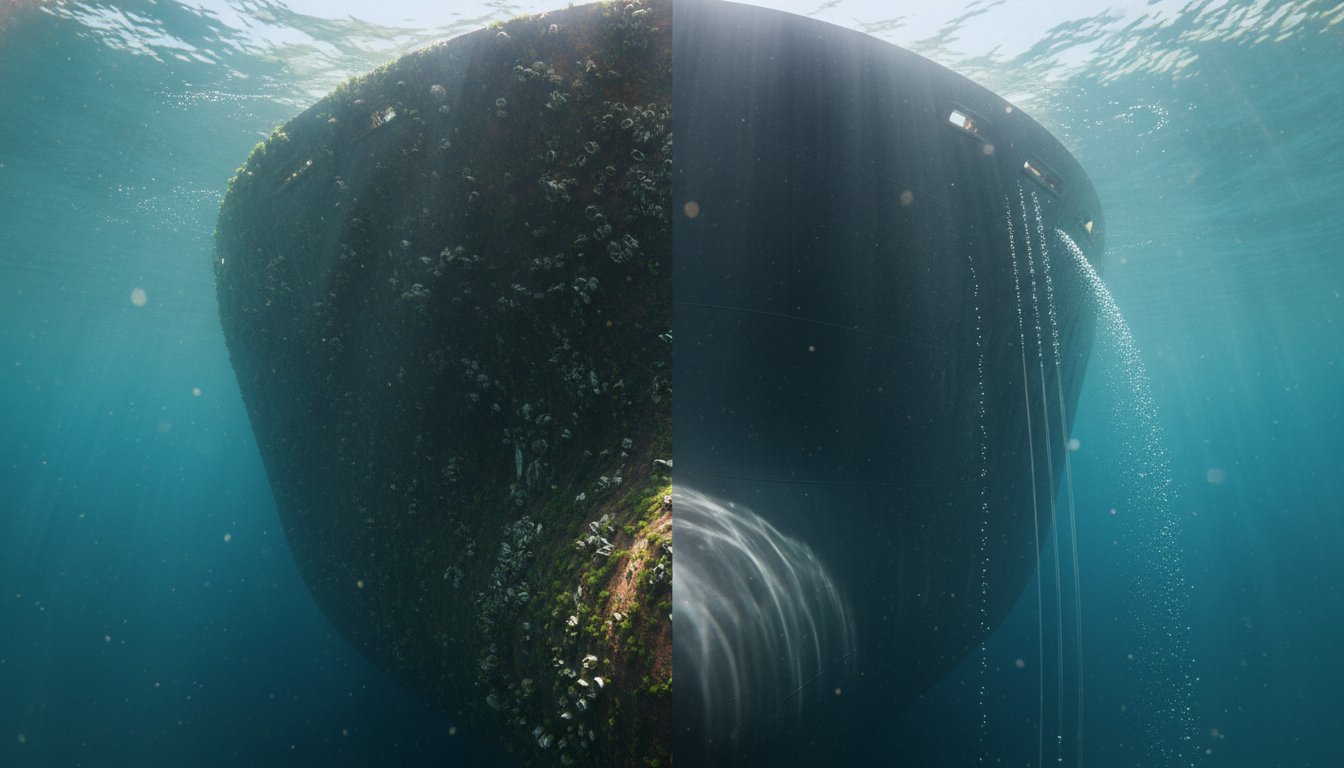
Foul Release Coating for Ships: The Definitive Guide to Hydrodynamic Efficiency [2026]
A 10% increase in hull roughness from biofouling can trigger a fuel consumption penalty of over 15%, a figure that…

The Science of Silane-Siloxane Marine Coatings: A Comprehensive Technical Guide
In an era where operational efficiency and environmental stewardship are no longer optional but essential, the maritime industry faces a…