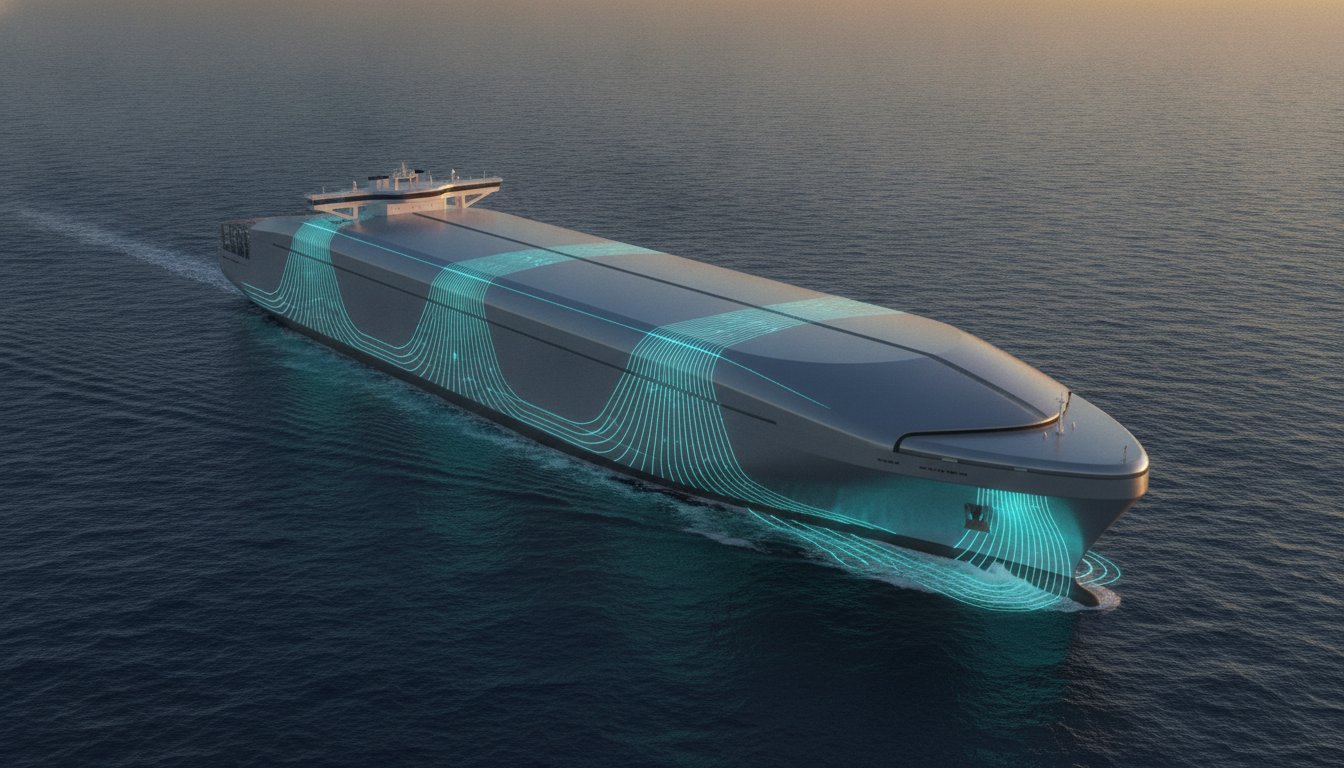
Fuel Efficiency Technology for Ships: A Strategic Guide to Hull Performance in 2026
Can your fleet remain competitive when the 2026 Carbon Intensity Indicator (CII) demands a staggering 11% reduction in emissions while…
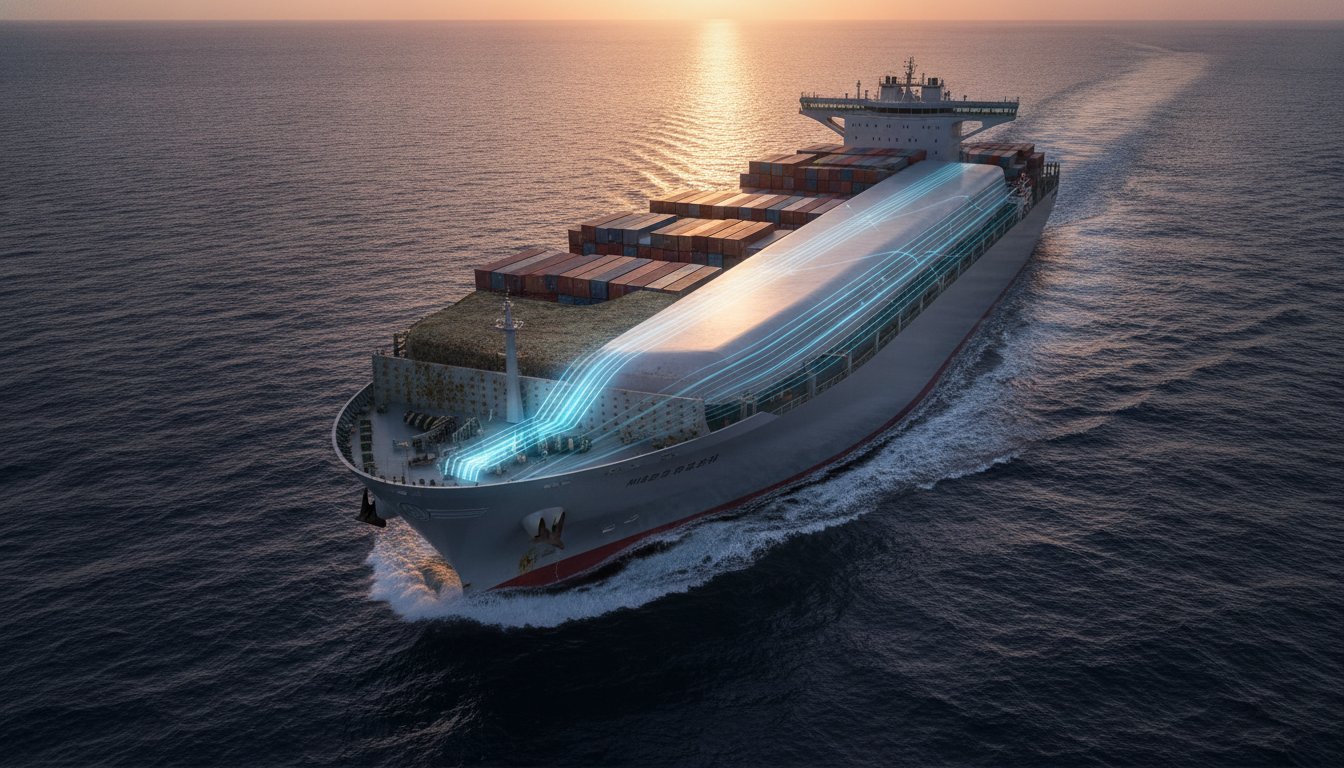
Calculating CII Rating Improvement from Advanced Hull Coatings in 2026
The most stable technical lever for CII compliance through 2030 is not a change in fuel type, but the optimization…
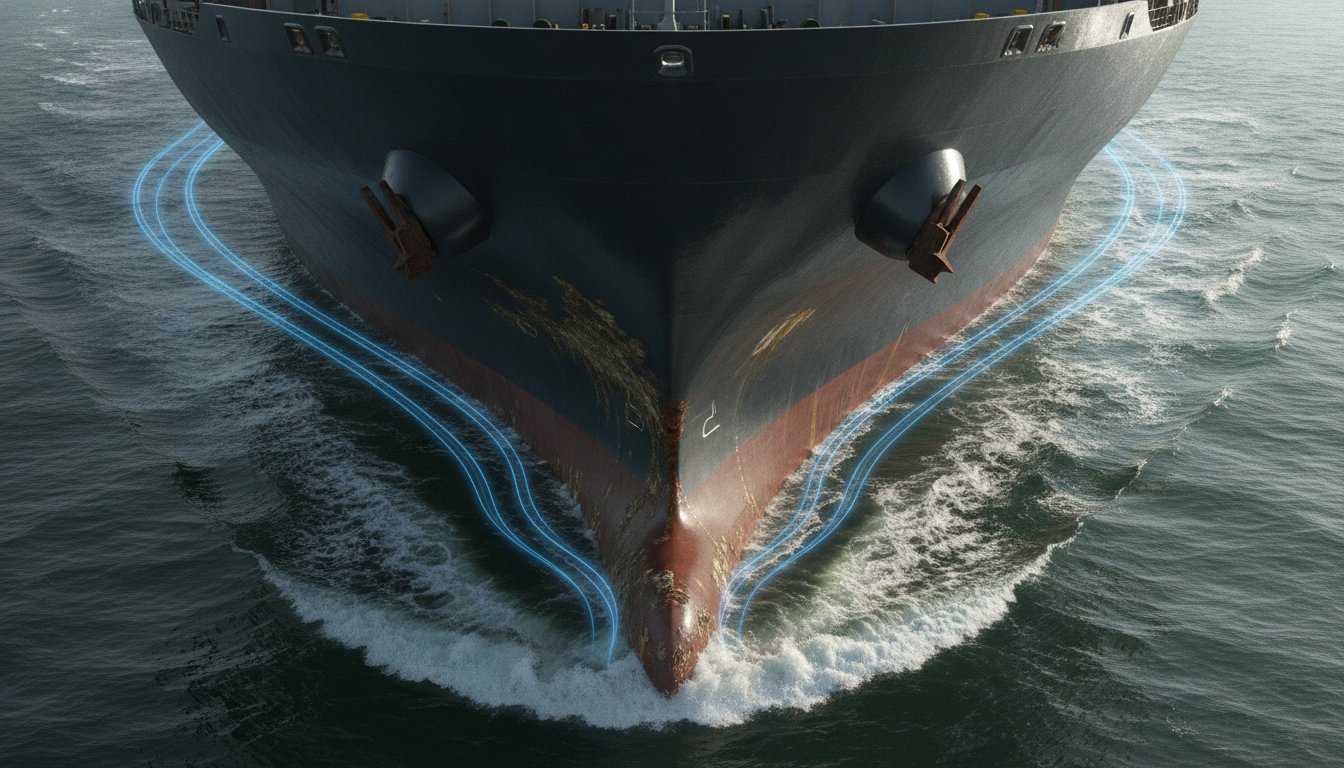
The Critical Impact of Hull Roughness on Vessel Fuel Consumption and Efficiency
Nearly 45% of the global tanker, bulker, and container fleet is currently at risk of falling into the "D" or…

Reducing Operational Expenditure for Ships: The Strategic Role of Surface Engineering in 2026
A biofilm layer as thin as 0.5 millimeters can increase a vessel's hydrodynamic drag by up to 20 percent, which…

The 2026 ESG Reporting Framework for Shipping Companies: A Strategic Reference
Over 80% of the global shipping finance market is now governed by the Poseidon Principles, which means your vessel's carbon…
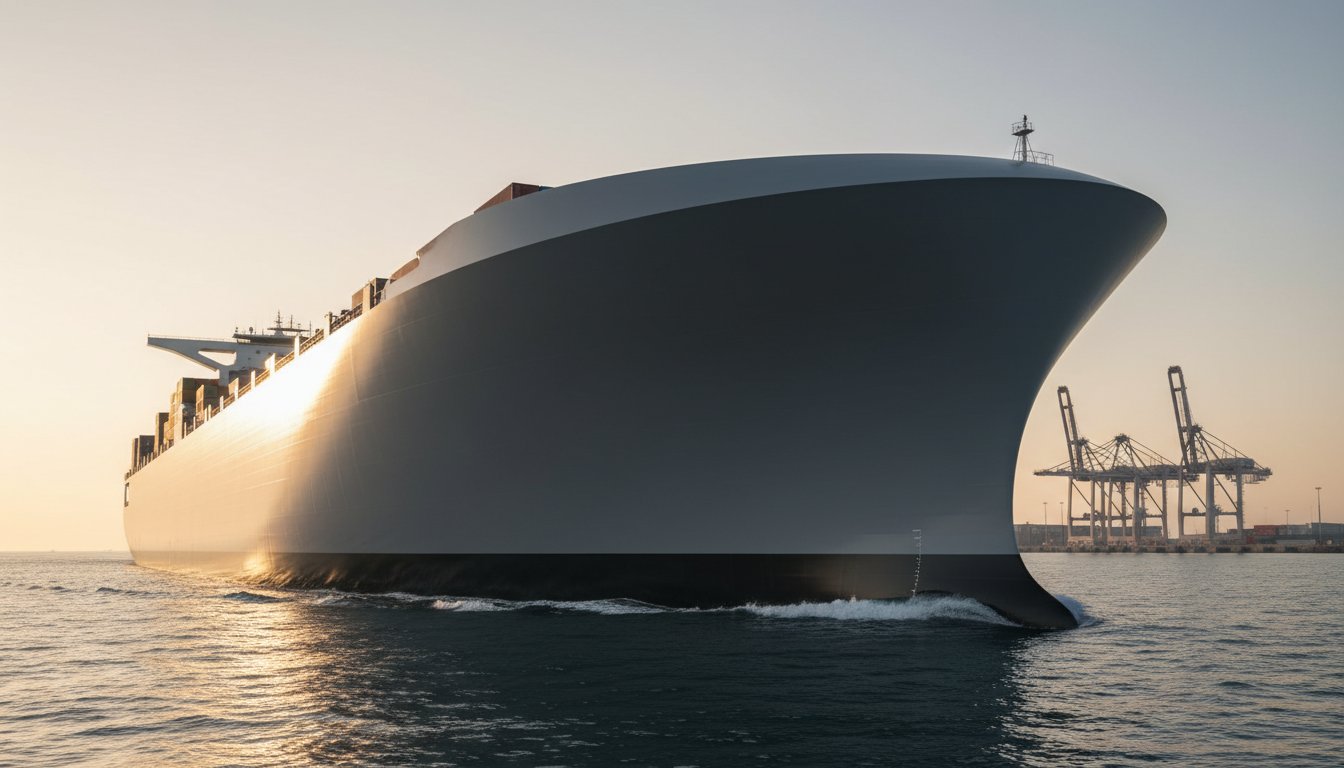
Low Friction Hull Coating Technology: The 2026 Guide to Marine Efficiency
The International Maritime Organization (IMO) reports that hull fouling can escalate a vessel's fuel consumption by as much as 40%…
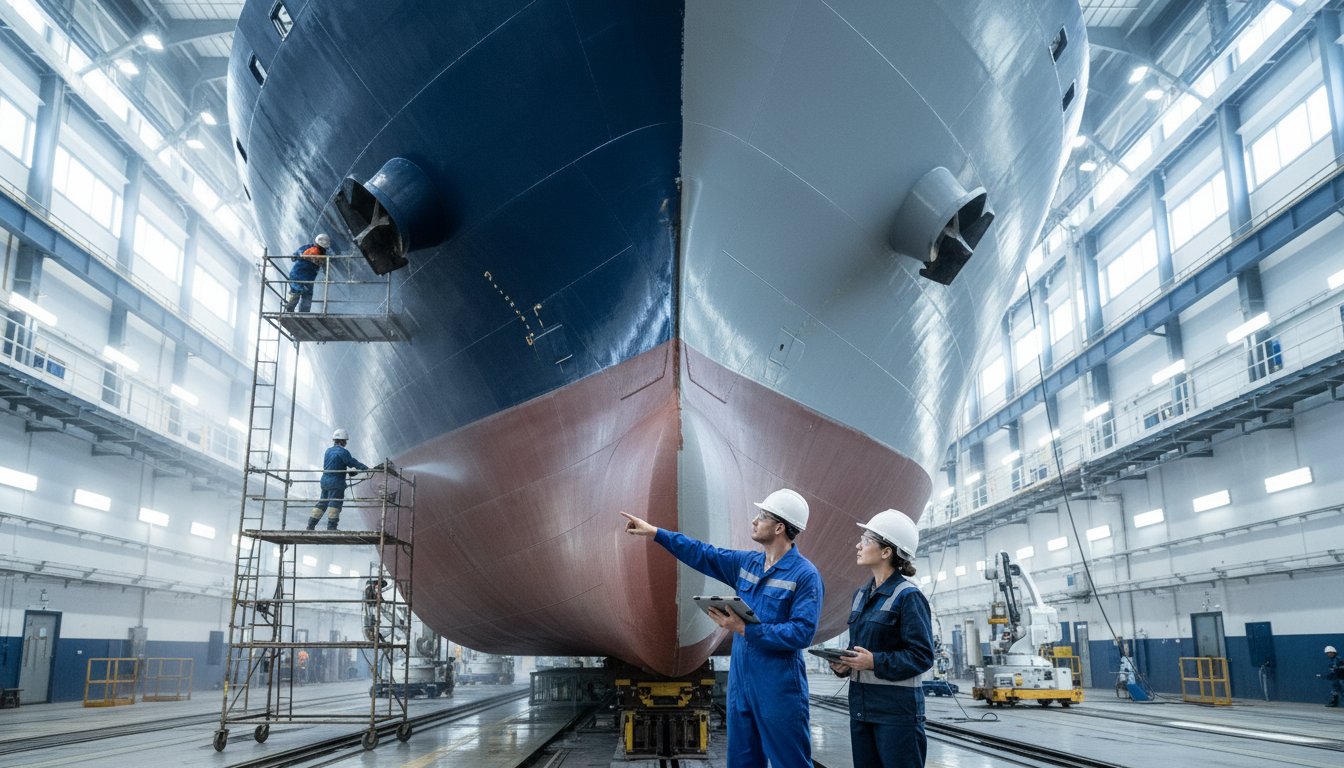
Reducing Dry Dock Time and Costs: A Strategic Guide to Hull Coating Optimization
For a standard merchant vessel, the daily cost of inactivity in a shipyard often exceeds $35,000, excluding the actual repair…
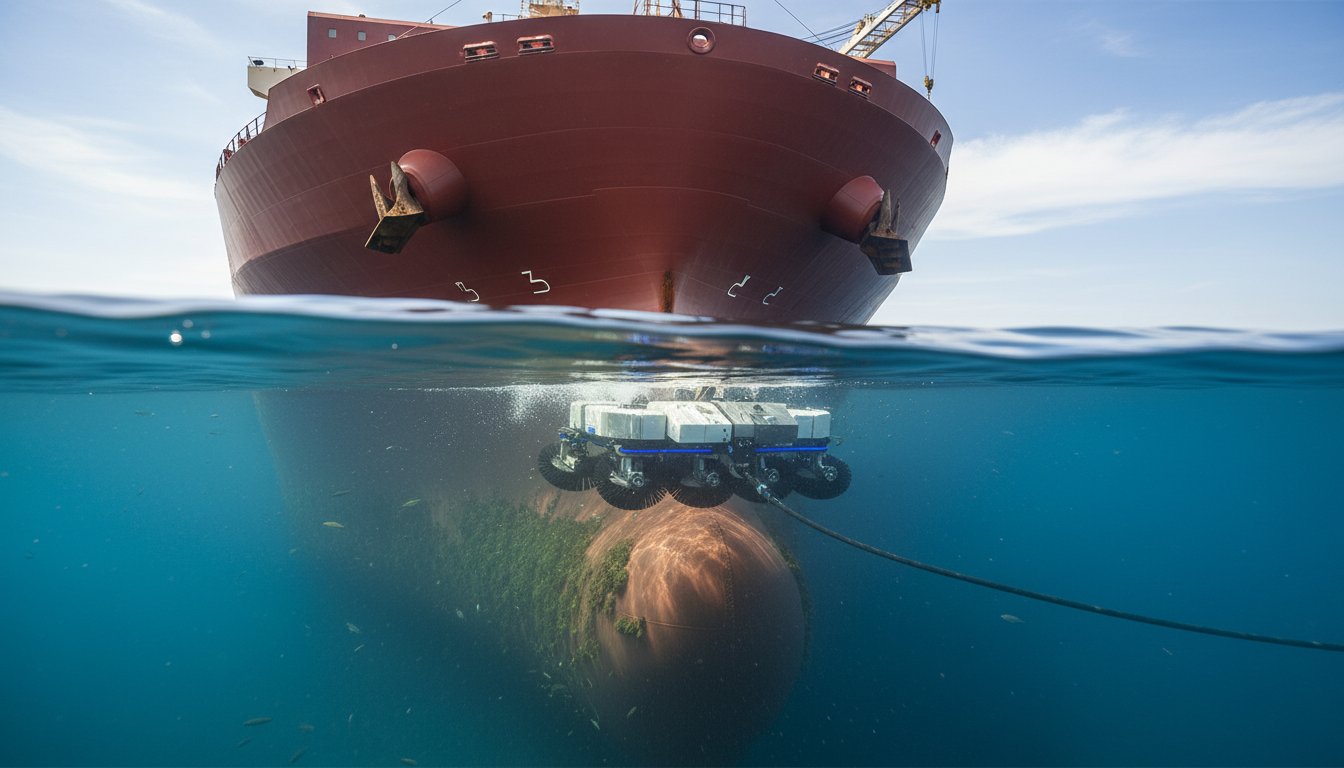
In-Water Hull Cleaning Best Practices: A Guide to Hydrodynamic Maintenance
A slime layer as thin as 0.5 millimeters can trigger a 25% increase in fuel consumption and carbon emissions. For…
![Foul Release Coating for Ships: The Definitive Guide to Hydrodynamic Efficiency [2026]](https://seacoat.com/wp-content/uploads/2026/03/Foul-Release-Coating-for-Ships-The-Definitive-Guide-to-Hydrodynamic-Efficiency-2026-Hero-Image.jpg)
Foul Release Coating for Ships: The Definitive Guide to Hydrodynamic Efficiency [2026]
A 10% increase in hull roughness from biofouling can trigger a fuel consumption penalty of over 15%, a figure that…
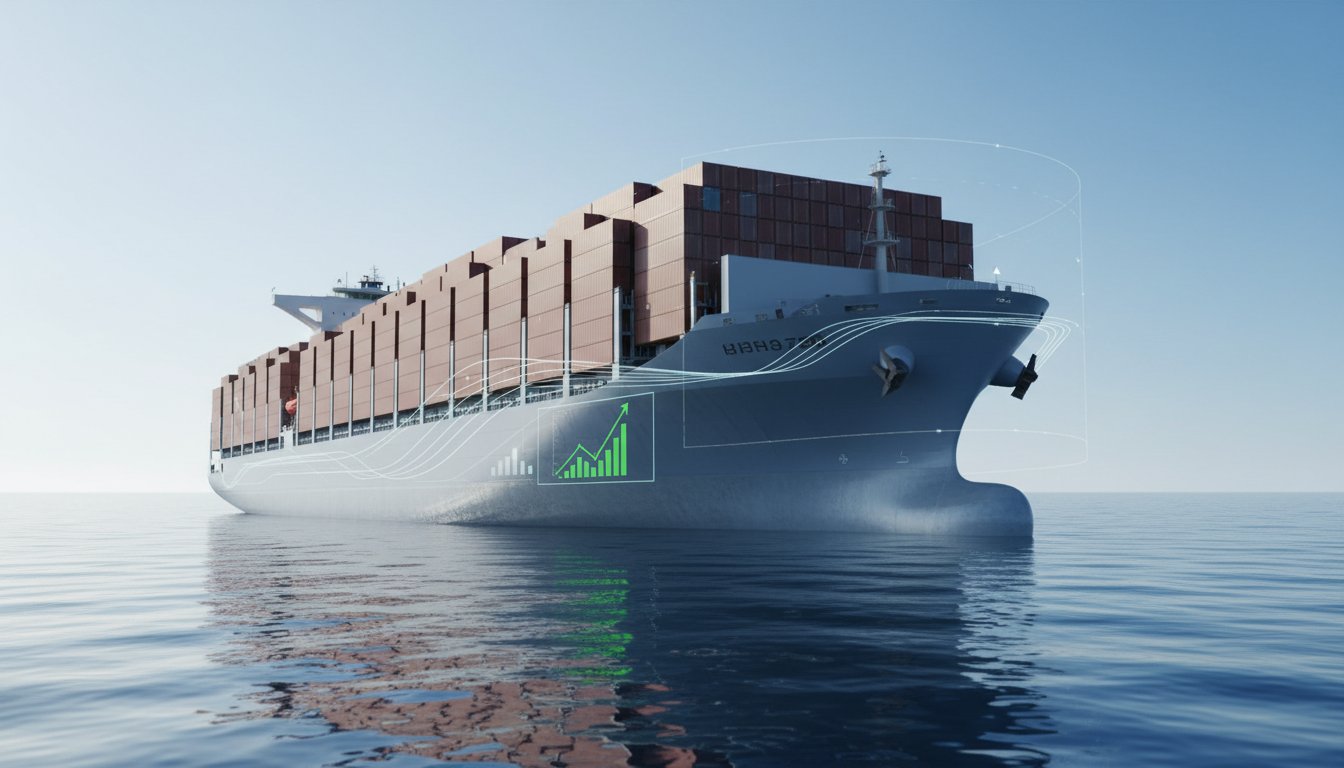
EEXI Compliance Solutions: Optimizing Vessel Efficiency Through Advanced Hydrodynamics
Engine Power Limitation is an incomplete and commercially restrictive answer to the EEXI mandate. For fleet managers and vessel owners,…