
Fuel Efficient Boat Paint: The Science of Reducing Hull Drag in 2026
Could a surface thinner than a human hair be the most effective tool in your fleet's decarbonization strategy? As maritime…
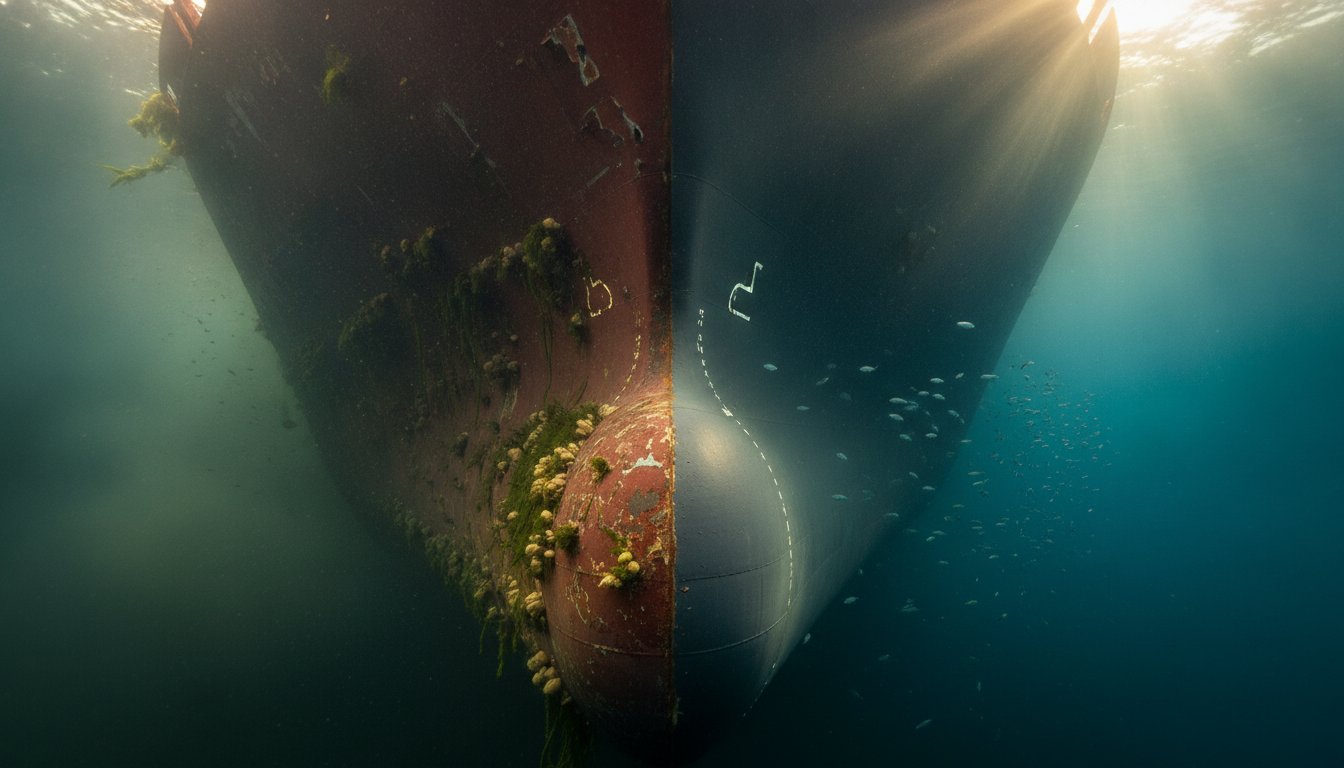
The 2026 Toxic Antifouling Paint Ban: Regulatory Shifts and Non-Toxic Alternatives
The 2026 regulatory environment marks the definitive end of the toxic leaching era, transforming hull coatings from a simple maintenance…

Marine Coatings for Cruise Ships: The 2026 Guide to Performance and Compliance
With Very Low Sulphur Fuel Oil prices reaching $962.55 per metric ton in mid-2026, even a microscopic increase in hull…

EEXI Technical File Preparation: A Strategic Guide to Maritime Compliance in 2026
With an estimated 45% of the global tanker and bulker fleet projected to fall into 'D' or 'E' ratings by…
How to Comply with Ship Emission Regulations in 2026: A Strategic Guide
Nearly 45% of the global tanker, bulker, and container fleets are projected to receive a D or E rating by…
Advanced Marine Coating for Offshore Support Vessels: Maximizing OSV Efficiency in 2026
A biofilm layer as thin as 0.5 millimeters can increase hydrodynamic drag by up to 20%, a margin that often…
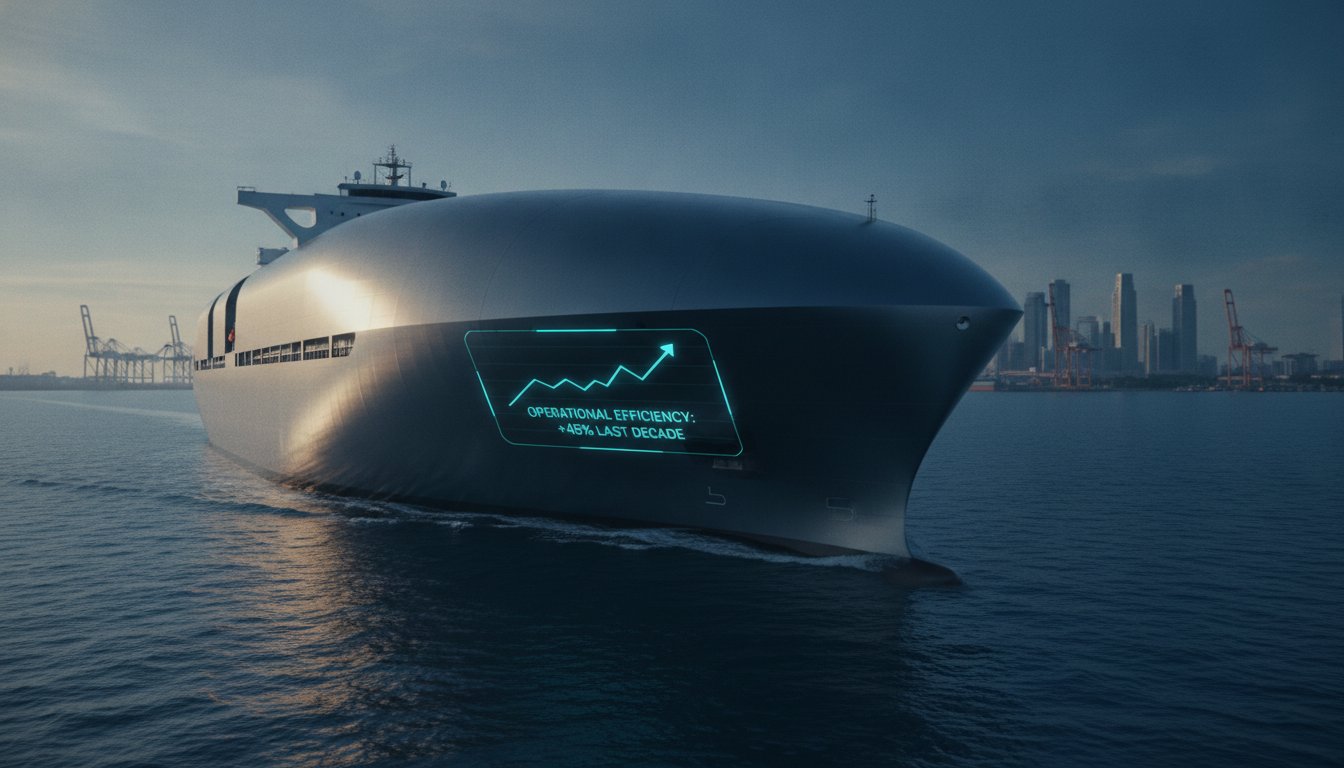
Marine Coating Warranty Comparison: Navigating Performance Guarantees in 2026
If your marine coating warranty covers material adhesion but ignores the rising costs of fuel and carbon intensity ratings, it…

The Financial Risk of Outdated Hull Coatings: A 2026 Strategic Analysis
If your vessel is still relying on traditional biocidal paints, you aren't just managing a maintenance schedule; you're carrying a…

Key Performance Indicators for Marine Coatings: A 2026 Guide to Hull Efficiency
In 2026, the only marine coating KPIs that truly matter are those measuring the sustained mitigation of frictional drag over…

Marine Coating Project Budget Template: A Strategic Guide for 2026 Fleet Maintenance
With the global marine coatings market projected to reach $4.56 billion in 2026, fleet managers are confronting a 20% surge…