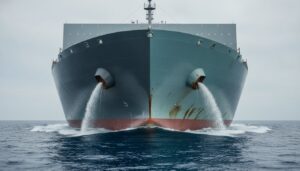
Hard vs. Soft Foul Release Coatings: A 2026 Guide to Marine Hull Efficiency
By September 30, 2026, companies under the EU Emissions Trading System must surrender allowances for 70% of their verified emissions,…
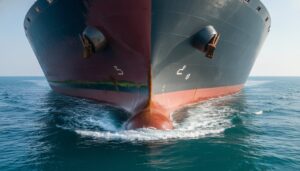
Total Cost of Ownership: Non-Toxic Foul Release Coating vs. Antifouling Paint (2026)
Is your vessel's hull coating a strategic asset or a recurring liability that quietly erodes your margins every two years?…
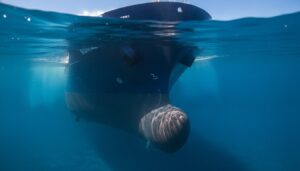
Hard Bottom Paint vs Ablative Antifouling: Choosing for 2026 Vessel Performance
The traditional choice between hard bottom paint vs ablative antifouling has long been framed as a simple matter of vessel…
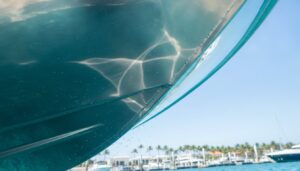
Best Hard Bottom Paint for Aluminum Boats: 2026 Guide
The best hard bottom paint for your aluminum boat isn't a paint at all. If you've been searching for a…

How Often to Bottom Paint a Boat? The 2026 Maintenance Guide
What if the annual haul-out was no longer a mandatory ritual of vessel ownership? For decades, the maritime industry accepted…
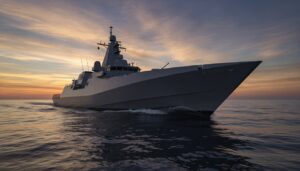
Military Ship Hull Coatings: Performance, Durability, and Compliance in 2026
With Very Low Sulphur Fuel Oil prices reaching $962.55 per metric ton in May 2026, the hydrodynamic efficiency of military…