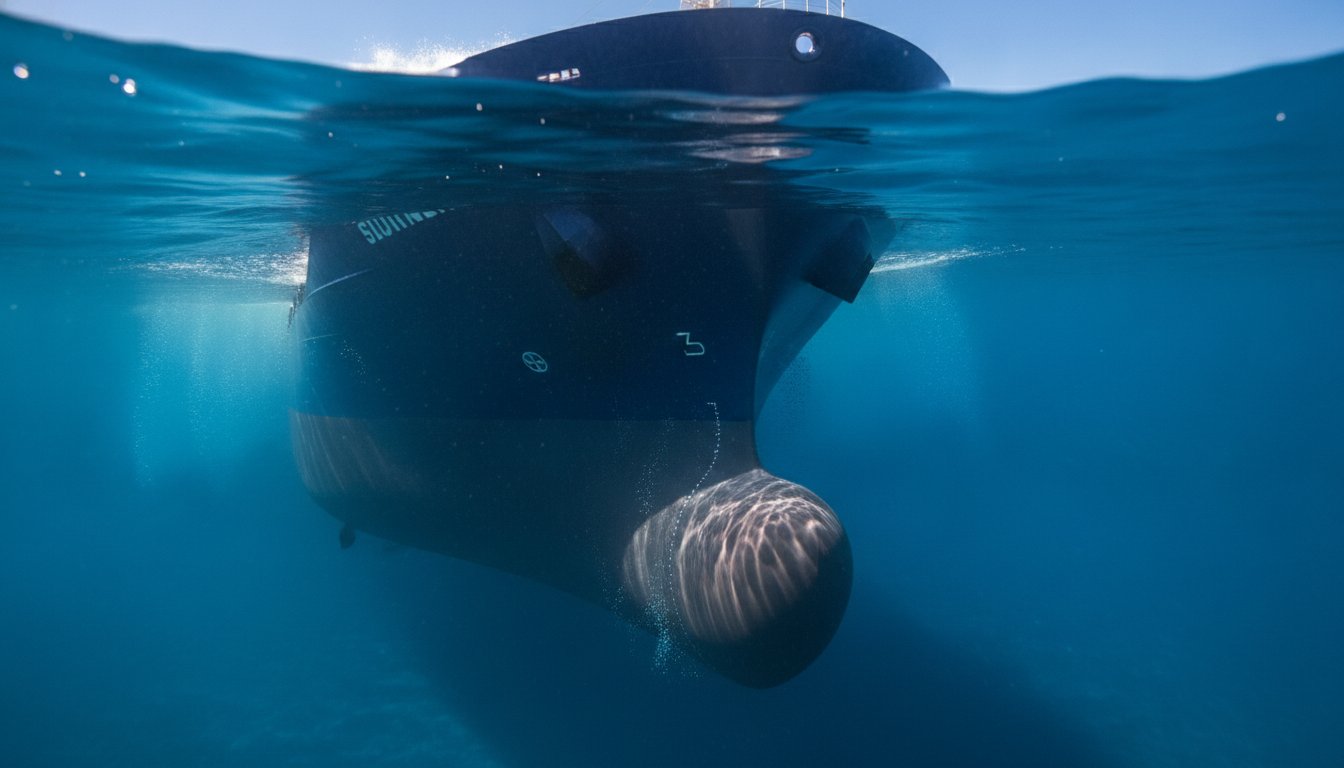
The traditional choice between hard bottom paint vs ablative antifouling has long been framed as a simple matter of vessel speed and maintenance frequency. However, sticking to these biocidal standards might be the most expensive mistake a fleet manager or owner makes in 2026. As environmental regulations tighten, such as the March 2026 copper discharge deadlines in Marina del Rey and new EU directives targeting environmental claims, the legacy of leaching toxins is moving from a standard practice to a significant operational risk. You have likely felt the impact of rising fuel costs caused by hull drag or the heavy financial burden of stripping years of paint buildup during dry-docking.
It is clear that maintaining the status quo is no longer a viable strategy for long-term efficiency. This article explores the critical differences between traditional antifouling methods and modern foul release technology to help you maximize your vessel’s speed while ensuring regulatory compliance. We will examine the material science behind these coatings and provide a data-driven look at how transitioning to biocide-free, silane-siloxane systems can deliver an extended service life of five years or more and measurable returns on investment through fuel savings.
Key Takeaways
- Understand the fundamental operational differences between hard modified epoxies and sacrificial ablative layers to identify why traditional methods are reaching their performance limits.
- Analyze how the standard comparison of hard bottom paint vs ablative antifouling often overlooks the hidden costs of surface friction and drag that increase as biocidal films age.
- Compare lifecycle data showing how modern foul release systems provide a 5 to 10 year service window, significantly outperforming the 1 to 2 year cycle of conventional paints.
- Identify how transitioning to biocide-free Silane-Siloxane technology future-proofs your vessel against tightening 2026 environmental regulations while maintaining hull durability.
- Discover how high-performance foul release systems like Sea-Speed V 10 X Ultra utilize hard-film technology to achieve permanent speed gains and reduced fuel consumption.
The Traditional Choice: How Hard and Ablative Paints Work
The historical landscape of marine protection has been dominated by two distinct chemical delivery systems. When evaluating hard bottom paint vs ablative antifouling, the choice traditionally depended on a vessel’s operational profile; specifically, its speed and frequency of use. Both categories fall under the broad umbrella of Anti-fouling paint, utilizing biocides like cuprous oxide to repel marine growth. However, as we approach 2026, the industry is witnessing a decisive pivot. Regulatory bodies are increasingly scrutinizing heavy metal leaching. Specific compliance deadlines, such as the March 26, 2026, copper discharge limits in Marina del Rey, signal a broader shift toward sustainable material science and biocide-free alternatives.
The fundamental mechanism for both hard and ablative paints is biocide dependency. These coatings don’t prevent growth through surface tension or mechanical resistance; instead, they rely on the constant release of toxins into the immediate aquatic environment. While effective in the short term, this chemical leaching creates a finite window of protection that is inherently linked to the degradation of the coating itself or the depletion of its active ingredients.
Hard Bottom Paint: Durability vs. Biocide Depletion
Hard modified epoxy coatings create a tough, non-wearing surface designed to withstand the high-velocity friction of fast-moving vessels. While the physical film remains intact, the biocide leaches out through a microscopic porous structure. This creates a phenomenon known as “ghosting.” A hull can look perfectly protected by a full coat of paint, yet the active chemical reserves are entirely depleted, leaving the vessel vulnerable to rapid colonization. Owners of high-speed vessels often prefer this for its resistance to frequent underwater scrubbing. The primary drawback is cumulative. As new layers are applied over old ones, the coating thickens and eventually cracks or peels. This necessitates expensive mechanical stripping or soda blasting to restore the hull’s hydrodynamic profile.
Ablative Antifouling: The Sacrificial Cycle
Unlike hard coatings, ablative bottom paint functions through a self-polishing mechanism. These coatings are engineered to wear away at a controlled rate, constantly exposing a fresh layer of biocides as the vessel moves through the water. This sacrificial cycle prevents the heavy paint buildup associated with hard epoxies, making it a common choice for seasonal cruisers. However, this technology has inherent limitations. If a vessel remains stationary for extended periods or operates in high-current environments, the resin may wear unevenly or fail to release biocides effectively. This dependency on mechanical wear means that protection is often inconsistent, leading to premature fouling in static conditions where the “polishing” action never occurs.
The Hidden Costs of Biocides and Surface Friction
While the initial purchase price of a coating often dictates procurement decisions, the true cost of ownership is hidden within the fluid dynamics of the hull. Every coating, whether you’re evaluating hard bottom paint vs ablative antifouling, possesses a specific surface profile that dictates its hydrodynamic efficiency. Traditional biocidal paints are inherently porous and textured to facilitate chemical leaching. Over time, this texture degrades as biocides are spent. Hard paints accumulate brittle layers that eventually crack, while ablative paints often wear unevenly, creating “islands” of paint. This degradation introduces significant surface roughness, which acts as a parasitic drain on vessel performance and fuel economy.
The resulting turbulence in the boundary layer forces the propulsion system to work harder to maintain speed. This isn’t just a minor maintenance issue; it’s a mechanical failure of the coating’s primary purpose. As the hull surface loses its integrity, the increase in drag becomes a permanent operational tax that compounds with every nautical mile. Transitioning to a system that prioritizes a stable, low-friction coefficient is the only way to eliminate these recurring losses.
Frictional Drag and Fuel Efficiency
Hull roughness is the primary driver of operational inefficiency. The physical profile of the hull directly influences the thickness of the boundary layer, increasing the energy required to move the vessel through water. Technical data indicates that a 100-micron increase in average hull roughness can raise fuel consumption by approximately 6%. There’s a distinct difference between a “smooth” traditional paint and a “slick” foul release surface. Traditional paints may feel smooth to the touch, but they lack the low surface energy required to minimize frictional drag at a molecular level. Advanced coatings focus on reducing the skin friction coefficient, turning the hull into a performance-enhancing asset.
Regulatory Pressure and Environmental Compliance
Beyond the mechanical costs of drag, the maritime industry faces an unprecedented regulatory landscape. Heavy metal leaching is no longer just an ecological concern; it’s a legal liability. According to Washington State’s 2024 Antifouling Paint Update, the scrutiny on copper-based products is intensifying as authorities evaluate the long-term toxicity of biocides in sensitive basins. For operators, selecting environmental marine coatings is now a strategic necessity for maintaining EEXI and CII ratings. Biocide-free systems are the only certain path to ensuring long-term port access as more jurisdictions move toward zero-discharge mandates by 2026. Implementing a high-efficiency foul release system allows managers to align operational efficiency with global sustainability targets without compromising on protection.
Performance Metrics: Durability, Speed, and Maintenance
Quantifying the operational differences between hard bottom paint vs ablative antifouling and modern foul release requires a shift from short-term maintenance thinking to multi-year asset management. While traditional coatings provide a basic barrier, their efficacy is inherently tied to a rapid decay curve. Most biocidal paints offer a functional service life of 12 to 24 months before the leaching rate falls below the threshold required to repel larvae. In contrast, advanced foul release systems are engineered for a 5 to 10 year window. This longevity is achieved because the protection is mechanical, not chemical; the surface doesn’t “run out” of active ingredients because it doesn’t rely on them.
The maintenance profile also differs significantly. Traditional paints require aggressive underwater scrubbing, which often releases plumes of biocides into the water and prematurely wears down the coating. Ablative paints are particularly susceptible to this, as every cleaning cycle removes a layer of the sacrificial resin. Foul release surfaces utilize low surface energy to prevent permanent adhesion. In many cases, these hulls “self-clean” once the vessel reaches a specific speed, typically around 10 to 12 knots. Any remaining biofilm is easily removed with a soft cloth or specialized wipe-down, preserving the film thickness and the hull’s integrity.
Service Life and ROI Calculations
The financial impact of coating selection becomes clear when analyzing the 10-year lifecycle of a vessel. A biennial repainting schedule involves not just the cost of materials, but also recurring haul-out fees, labor, and lost operational time. Over a decade, the cumulative cost of surface preparation and the eventual necessity of stripping back multiple layers of brittle, cracked paint can be staggering. Utilizing a comprehensive boat hull paint ROI framework reveals that a single high-performance application can eliminate four to five dry-docking cycles. This strategic approach transforms the coating from an annual expense into a long-term capital asset.
Speed and Maneuverability Benefits
Slickness outperforms toxicity for top-end speed every time. Because foul release coatings create a non-polar, hydrophobic barrier, they significantly reduce the skin friction coefficient compared to the porous texture of traditional paints. This reduction in drag allows for higher speeds at the same RPM or, conversely, maintaining cruising speed at a lower engine load. The results are tangible. Racing yachts report tighter maneuvers and better acceleration, while military interceptors achieve the critical velocity needed for mission success. Reducing engine strain also translates to lower exhaust temperatures and decreased wear on internal components, extending the life of the entire propulsion system.
Moving Beyond Antifouling: The Rise of Foul Release
The debate between hard bottom paint vs ablative antifouling often ignores the fundamental shift occurring in material science. While traditional coatings rely on chemical depletion, foul release technology represents a transition to mechanical resistance. This isn’t a temporary fix; it’s a strategic asset for vessel management. Unlike biocidal paints that attempt to poison marine organisms, foul release systems focus on surface energy. This “non-stick” property is a purely mechanical solution, relying on physics rather than chemical toxicity to maintain a clean hull. By creating a surface that is physically too slick for biological attachment, these coatings bypass the need for toxic additives entirely.
Many operators confuse foul release with soft silicone coatings, which are notorious for their fragility and susceptibility to tearing during cleaning or grounding. Modern hard-film foul release systems offer a superior alternative. They provide the impact resistance of a hard epoxy without the porous structure required for biocide leaching. This results in a permanent, non-sacrificial barrier that maintains its integrity over years of service. It’s a solution that prioritizes both physical durability and ecological safety as inseparable goals.
The Science of Silane-Siloxane
Molecular bonding is the cornerstone of this performance. Unlike traditional resins that sit on the surface, silane-siloxane technology creates a cross-linked matrix that becomes part of the substrate’s profile. This creates a non-porous, hydrophobic shield that is impenetrable to moisture and biological “glue.” This specific molecular structure is what makes it the premier choice for antifouling boat paint upgrades in 2026. Silane-siloxane prevents bio-adhesion at the microscopic level by reducing surface energy to a point where proteins cannot establish a foothold.
Durability in Extreme Conditions
Hard-film foul release systems are engineered for the rigors of heavy industry. They withstand high-pressure washing, accidental groundings, and the abrasive nature of silt-laden waters. This resilience is critical for vessels operating in diverse environments, from high-salinity tropical basins to brackish estuaries. These coatings are also particularly effective for aluminum boats because they are galvanically neutral. They don’t contain the copper or heavy metals that trigger electrolysis and corrosion in aluminum hulls. This chemical stability ensures that the coating protects the metal from the environment without introducing new electrochemical risks.
If you’re ready to move beyond the limitations of traditional biocides, exploring a proprietary silane-siloxane foul release system is the next logical step for your fleet.
Seacoat Sea-Speed: The Scientific Alternative
The historical debate between hard bottom paint vs ablative antifouling often overlooks a critical third path that has been refined over two decades. Sea-Speed V 10 X Ultra is the premier hard-film foul release system designed to replace outdated biocidal methods. Since its introduction in 2001, this proprietary silane-siloxane technology has established a formidable pedigree in military and commercial sectors. Unlike traditional coatings that typically fail within eighteen months, Sea-Speed offers a documented service life of up to 10 years. This longevity is paired with a non-toxic, VOC-free composition that meets the most stringent global environmental standards without sacrificing physical durability.
Maintenance cycles are fundamentally altered with this system. The recurring labor and material costs of seasonal repainting are replaced by a permanent surface that only requires light cleaning. Because the film doesn’t leach biocides or polish away, the hull’s hydrodynamic profile remains stable year after year. This stability ensures that the fuel savings achieved on day one are maintained throughout the coating’s entire lifecycle. It’s a strategic shift from constant repair to long-term performance management.
Vessel-Specific Applications
Vessel requirements vary, and the Sea-Speed line provides specialized solutions for different hull types. Sea-Speed V 10 X Ultra is the standard for commercial fleets and military craft where maximum durability and drag reduction are paramount. For racing hulls and performance yachts where aesthetics and extreme slickness are required, Sea-Speed V 10 X Ultra Clear offers a high-gloss finish that minimizes boundary layer turbulence. To ensure optimal adhesion and long-term durability, we utilize specialized primer systems like Seapoxy 73. This creates a high-strength bond between the hull substrate and the foul release topcoat, preventing delamination even in high-stress environments.
Transitioning to a Foul Release System
Moving away from the cycle of hard bottom paint vs ablative antifouling requires a deliberate transition process. The first step involves the complete removal of existing toxic layers to expose a clean substrate. This one-time investment in surface preparation pays dividends by eliminating the need for future soda blasting or heavy mechanical stripping. 2026 is the critical year for this upgrade. With the March 26, 2026, copper discharge deadline in Marina del Rey and new EU directives regarding environmental claims taking effect, operators must adopt verifiable, biocide-free technology to remain compliant. You can optimize your vessel’s performance with Sea-Speed V 10 X Ultra and secure your operational future today.
Future-Proofing Your Vessel for the 2026 Operational Landscape
The decision-making process regarding hard bottom paint vs ablative antifouling is no longer just about seasonal maintenance; it’s a strategic choice for long-term fleet survival. As explored, traditional biocidal coatings face a tightening regulatory bottleneck and inherent mechanical failures that drive up fuel consumption through increased surface roughness. Moving to a hard-film foul release system allows you to decouple vessel performance from toxic leaching, ensuring that your assets remain both efficient and compliant in sensitive waters. By implementing a non-toxic, 100% biocide-free solution, you can achieve documented fuel savings of up to 10% while extending dry-docking intervals to a ten-year cycle.
This technology is already the standard for military and commercial fleets worldwide that prioritize operational reliability and environmental stewardship. It’s time to move beyond the limitations of sacrificial coatings and invest in a permanent surface that enhances your vessel’s speed and efficiency. Upgrade to Sea-Speed V 10 X Ultra for superior hull performance and lead the transition toward a more sustainable maritime industry. Your commitment to innovation today will define your operational success for the decade to come.
Frequently Asked Questions
Is hard bottom paint better than ablative for boats that stay in the water?
Hard modified epoxies are typically more durable for hulls that remain submerged for long periods, provided they receive regular underwater cleaning. However, the choice between hard bottom paint vs ablative antifouling for stationary vessels often ignores that both rely on finite chemical leaching. Once the biocides are exhausted, the hull becomes vulnerable regardless of the paint’s physical hardness, making modern foul release a more reliable long-term solution.
Can I apply foul release coating over my existing ablative paint?
No; foul release systems like Sea-Speed V 10 X Ultra require direct adhesion to a clean, stable substrate or a compatible primer like Seapoxy 73. Applying a permanent hard-film coating over a sacrificial, self-polishing layer would lead to catastrophic delamination as the underlying paint wears away. A complete mechanical removal of old toxic layers is necessary to ensure the structural integrity and performance of the new system.
How much fuel can I actually save by switching to a low-friction coating?
Documented operational data indicates that switching to a high-efficiency silane-siloxane coating can reduce fuel consumption by up to 10% compared to traditional biocidal paints. This efficiency is gained by minimizing the skin friction coefficient and preventing the accumulation of surface roughness. These savings are sustained over the entire service life of the coating because the surface doesn’t degrade or crack like conventional alternatives.
Are non-toxic marine coatings as effective as traditional copper paints?
Modern foul release technology is often more effective than traditional copper paints because its performance doesn’t rely on a chemical decay curve. While copper-based products lose potency as the biocide leaches out, non-toxic systems maintain a permanent mechanical barrier. This provides consistent protection against bio-attachment throughout a multi-year service window without the environmental liability and regulatory risks associated with heavy metal discharge.
What happens if a foul release coating gets scratched or damaged?
Hard-film systems are engineered for high impact resistance, but localized damage can be repaired with specific touch-up protocols. Unlike soft silicones that may peel or tear extensively, a silane-siloxane coating maintains its bond around the affected area. Minor abrasions don’t compromise the entire hull’s protection, and the non-porous nature of the film prevents moisture from migrating under the coating or causing subsurface corrosion.
How often does a Sea-Speed V 10 X Ultra coating need to be replaced?
Sea-Speed V 10 X Ultra is designed for an extended service life of up to 10 years, significantly outlasting the 12 to 24 month cycle of traditional paints. This longevity is a result of its non-depleting chemical structure, which doesn’t wear away or lose its “non-stick” properties over time. This extended window dramatically reduces the frequency of dry-docking and long-term maintenance costs for commercial and private operators alike.
Do I need special equipment to apply silane-siloxane coatings?
Silane-siloxane coatings can be applied using standard industrial airless spray equipment, provided the environmental conditions and surface preparation meet technical specifications. While the tools are familiar to professional applicators, the precision of the film thickness is critical for maximizing hydrodynamic efficiency. Following the specific mixing and application ratios ensures the molecular cross-linking required for a permanent, hard-film finish that resists fouling.
Is foul release paint suitable for aluminum hulls?
Foul release coatings are ideal for aluminum hulls because they are 100% biocide-free and contain no heavy metals that trigger galvanic corrosion. Unlike traditional copper-based paints that require thick barrier coats to prevent electrolysis, silane-siloxane systems are galvanically neutral. This provides a high level of protection and performance without the risk of compromising the aluminum’s structural integrity or requiring complex, multi-layered insulation primers.