
Environmental Impact of Antifouling Paint: A 2026 Scientific Review
Recent 2026 longitudinal studies reveal that traditional biocidal coatings release over 50,000 tons of heavy metals into global waterways annually,...

How Does Foul Release Coating Work? The Science of Hydrodynamic Efficiency
The International Maritime Organization reports that heavy biofouling can increase a ship's fuel consumption by as much as 40 percent.…
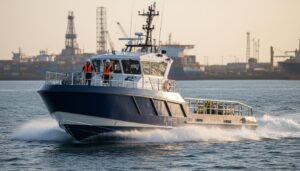
Best Coating for Workboats: A Guide to High-Durability Foul Release Systems
Did you know that a biofilm layer as thin as 0.5 millimeters can increase hydrodynamic drag by up to 20%,…
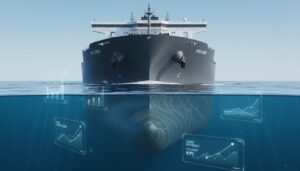
Measuring Fuel Savings from Hull Coating: A Technical Guide to Vessel Efficiency
For a typical 300,000 DWT VLCC, even a 10-micron increase in average hull roughness results in a 1% rise in…
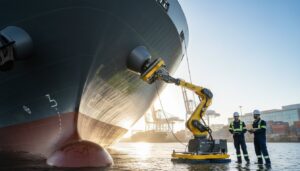
Maintaining a Hard Film Hull Coating: The Professional Guide to Long-Term Hull Performance
A hull coating that requires replacement every 36 months is no longer an industry standard; it's a strategic failure in…
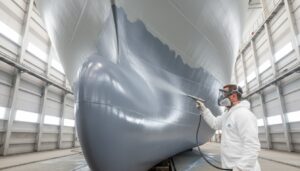
The Professional Hull Coating Application Process: A Guide to Hydrodynamic Optimization
Could a microscopic deviation in surface texture be costing your fleet thousands of metric tons in excess fuel annually? According…