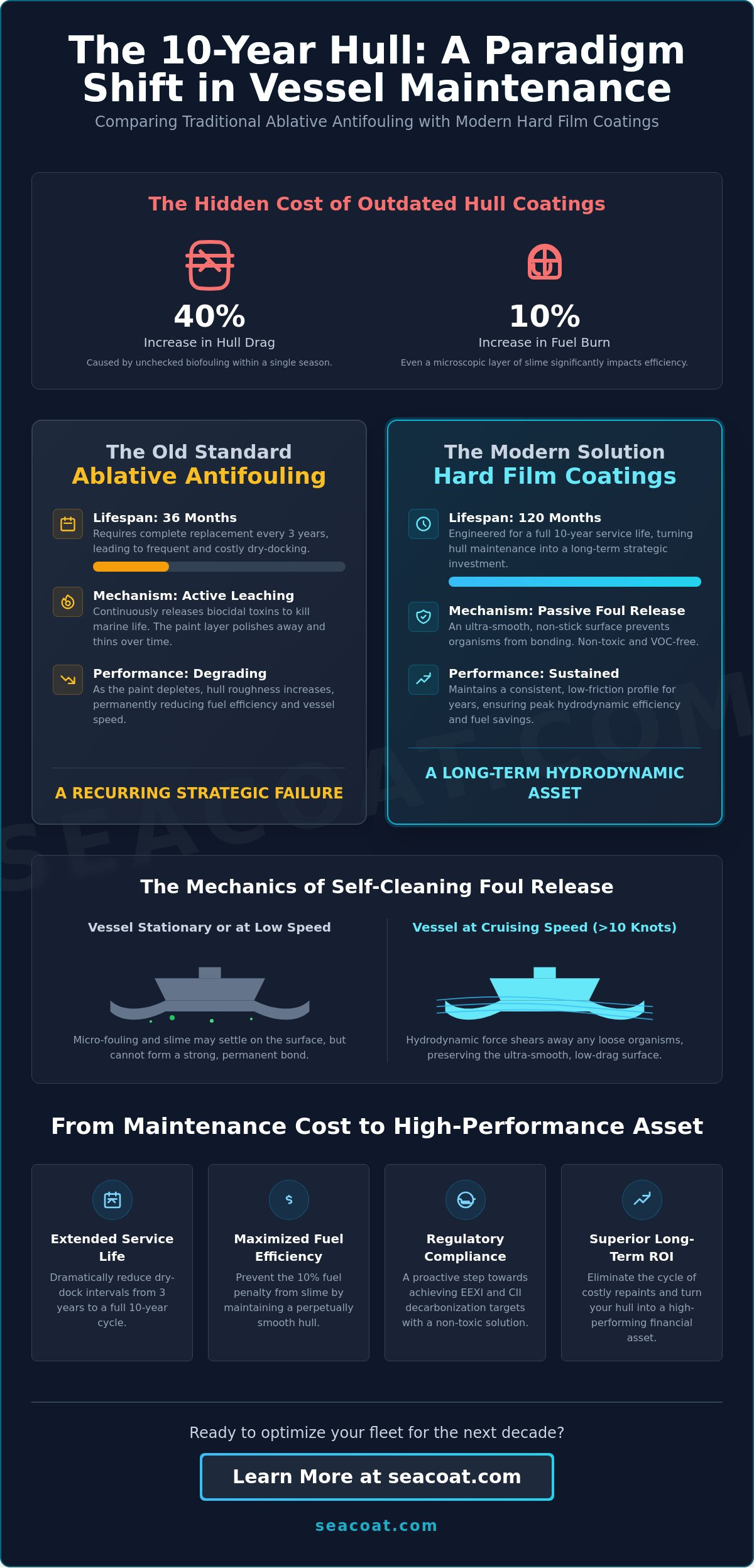
A hull coating that requires replacement every 36 months is no longer an industry standard; it’s a strategic failure in modern fleet management. For many operators, the transition from traditional ablative paints to high-performance systems brings a new set of challenges, particularly regarding the specific techniques for maintaining a hard film hull coating. You likely understand that surface roughness is the primary enemy of fuel efficiency, yet the fear of inadvertently stripping an expensive siloxane or epoxy layer often leads to maintenance paralysis. This hesitation allows biofouling to accumulate, which can increase hull drag by up to 40% within a single season, according to 2023 hydrodynamic studies.
We’ll show you how to move beyond reactive scrubbing toward a proactive grooming strategy that preserves the coating’s integrity. By mastering these specialized protocols, you’ll gain the technical knowledge needed to maximize vessel speed and minimize fuel consumption while extending your service life to a full ten-year cycle. This guide provides a comprehensive roadmap for 120-month hull performance, detailing the precise tools and frequencies required to reduce dry-dock intervals and ensure your vessel remains a high-performing hydrodynamic asset.
Key Takeaways
- Understand the fundamental shift from ablative paints to siloxane-based permanent barriers and how this transition supports a ten-year vessel service life.
- Learn to identify and mitigate micro-fouling early to prevent the 10% increase in fuel consumption caused by increased hydrodynamic drag.
- Discover the specialized “grooming” techniques required for maintaining a hard film hull coating to ensure low-friction performance without compromising the integrity of the surface.
- Evaluate the strategic financial and regulatory advantages of hard film systems, including their role in achieving EEXI and CII decarbonization targets.
What is a Hard Film Hull Coating and Why is Maintenance Unique?
A hard film hull coating is a non-biocidal, high-durability barrier that represents a fundamental shift in maritime protection. Unlike traditional coatings that rely on the controlled release of toxins to kill marine life, these systems utilize advanced silane-siloxane chemistry to create a permanent physical shield. This “permanent barrier” concept means the coating does not slough off, thin, or polish away during vessel operation. It remains a constant thickness throughout its service life, providing a stable foundation for hydrodynamic efficiency.
The efficacy of these coatings is rooted in surface energy. By creating an ultra-smooth, low-friction surface, the coating prevents marine organisms from forming a permanent bond with the hull. While barnacles or biofilm might settle on the surface while a vessel is stationary, the lack of adhesion allows them to be easily displaced by water flow once the ship reaches a specific speed. Because the mechanism is physical rather than chemical, the rules for maintaining a hard film hull coating differ significantly from those of conventional paints. You aren’t managing a depleting resource; you’re preserving a high-performance surface.
The Science of Silane-Siloxane Durability
Silane-siloxane coatings achieve their durability through a covalent molecular bond with the vessel substrate. This creates a non-porous, glass-like matrix that is resistant to mechanical wear and chemical degradation. While a standard Anti-fouling paint operates through “active” leaching—where biocides are continuously pumped into the surrounding water—hard films provide “passive” release. This transition eliminates the environmental footprint of heavy metal runoff. Silane-siloxane is a high-performance, VOC-free maritime solution that protects both the asset and the ecosystem. The hard film doesn’t just sit on top of the hull; it becomes an integral part of the vessel’s exterior, capable of withstanding high-pressure cleaning and ice friction that would destroy softer paints.
Hard Film vs. Traditional Antifouling Performance
The most striking difference between these technologies is the operational life cycle. Premium hard films are engineered for a 10-year service life, a stark contrast to the 24-month dry-docking cycles required by most ablative systems. This longevity transforms the hull coating from a recurring maintenance expense into a long-term strategic asset. The primary goal of maintaining a hard film hull coating is the mitigation of hull roughness. Even minor increases in surface texture can lead to significant drag, increasing fuel consumption and carbon emissions.
- Ablative Paints: Lose thickness over time, leading to increased roughness and potential substrate exposure.
- Hard Films: Maintain a consistent profile, ensuring that the vessel’s hydrodynamic signature remains optimized for years.
By focusing on smoothness rather than chemical potency, operators can achieve sustained fuel savings and reduced emissions. For a deeper analysis of how these systems compare to legacy technologies, consult our Definitive Guide to Antifouling Boat Paint. Understanding this distinction is the first step in moving away from the costly, labor-intensive cycles of traditional hull maintenance.
The Mechanics of Foul Release: How Maintenance Supports Performance
Hydrodynamics dictates the economic reality of every maritime operation. Even a microscopic layer of biofilm, often called slime, can increase vessel drag enough to raise fuel consumption by 10%. Maintaining a hard film hull coating is not merely about aesthetics; it’s about preserving the low-friction coefficient that prevents biological attachment. These high-performance siloxane systems function through a non-stick mechanism rather than chemical toxicity. By keeping the surface slick, the coating ensures that the transition from primary biofilm to secondary calcareous growth, such as barnacles or tubeworms, is physically inhibited.
The efficiency of a foul release system depends heavily on the relationship between vessel speed and hydrodynamic shear. When a ship reaches its designed cruising speed, typically above 10 knots, the water rushing past the hull generates enough force to strip away any loosely attached organisms. This self-cleaning process keeps the hull optimized between scheduled cleanings. If the coating is neglected or allowed to accumulate heavy fouling while idle, the bond between the organism and the surface can strengthen, requiring manual intervention to restore the hydrodynamic profile.
Surface Roughness and Fuel Optimization
Average Hull Roughness (AHR) is a critical metric for any fleet manager focused on the bottom line. While traditional eroding or ablative paints become physically rougher as they leach biocides, hard film coatings provide a stable, glass-like finish. Sea-Speed V 10 X Ultra serves as a benchmark in this category, maintaining a consistent AHR for over a decade. This long-term smoothness translates directly into fuel savings and reduced carbon emissions. By maintaining a hard film hull coating through gentle, periodic grooming, operators prevent the “orange peel” effect that plagues older coating technologies, ensuring the vessel operates at peak aerodynamic efficiency throughout its service life.
Preventing Mechanical Damage to the Coating
The durability of a hard film is its greatest asset, yet it isn’t invincible. Mechanical failure often stems from improper docking procedures or the use of aggressive metal scrapers during underwater hull cleanings. When a coating is gouged or scraped away, it creates a site for localized corrosion and heavy fouling attachment. This neglect can lead to serious substrate damage if the protective barrier is compromised. Maintaining the integrity of the film is essential for preventing the migration of moisture to the steel or composite hull. For technical insights on maintaining these barriers, refer to the Guide to Advanced Marine Hull Coatings. Adopting a proactive inspection routine allows for the mitigation of small chips before they become systemic failures. Integrating these specialized coatings into your long-term strategy ensures that your vessel remains a high-performing asset for years to come.
Grooming vs. Scrubbing: The Hard Film Maintenance Framework
Effective maintenance of a siloxane-based foul release system requires a shift in perspective from reactive cleaning to proactive grooming. While traditional anti-fouling paints often rely on aggressive scrubbing to reveal fresh biocides, maintaining a hard film hull coating focuses on preserving the integrity of a low-energy surface. Grooming is the practice of removing the initial biofilm, or slime layer, before it can transition into macro-fouling like barnacles or tubeworms. This light, frequent touch ensures the vessel remains hydrodynamically efficient without degrading the coating’s chemical structure.
Aggressive scrubbing is the primary enemy of siloxane technology. High-pressure cleaning or abrasive mechanical action can disrupt the specialized molecular arrangement that provides the foul-release effect. When the surface energy is altered through physical trauma, the coating’s ability to shed organisms during transit diminishes. Operators must follow the “Soft Touch” rule, which dictates using the least abrasive method possible to achieve a clean hull. This typically involves soft cloths, specialized sponges, or low-pressure water systems that glide over the hard film rather than digging into it.
The Dangers of Traditional Cleaning Methods
Metal scrapers and stiff nylon brushes should never touch a hard film coating. These tools are designed for sacrificial coatings and are far too destructive for high-performance siloxane surfaces. Using them creates micro-scratches that are often invisible to the naked eye but significant at a microscopic level. These abrasions increase the total surface area and provide mechanical anchors where larvae can more easily attach.
There’s also a risk of over-polishing the surface. While a smooth hull is desirable, excessive mechanical friction can strip away the critical top layer responsible for the non-stick properties. Once this layer is compromised, the vessel loses its hydrodynamic edge, leading to a measurable increase in fuel consumption. Proper maintenance focuses on biofilm removal rather than surface resurfacing.
Establishing a Proactive Grooming Schedule
A standardized maintenance schedule doesn’t exist because fouling pressure varies based on geography and vessel utility. Vessels operating in tropical waters, where temperatures exceed 25°C, face significantly higher biological pressure than those in temperate zones below 15°C. In high-fouling environments, idle vessels require grooming every 14 to 21 days to prevent the colonization of calcareous organisms.
- High-Activity Vessels: Ships moving at 15+ knots for 200+ days per year benefit from self-cleaning hydrodynamic shear, requiring only quarterly inspections.
- Idle Vessels: Stationary assets or those with long port stays need a strict bi-weekly grooming protocol to maintain the low-energy surface.
Proactive grooming reduces total maintenance costs by 50% over the life of the vessel. By preventing macro-fouling, operators avoid the need for expensive, abrasive remediations and dry-docking intervals are safely extended. This strategic approach ensures the 10-year life cycle of the coating remains intact while optimizing fuel performance through consistent drag reduction.
Step-by-Step Guide to In-Water Maintenance for Hard Coatings
Effective maintenance of a hard film hull coating begins with a high-definition underwater inspection. Using ROVs or diver-operated cameras allows fleet managers to identify the exact fouling stage, from light biofilm to established macro-fouling. This visual data prevents unnecessary abrasion and ensures that the cleaning intensity matches the biological load. Maintaining a hard film hull coating requires a shift from the aggressive scrubbing used on traditional biocidal paints to a more surgical, non-destructive approach.
The cleaning technique must be methodical. Divers or robotic systems should utilize overlapping vertical or horizontal passes to ensure 100% surface coverage. This eliminates “holidays” where residual slime can act as a seed for more complex calcareous growth. Once the cleaning is complete, post-maintenance validation is essential. Technicians should measure surface smoothness using a roughness gauge to verify that the hydrodynamic profile remains within the manufacturer’s technical specifications. Any mechanical damage identified during this phase must be documented in a Hull Log. This log serves as a vital record for regulatory compliance and long-term ROI tracking, allowing operators to correlate cleaning intervals with fuel consumption data.
Approved Tools for Hard Film Maintenance
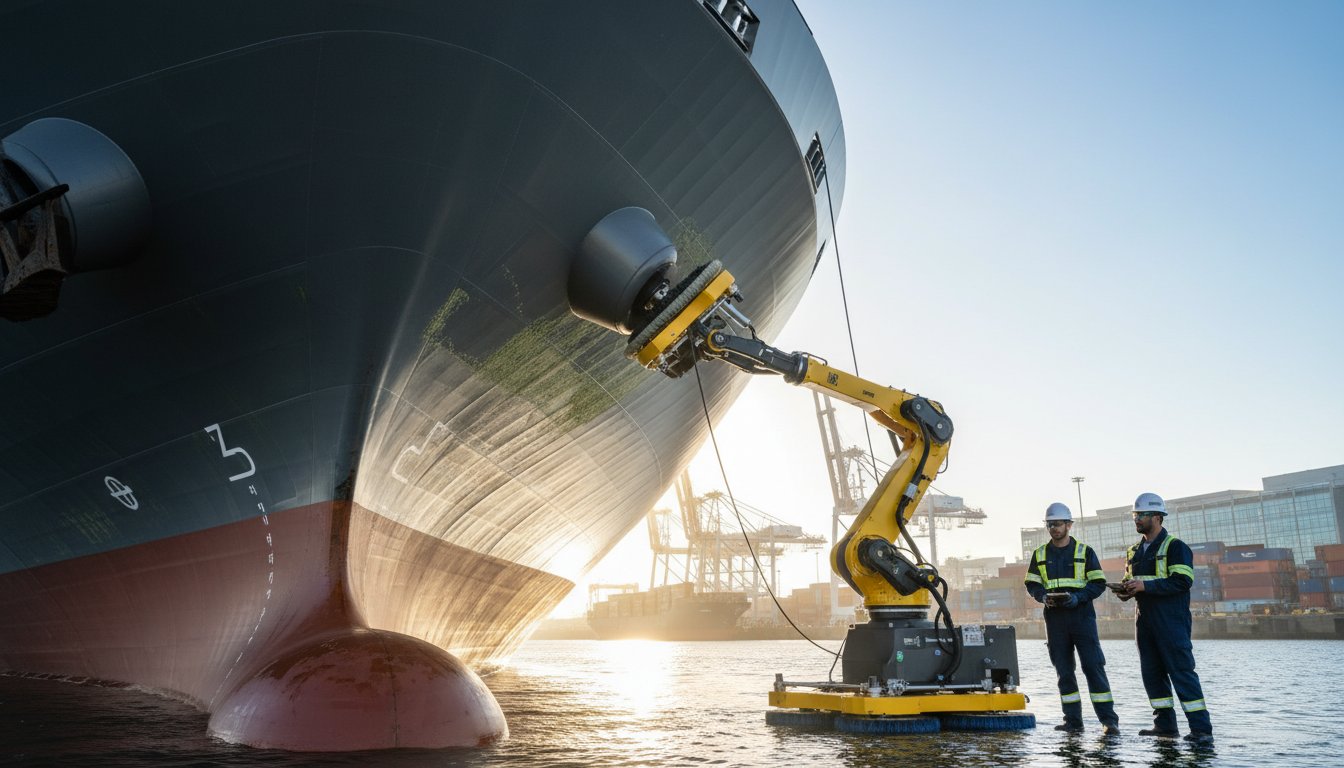
Preserving the integrity of the siloxane or epoxy-based matrix is paramount. Soft polyester brushes, carpet-wrapped rollers, or specialized sponges are the industry standards for removing light slime. Automated hull cleaning robots are increasingly common in modern fleet management, providing consistent pressure and coverage across large surface areas. You should avoid high-pressure water jets exceeding 2,500 PSI. Excessive pressure can compromise the coating’s bond strength and lead to localized delamination, especially near leading edges or welds where hydrodynamic stress is highest.
Handling Calcareous Growth (Barnacles)
When macro-fouling like barnacles or tube worms occurs, the “push” method is the preferred removal strategy. Because hard films lack the porous structure of traditional anti-foulants, calcareous organisms can’t deeply anchor into the substrate. A lateral push usually dislodges the organism without damaging the film. If you must scrape, use plastic or composite tools rather than steel to minimize surface scarring. If the hard film is accidentally breached, spot-repairing the area immediately with a compatible touch-up kit ensures the hull remains protected against corrosion. This proactive care extends the coating’s service life beyond the standard ten-year cycle.
ROI and Regulatory Benefits of Maintained Hard Film Systems
Transitioning from traditional antifouling to hard film technology represents a shift from reactive maintenance to proactive asset management. Maintaining a hard film hull coating ensures that the ultra-smooth surface profile achieved during application remains consistent for over a decade. While ablative coatings rely on the controlled depletion of biocides and physical erosion, Sea-Speed V 10 X Ultra utilizes a non-depleting siloxane chemistry. This technical distinction eliminates the need for frequent full-system removals and reapplications, which often account for 40 percent of long-term dry-docking expenses.
The financial impact of this longevity is measurable. Over a 10-year period, a vessel using Sea-Speed typically requires only minor touch-ups during scheduled surveys, whereas an ablative system would require at least two full recoats. This reduction in material and labor costs, combined with the elimination of hazardous waste disposal fees for toxic paint chips, creates a superior total cost of ownership (TCO). Environmental stewardship is built into the maintenance process; because the coating is biocide-free, in-water cleaning doesn’t release heavy metals or toxins into the marine ecosystem. This allows for more frequent cleanings in strict jurisdictions, keeping the hull in peak hydrodynamic condition.
Meeting EEXI and CII Standards
Hull performance monitoring is no longer optional. It’s a regulatory requirement under the IMO’s latest mandates. By maintaining a hard film hull coating, operators ensure the vessel remains in high-ranking categories under Carbon Intensity Indicator (CII) protocols. Sea-Speed V 10 X Ultra reduces drag by up to 10 percent compared to traditional coatings, directly lowering fuel consumption and greenhouse gas emissions. You can learn more about how these technologies align with the Environmental Marine Coatings shift toward sustainable performance.
The 10-Year Life Cycle Advantage
The strategic advantage of a hard film system lies in vessel availability. Reduced dry-docking intervals mean more days at sea generating revenue. When you factor in the fuel savings from a consistently low-friction surface, the ROI becomes undeniable. This isn’t just a maintenance choice; it’s a strategic asset that positions fleets for success in the 2026 maritime market. It’s time to optimize your fleet performance with SeaCoat SCT’s advanced solutions and move beyond the cycle of temporary fixes.
Securing Operational Excellence Through Strategic Surface Management
Transitioning from traditional ablative paints to a permanent foul release system requires a shift in operational mindset. Maintaining a hard film hull coating isn’t about the aggressive removal of material; it’s about preserving a low-energy surface that minimizes hydrodynamic drag. Since 2001, this specialized technology has demonstrated its ability to sustain a 10-year life cycle when supported by routine grooming rather than destructive scrubbing. These non-toxic, biocide-free formulations ensure zero VOC emissions, providing a clear path for global regulatory compliance in sensitive waters.
Naval trials have verified that the resulting reduction in frictional drag leads to significant fuel consumption savings. By prioritizing surface smoothness over periodic repainting, operators secure a measurable return on investment while protecting marine ecosystems. It’s a strategic asset that transforms hull maintenance into a long-term performance advantage. Explore the Sea-Speed V 10 X Ultra Performance Data to see how these scientific metrics translate to your fleet’s efficiency. Your commitment to technical precision today ensures operational excellence for the decade ahead.
Frequently Asked Questions
Can I use a pressure washer on a hard film hull coating?
You can use a pressure washer on a hard film hull coating provided you maintain a safe distance and specific pressure settings. While traditional ablative paints erode under high pressure, SeaCoat’s silane-siloxane technology withstands up to 3,000 PSI without compromising the film’s physical integrity. This durability allows for rapid removal of slime and biofouling during scheduled haul-outs, ensuring the surface roughness remains below 100 micrometers for optimal hydrodynamic performance.
How often should a vessel with a hard film coating be cleaned?
Active vessels typically require cleaning every 30 to 60 days to maintain peak hydrodynamic efficiency and prevent heavy growth. Because these coatings rely on a low-energy surface rather than chemical leaching, periodic mechanical wiping prevents the transition from micro-fouling to macro-fouling. Regular intervals ensure that maintaining a hard film hull coating remains a simple task of removing soft biofilm before calcareous organisms establish a permanent foothold.
Does cleaning a hard film coating release toxins into the water?
Cleaning a hard film coating doesn’t release toxins into the marine environment because these formulas are 100% biocide-free. Unlike traditional anti-fouling paints that rely on the controlled release of copper or tributyltin, SeaCoat products utilize a non-leaching chemical structure with zero VOCs. This ensures that 100% of the material removed during cleaning is biological matter rather than heavy metals, meeting strict IMO environmental regulations and local port standards.
What happens if I neglect maintenance on my foul-release coating?
Neglecting maintenance on a foul-release coating leads to a 10% to 18% increase in hydrodynamic drag as heavy biofouling accumulates. When hard-shelled organisms like barnacles attach to an unmaintained surface, their removal eventually requires more aggressive mechanical force, which risks physical abrasion of the coating layer. Consistent neglect compromises the 10 year life cycle of the asset and necessitates more frequent hull remediations to restore original flow characteristics.
Are special divers required to maintain silane-siloxane coatings?
You don’t need specialized divers to maintain silane-siloxane coatings, but they must use non-abrasive cleaning tools like soft-bristled brushes or microfiber pads. Standard commercial divers trained in hull husbandry can easily perform these tasks. Using the correct equipment prevents scratching the ultra-smooth surface, which is critical for maintaining the low friction coefficient that defines the performance of SeaCoat’s high-solids technology and long-term durability.
Is it possible to repair a hard film coating while the boat is in the water?
It’s generally not possible to perform permanent repairs on a hard film coating while the vessel is submerged. These advanced polymers require a dry, prepared substrate to achieve the chemical bond necessary for a 10 year service life. While temporary underwater epoxy might fill a void, a professional repair involves hauling the vessel to ensure the surface is free of moisture and contaminants before reapplying the siloxane-based formula to the affected area.
How does hard film maintenance differ for aluminum hulls vs. steel hulls?
Maintenance protocols for aluminum and steel hulls are virtually identical, though the coating provides an essential dielectric barrier on aluminum to prevent galvanic corrosion. Because SeaCoat products are biocide-free, they eliminate the risk of copper-induced pitting that occurs when traditional paints are applied to aluminum alloys. Maintaining a hard film hull coating on these varied substrates ensures the structural integrity of the metal remains intact for over a decade.
Will maintaining my hull coating really improve my fuel efficiency?
Maintaining your hull coating will improve fuel efficiency by 5% to 15% compared to a fouled or degraded surface. Data from ISO 19030 hull performance monitoring shows that keeping a hull clean and smooth reduces the power required to maintain cruising speeds. By minimizing surface roughness and drag, operators realize a measurable reduction in fuel consumption and CO2 emissions, which directly impacts the vessel’s total cost of ownership and environmental footprint.