
The Operational Benefits of a Slick Hull Surface: Science, Speed, and Sustainability
Did you know that for every 10 microns of additional surface roughness on a vessel's hull, power requirements can increase…

The Real Cost of Foul Release Coating Systems: A 2026 ROI Analysis
A mere 0.5 mm layer of slime on a vessel hull can increase fuel consumption and carbon emissions by up…
Are Heavy Metal & Biocide-Free Marine Coatings the Future of Sustainable Shipping?
The maritime industry is evolving, and sustainability is no longer optional—it is essential. At Seacoat, we believe that high-performing marine…
A Smarter Alternative to Marine Paint for Aluminum That Reduces Fuel Costs
Fuel costs have quietly become one of the biggest operational headaches for vessel owners today, especially when efficiency losses creep…
Why Armor SIL Is a Smart Choice for Marine Running Gear Protection
Marine running gear is exposed to constant stress. Propellers, shafts, trim tabs, stabilizers, and outdrives operate in a harsh environment…
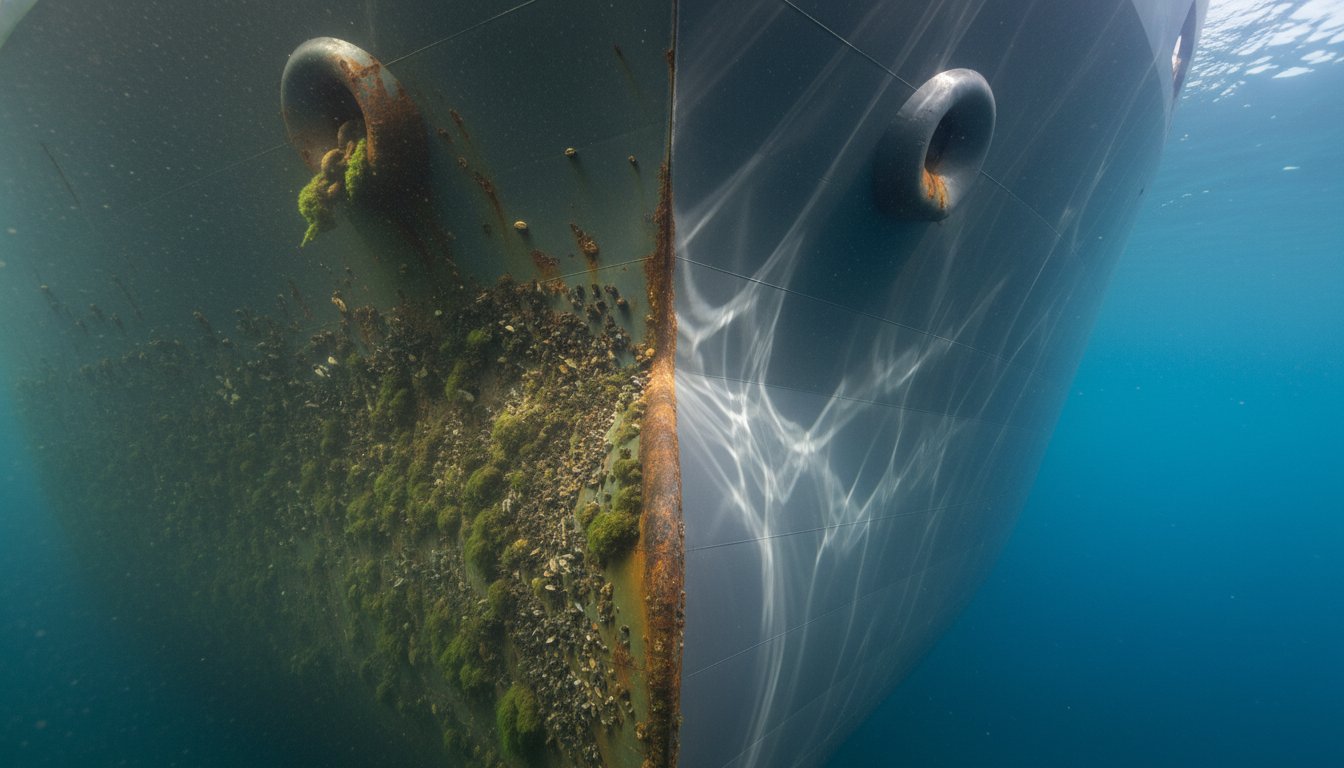
Marine Paint Regulations 2026: The Definitive Guide to Compliance and Hull Performance
By January 1, 2026, the cost of maintaining a traditional ablative hull coating will shift from a standard maintenance expense…
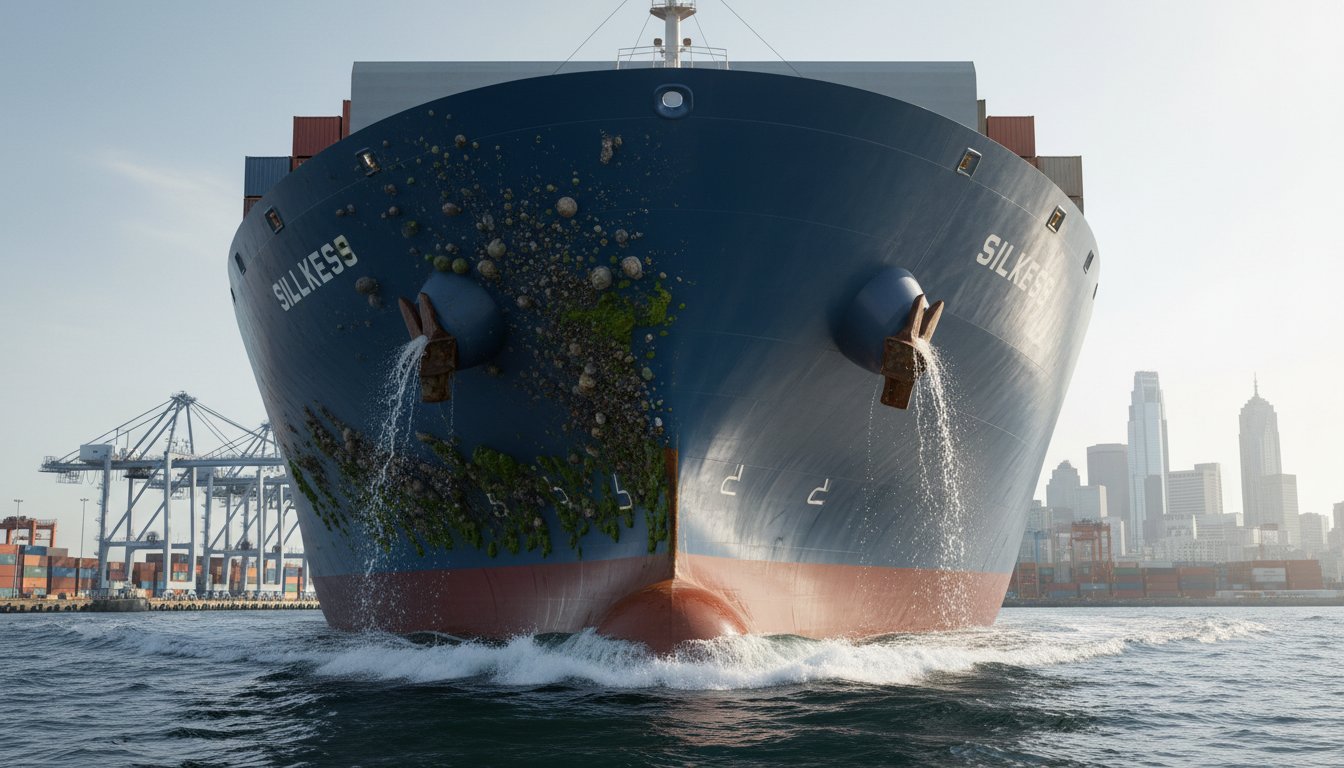
How to Choose a Marine Coating: A Strategic Guide for Vessel Performance in 2026
By 2026, viewing hull protection as a recurring maintenance expense is an operational liability that your fleet can't afford. You're…
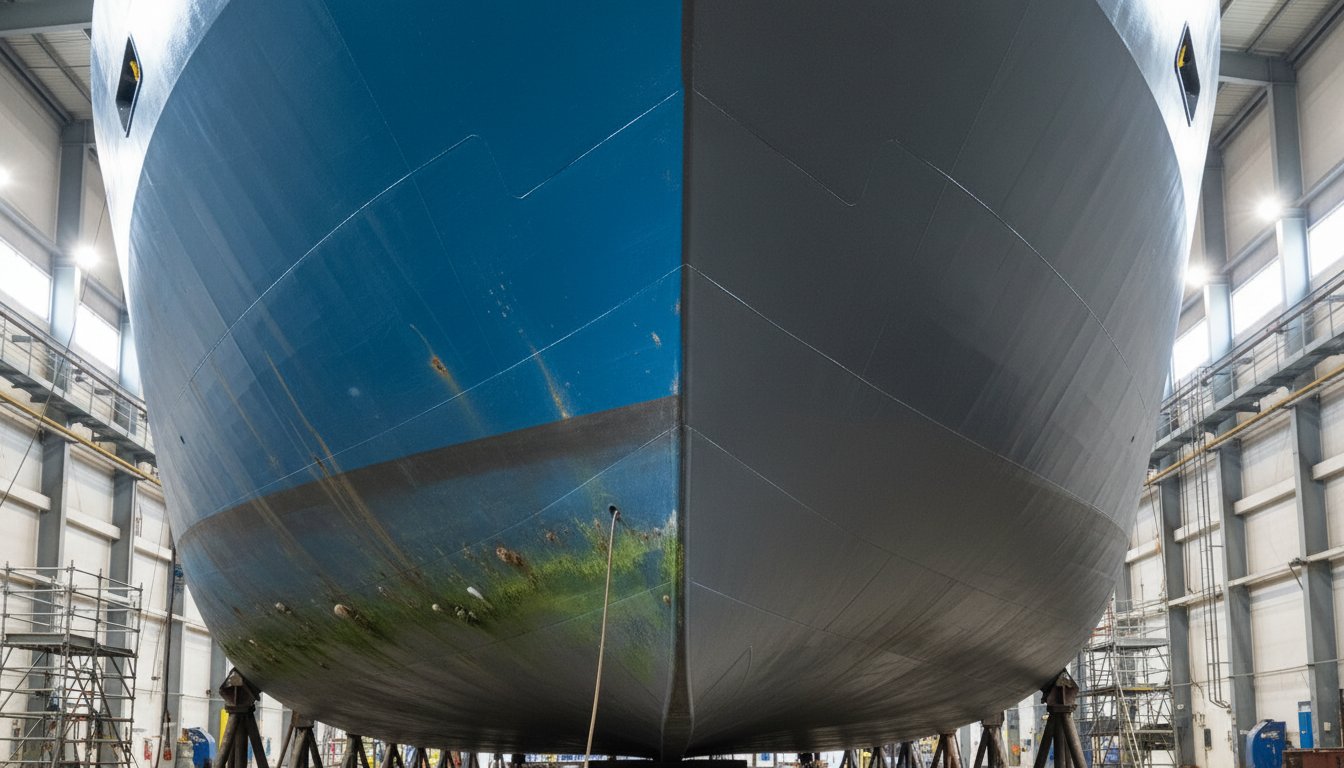
Ablative vs Hard Bottom Paint Pros and Cons: A 2026 Strategic Guide
The binary choice between ablative and hard coatings that has defined maritime maintenance for decades is actually a false dichotomy…
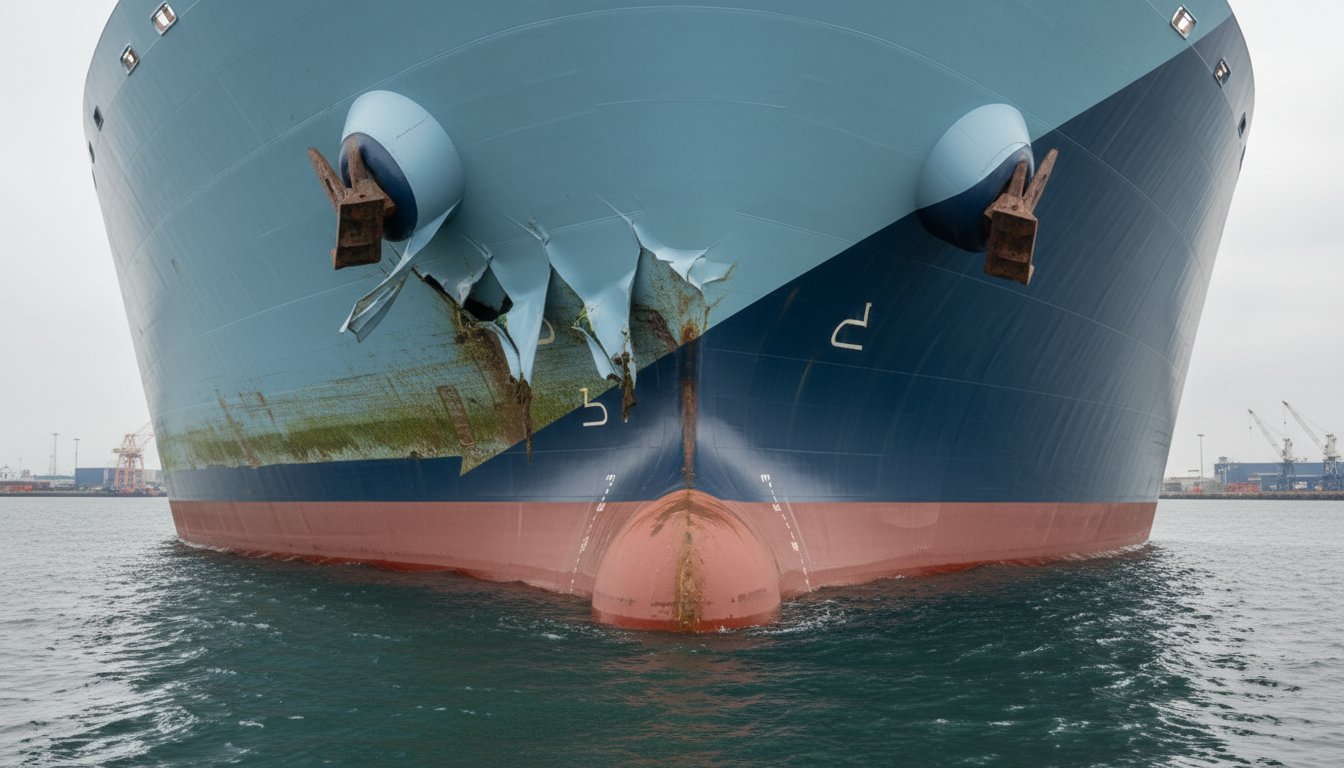
The Hidden Problems with Soft Silicone Hull Coatings: A Technical Analysis
The industry's most popular eco-friendly solution might actually be its most expensive liability. While soft silicone foul release systems were...

Advanced Polymer Marine Coatings: The Science of High-Performance Hull Protection
The IMO’s 2023 Greenhouse Gas Strategy has set a clear trajectory for the industry, making the 40% increase in fuel…