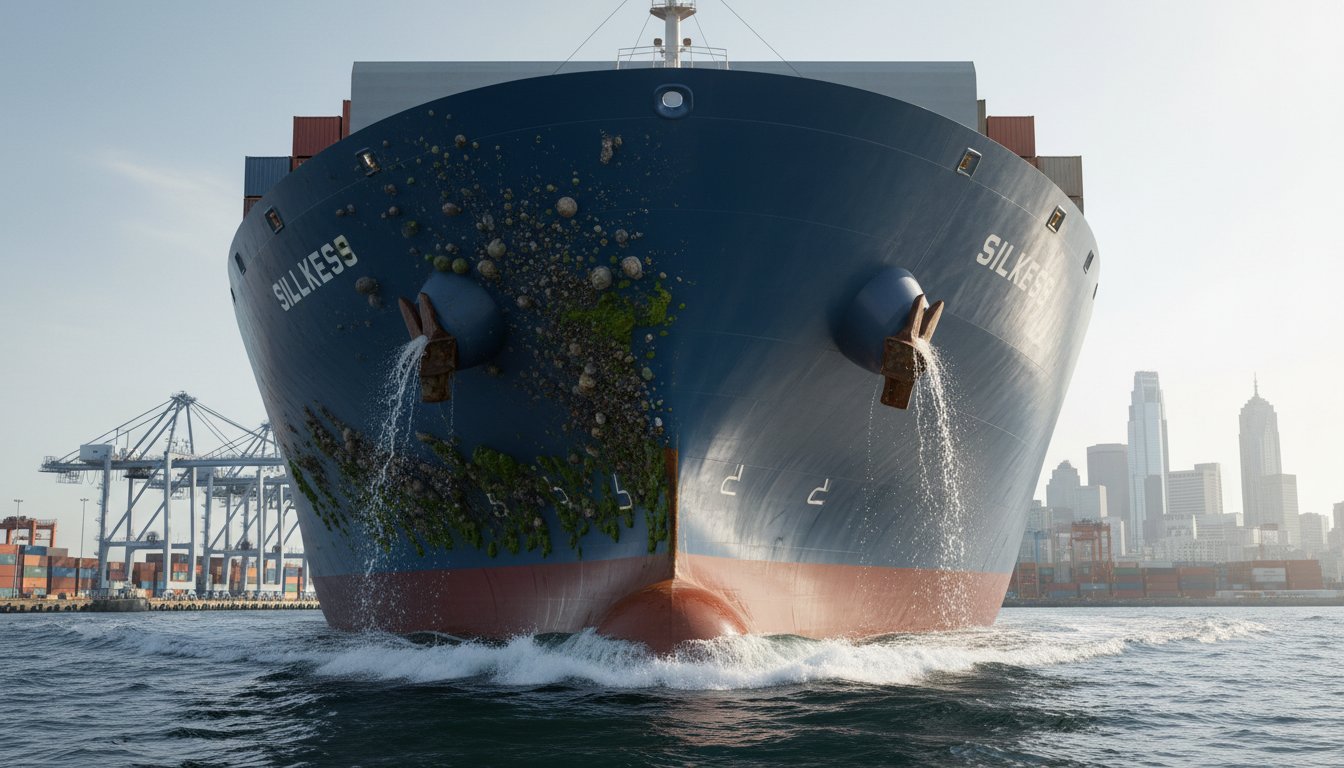
By 2026, viewing hull protection as a recurring maintenance expense is an operational liability that your fleet can’t afford. You’re likely already managing the reality of fuel consumption increasing by 20% due to hull drag, while facing the immediate pressure of IMO biocide restrictions. Understanding how to choose a marine coating is no longer a secondary concern; it’s a critical decision that dictates your vessel’s hydrodynamic profile and long-term ROI. We agree that the traditional cycle of frequent, expensive dry-docking is an outdated model that fails to address the modern demand for permanent efficiency.
Recreational and racing sectors demand a different balance of properties. While durability is important, aesthetics and hydrodynamic smoothness take center stage. Owners of pleasure craft prioritize gloss retention and color stability to maintain the vessel’s market value. In high-end refinishing, experts often learn more about Sinnek colour matching paint system to achieve the perfect finish, a standard that is now being applied to premium marine assets. For the racing community, every micron of surface roughness translates into drag. Clear coatings like Sea-Speed V 10 X Ultra Clear are engineered to enhance racing hulls by providing an exceptionally smooth, non-stick surface that optimizes laminar flow. These systems also simplify maintenance; recreational owners can often remove biofilm with a simple sponge during in-water cleaning, eliminating the need for aggressive scrubbing that damages traditional soft paints.
This guide provides the technical framework to master the selection of advanced siloxane-based systems that offer 10-year life cycles and zero-VOC performance. You’ll learn to evaluate coatings based on surface roughness metrics and environmental compliance without sacrificing cruising speed. We’ll examine the transition from toxic anti-foulants to sophisticated foul-release technologies that turn your hull into a performance-enhancing asset. By prioritizing scientific data over marketing claims, you’ll secure a strategic advantage that protects both your bottom line and the marine ecosystems where you operate.
Key Takeaways
- Redefine your coating selection as a strategic asset for vessel performance, balancing long-term substrate protection with advanced biofouling mitigation.
- Analyze the technical mechanisms of biocide-free foul release systems to understand how they reduce hydrodynamic drag and environmental impact compared to traditional methods.
- Discover how to choose a marine coating by synchronizing specific coating chemistry with your fleet’s unique operational profiles and speed requirements.
- Move beyond the “price per gallon” fallacy by calculating a 10-year total cost of ownership that prioritizes fuel-efficiency ROI and reduced maintenance intervals.
- Future-proof your operations against global environmental mandates by integrating sustainable coating technologies that optimize your Energy Efficiency Existing Ship Index (EEXI) compliance.
Defining the Mission: What a Marine Coating Must Accomplish
Selecting a marine coating isn’t merely a matter of choosing a color or refreshing a vessel’s appearance. It’s a high-stakes engineering decision. Understanding how to choose a marine coating requires a shift in perspective, viewing the coating as a performance-enhancing barrier rather than a simple maintenance expense. This layer serves as the primary interface between a multi-million dollar asset and a relentless saltwater environment. A strategic choice here dictates the next 10 years of a vessel’s operational efficiency, maintenance intervals, and structural health.
The mission of a modern coating is dual-pronged. It must provide absolute protection against substrate corrosion while simultaneously mitigating biofouling. Historically, Antifouling paint technologies relied on the leaching of heavy metals to kill organisms. Modern standards, however, demand biocide-free solutions that prioritize surface slickness and environmental stewardship. When you evaluate how to choose a marine coating for 2026, you’re selecting a tool that manages the vessel’s carbon footprint and long-term ROI.
Corrosion Mitigation and Structural Integrity
Structural integrity begins with the primer. High-performance primers like Seapoxy 73 create a non-permeable barrier that effectively seals the hull against saltwater penetration. This is vital because saltwater acts as an electrolyte, facilitating the electrochemical reactions that lead to rapid oxidation. The requirements vary significantly between materials; steel demands aggressive rust inhibition, while fiberglass requires osmotic blister protection. For those managing light-alloy vessels, selecting specialized boat paint for aluminum boats is essential to prevent galvanic corrosion. Using the wrong chemistry on aluminum can lead to structural failure within 24 months, making material-specific sacrificial layers a non-negotiable requirement for fleet longevity.
Hydrodynamic Efficiency and Drag Reduction
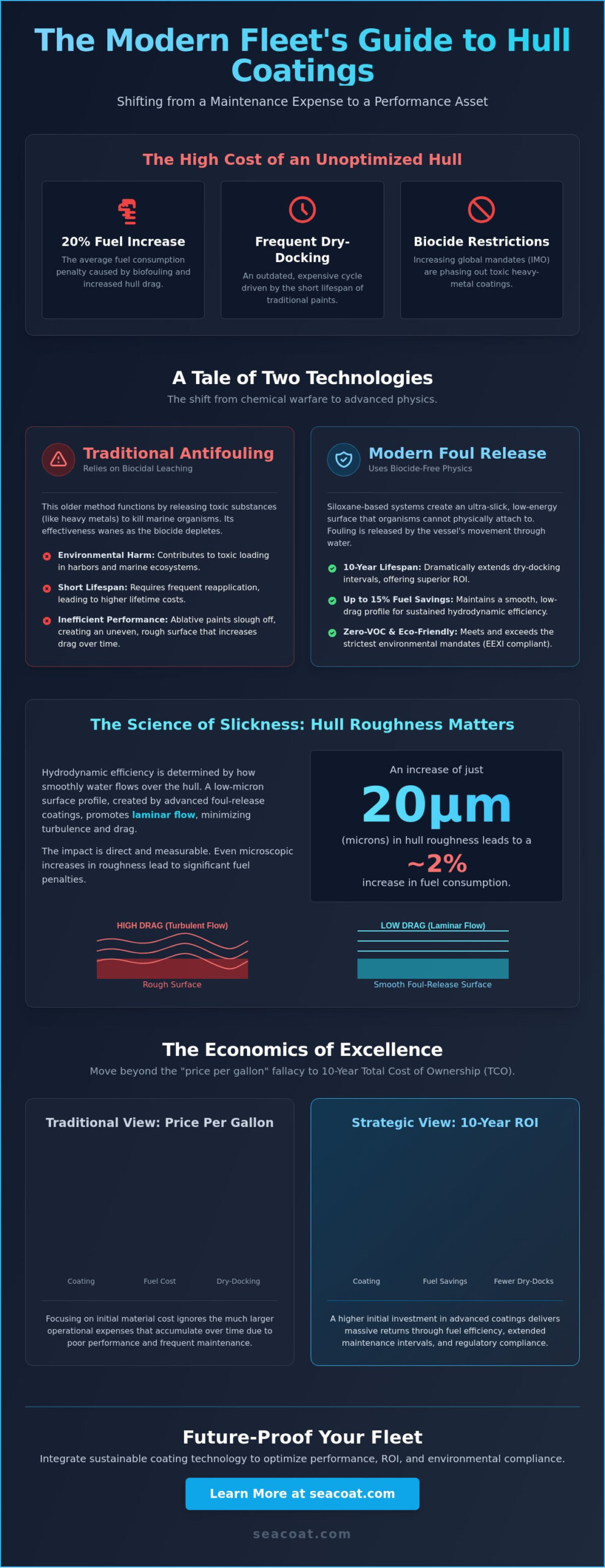
The science of “slickness” is where modern coatings offer the most significant economic impact. Advanced foul-release coatings use siloxane-based chemistry to create a surface with extremely low surface energy. This promotes laminar flow, allowing water to glide over the hull with minimal turbulence. When the hull remains smooth, the engine doesn’t have to work as hard to maintain cruising speed, which can reduce fuel burn by as much as 12% to 15% compared to traditional ablative paints.
Hull roughness is the quantitative measurement of surface profile irregularities expressed in microns, serving as a critical performance indicator for hydrodynamic resistance. Even a minor increase in roughness, such as 20 microns, can lead to a measurable 2% increase in fuel consumption. By maintaining a low-micron profile, operators ensure that frictional resistance remains at a minimum throughout the entire 60-month or 120-month dry-dock cycle. This focus on optimization transforms the coating from a passive shield into an active contributor to the vessel’s bottom-line performance.
Evaluating Coating Technology: Antifouling vs. Foul Release Systems
Deciding how to choose a marine coating requires a fundamental shift from chemical toxicity to mechanical physics. Traditionally, the industry relied on biocidal leaching to kill organisms before they could colonize a hull. Modern vessel management in 2026 demands more sophisticated, durable solutions. This evolution is driven by both environmental mandates and the need for superior hydrodynamic efficiency. Understanding the difference between poisoning a surface and making it physically unattachable is the first step in fleet optimization.
Traditional Biocidal Antifouling: Ablative vs. Hard
The sacrificial nature of ablative bottom paint functions by continuously sloughing off layers to expose fresh biocides. While effective for a time, this process is inherently inefficient. It results in uneven hull surfaces and contributes to the toxic loading of harbor sediments. Hard biocidal paints avoid the sloughing issue but create a different problem. Over several dry-dock cycles, these coatings lead to heavy paint build-up. This accumulation increases surface roughness and drag, which directly compromises fuel economy and increases carbon emissions.
Regulatory bodies have accelerated the sunset of copper and TBT-based systems. By 2026, many global jurisdictions will enforce stricter limits on heavy metal leaching. Research on biofouling and corrosion highlights how these traditional methods often fail to address the underlying bond between organisms and the substrate. This failure necessitates a move toward non-toxic, permanent alternatives that don’t rely on chemical depletion.
Advanced Silane-Siloxane Foul Release Technology
The pinnacle of modern marine coatings is found in silane-siloxane technology. Sea-Speed V 10 X Ultra represents this shift by creating an ultra-smooth, non-toxic surface that organisms cannot firmly adhere to. Unlike soft silicone alternatives, which are prone to tearing and mechanical damage during cleaning or docking, silane-siloxane is a hard-film system. It offers the durability of a traditional epoxy with the release properties of a high-end fluoropolymer. It’s a strategic asset for vessel managers who prioritize long-term ROI over short-term fixes.
This biocide-free approach ensures global port accessibility, as the coating doesn’t leach restricted chemicals into sensitive ecosystems. Because the film is non-ablative, it maintains its hydrodynamic profile for ten-year cycles without the need for repeated applications. When evaluating how to choose a marine coating, prioritize systems that offer zero VOCs and verifiable drag reduction. Integrating these advanced marine coatings into your maintenance schedule ensures regulatory compliance and peak operational performance.
Selecting by Vessel Type and Operational Profile
Understanding how to choose a marine coating requires a shift from viewing paint as a commodity to treating it as a performance-critical asset. The “one size fits all” approach is a dangerous myth in maritime procurement; a coating optimized for a blue-water tanker will likely underperform on a harbor tug or a high-speed ferry. Effective selection depends on the vessel’s specific hydrodynamic environment and duty cycle.
Operational profiles dictate the chemical and physical requirements of the hull surface. Vessel speed is a primary variable. Traditional self-polishing copolymers (SPC) often require consistent speeds of 12 to 15 knots to activate the ablation process that sheds biofouling. If a vessel spends 60% of its time at anchor or operates at low speeds, these coatings won’t function as intended, leading to rapid colonization by calcareous organisms. Conversely, siloxane-based foul release systems rely on low surface energy rather than friction, providing protection even during extended idle periods.
Commercial Fleets and Military Vessels
For large-scale operators, the priority is maximizing the interval between dry-docking events. Commercial specifications must prioritize long-term durability and high abrasion resistance, particularly for vessels navigating ice-prone waters or high-traffic littoral zones. When evaluating how to choose a marine coating for heavy-duty use, technical teams must match specifications to modern antifouling boat paint standards that emphasize biocide-free longevity. Military applications often require specialized matte finishes or specific acoustic signatures, but the underlying need for a hard-film, 10-year life cycle remains the economic driver.
Pleasure Craft and High-Performance Racing
Recreational and racing sectors demand a different balance of properties. While durability is important, aesthetics and hydrodynamic smoothness take center stage. Owners of pleasure craft prioritize gloss retention and color stability to maintain the vessel’s market value. For the racing community, every micron of surface roughness translates into drag. Clear coatings like Sea-Speed V 10 X Ultra Clear are engineered to enhance racing hulls by providing an exceptionally smooth, non-stick surface that optimizes laminar flow. These systems also simplify maintenance; recreational owners can often remove biofilm with a simple sponge during in-water cleaning, eliminating the need for aggressive scrubbing that damages traditional soft paints.
Strategic procurement means aligning the coating’s chemical properties with the vessel’s reality. A ship that sits idle for 200 days a year needs a non-toxic, hard-film foul release system, not a biocide-leaching paint that requires constant motion to stay clean. By analyzing the operational profile first, owners ensure they aren’t just covering a hull, but are investing in a decade of efficiency.
The Economics of Excellence: ROI, Durability, and Life-Cycle Costs
Procurement teams often prioritize the initial invoice, yet focusing on the price per gallon is a strategic error. When determining how to choose a marine coating, the calculation must shift toward the 10-year total cost of ownership (TCO). Traditional biocidal systems require frequent reapplications, often annually or biennially. These hidden costs of boat hull paint application include dry-docking fees, intensive labor, and lost operational days. A hard-film, biocide-free system might command a higher upfront cost, but it eliminates the cycle of stripping and recoating; it delivers a superior return on investment over the vessel’s life by maintaining its integrity through multiple seasons.
Fuel Consumption and Greenhouse Gas Mitigation
Hydrodynamic efficiency is the most significant driver of operational margins in 2026. High-performance coatings reduce skin friction, resulting in documented fuel savings of 6% to 12% across commercial fleets. By minimizing surface roughness, these systems directly lower the carbon intensity of every voyage. A smoother hull reduces the engine load required to maintain cruising speed, which optimizes fuel burn and ensures compliance with tightening Carbon Intensity Indicator (CII) regulations. For a large container ship, a 10% reduction in drag can translate to millions of dollars in annual fuel savings, making the coating a performance-enhancing tool rather than a mere maintenance expense.
Maintenance Intervals and Dry-Docking Efficiency
The transition from 2-year to 5-year or even 10-year dry-dock cycles represents a fundamental shift in maritime logistics. Hard-film systems don’t degrade like traditional ablatives. They provide a permanent substrate that remains intact, requiring only localized repairs rather than full-scale removal. This longevity offers several operational advantages:
- Rapid turnaround: “Easy-clean” surfaces allow for high-pressure water washing instead of aggressive mechanical scrubbing, shortening time in the yard.
- Waste reduction: Eliminating the need to strip old, toxic paint significantly reduces the volume of hazardous waste generated during maintenance, lowering disposal fees.
- Labor optimization: Reduced fouling adhesion means hull cleaning requires fewer man-hours and less specialized equipment.
This durability ensures that the vessel remains in the water, generating revenue, rather than sitting in a dry dock. Understanding how to choose a marine coating requires looking at the ship as a financial asset rather than just a hull. It’s a choice between temporary fixes and a permanent hydrodynamic solution.
Navigating Regulatory Compliance and Environmental Stewardship
The maritime sector is undergoing a definitive transition. By 2026, the criteria for environmental marine coatings will move from optional sustainability to mandatory compliance. Regulatory bodies no longer view hull coatings as simple maintenance items; they’re now critical components of a vessel’s emissions reduction strategy. When operators evaluate how to choose a marine coating, they must prioritize chemistries that align with tightening global mandates.
The industry focus has shifted toward zero-VOC (Volatile Organic Compound) standards. Traditional solvent-based coatings release hazardous air pollutants that compromise crew safety and atmospheric quality. Adopting a coating with 0% VOC content ensures long-term operational legality as regional air quality regulations tighten in major ports. This move isn’t just about compliance; it’s about the health of the marine ecosystem.
Future-proofing your assets also requires anticipating imminent biocide bans. As the IMO continues to restrict substances like Cybutryne and scrutinize copper-based additives, biocide-free systems are the only path to avoid costly mid-cycle remediations. A proactive choice today prevents an emergency dry-docking tomorrow.
Meeting EEXI and IMO Standards
The Energy Efficiency Existing Ship Index (EEXI) and the Carbon Intensity Indicator (CII) have fundamentally changed how to choose a marine coating for modern fleets. Because a vessel’s CII rating is directly tied to fuel consumption per nautical mile, hydrodynamic efficiency is a primary lever for performance. A high-performance foul release system can reduce drag by 6% to 10%, which directly influences a ship’s carbon rating and operational category.
- Hull Optimization: Minimizing skin friction is the most cost-effective way to meet energy efficiency targets without major mechanical overhauls.
- Documentation: Look for manufacturers that provide Type Approval certifications and verifiable surface roughness data.
- CII Ratings: Consistent hull smoothness over a five-year or ten-year cycle prevents the “rating creep” that occurs as traditional ablative paints degrade.
Implementing the Sea-Speed V 10 X Ultra Solution
Integrating Sea-Speed V 10 X Ultra into a fleet management strategy provides a permanent solution to these regulatory pressures. This non-toxic, hard-film siloxane system doesn’t rely on the leaching of toxins. It creates a durable, ultra-smooth surface that resists fouling through its inherent physical properties. This technology yields a surface that stays clean longer and is easier to maintain during scheduled underwater grooming.
The system offers a ten-year life cycle, which significantly reduces the environmental footprint associated with frequent dry-docking and paint removal. To begin the transition, stakeholders should request a technical evaluation. This process includes a detailed ROI projection based on specific vessel routes and operational speeds. By treating the coating as a strategic asset, owners ensure their vessels remain competitive and compliant in a decarbonizing economy.
Optimizing Your Fleet for the 2026 Regulatory Landscape
Navigating the complexities of modern maritime maintenance requires a shift from short-term fixes to strategic asset management. Understanding how to choose a marine coating in 2026 involves prioritizing hydrodynamic efficiency and regulatory durability over traditional, toxic antifouling methods. SeaCoat’s proprietary Silane-Siloxane technology, proven in the field since 2001, eliminates the need for harmful biocides while maintaining a hard film surface that significantly reduces drag. By selecting a zero VOC, non-toxic formulation, operators can achieve measurable fuel savings and realize a 10-year life cycle potential. This approach ensures your fleet meets stringent environmental standards without compromising on operational speed or hull protection. Transitioning to a biocide-free system isn’t just an ecological choice; it’s a commitment to long-term economic performance and technical excellence. It’s time to replace temporary coatings with permanent, high-performance solutions that protect both your bottom line and the marine ecosystem. We’re ready to help you navigate this transition with precision and expertise.
Consult with our technical experts to choose the right Sea-Speed system for your vessel.
Frequently Asked Questions
Is foul release coating better than traditional antifouling paint?
Foul release technology is superior for active vessels because it utilizes low surface energy rather than biocides to prevent attachment. Traditional paints rely on leaching toxins like cuprous oxide, which typically deplete within 24 months. Advanced siloxane systems maintain 95% efficiency over a 10 year period by allowing organisms to slough off at speeds above 10 knots, providing a more durable and ecological solution.
How long does a high-performance marine coating typically last?
A high-performance silane-siloxane coating typically lasts between 7 and 10 years before it requires a full re-application. While standard ablative paints necessitate haul-outs every 24 months, these advanced systems maintain their structural integrity for a decade. This longevity reduces dry-docking frequency by 60%, which significantly optimizes long-term operational costs and vessel availability for commercial fleet managers.
Can I apply foul release coatings over my existing bottom paint?
You can’t apply foul release coatings directly over existing bottom paint because the chemical bond will fail. When you’re learning how to choose a marine coating, it’s vital to recognize that these high-performance systems require a clean, profiled substrate. You must remove 100% of the old antifouling via abrasive blasting to ensure the epoxy primer and siloxane topcoat adhere correctly to the hull.
What is the most environmentally friendly boat paint available in 2026?
The most environmentally friendly option in 2026 is a zero-VOC, biocide-free silane-siloxane coating. These formulas contain 0% copper or zinc, preventing heavy metal accumulation in sensitive marine ecosystems. They meet the strict IMO 2023 regulations and the latest EU REACH standards; this ensures compliance while eliminating the toxic runoff associated with traditional leaching paints that harm aquatic life.
How much fuel can a smooth hull coating actually save?
A smooth hull coating can reduce fuel consumption by 6% to 12% depending on the vessel’s speed and operating profile. By minimizing surface roughness to below 100 microns, these coatings decrease hydrodynamic drag significantly. Data from the International Maritime Organization indicates that even minor biofouling can increase fuel burn by 40%, making hull smoothness a critical factor for operational efficiency.
Do non-toxic marine coatings require more frequent cleaning?
Non-toxic coatings don’t require more frequent cleaning if the vessel maintains a regular operating schedule. For ships that remain idle for more than 14 days, a gentle wipe with a soft brush is sufficient to remove light slime. Because the surface energy is so low, organisms can’t form a permanent bond; this makes the cleaning process 50% faster than scrubbing traditional hard paints.
Are hard-film coatings suitable for aluminum boats?
Hard-film coatings are highly suitable for aluminum boats because they provide an inert barrier that prevents galvanic corrosion. Unlike copper-based paints, which cause electrolytic reactions that can dissolve an aluminum hull in months, siloxane systems are non-conductive. This makes them a safe choice for aluminum hulls, offering a 10 year protection cycle without the risk of metal degradation or pitting.
What is the difference between silicone and silane-siloxane coatings?
Silicone coatings are soft and prone to tearing, while silane-siloxane coatings are hard-film systems that offer superior durability. Silane-siloxane technology creates a molecular bond with the substrate, resulting in a surface that is 3 times more resistant to abrasion than standard silicone. When researching how to choose a marine coating, prioritize siloxane for its ability to withstand ice, debris, and frequent dockings.