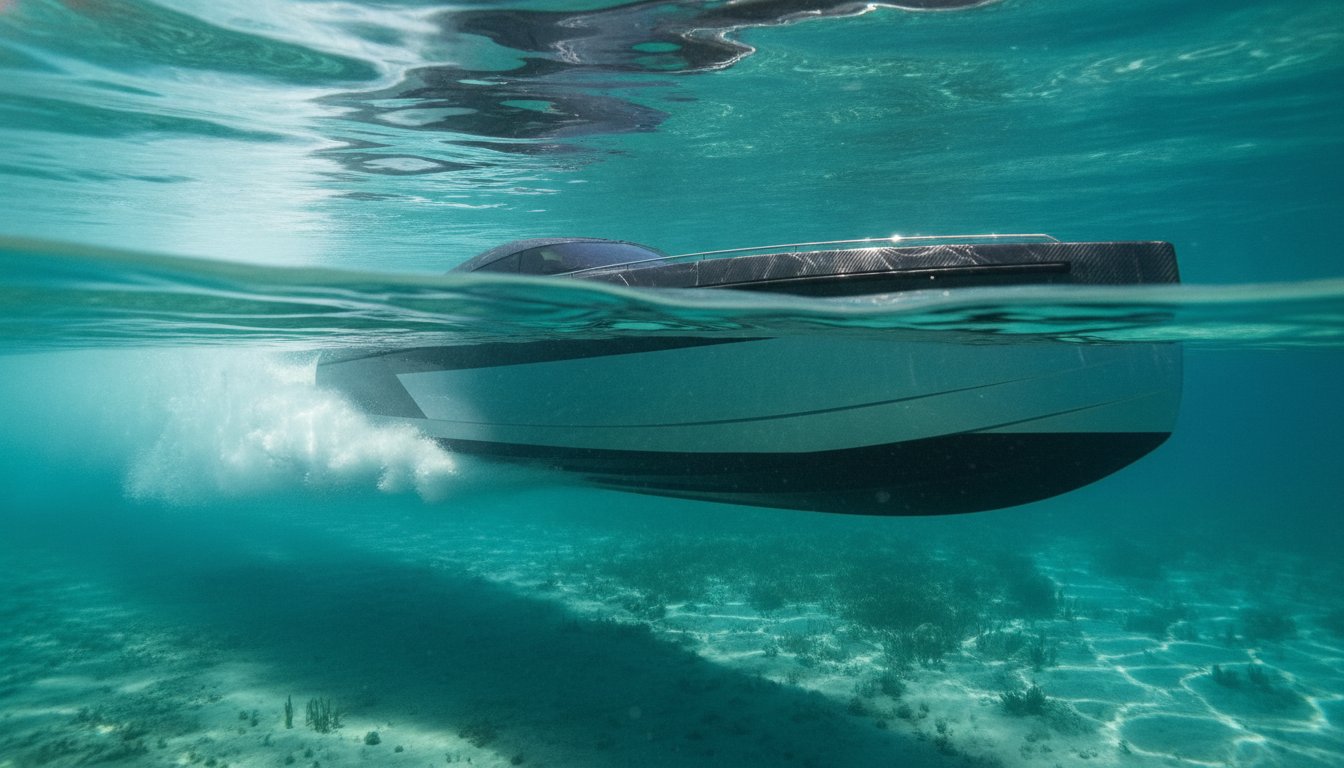
Clear Hull Coating for Performance Boats: The Science of Speed and Surface Efficiency
While conventional antifouling paints often have a surface roughness between 120 and 175 microns, a high-performance clear hull coating for...

Best Coating for Ice Class Vessels: Balancing Abrasion Resistance and Hydrodynamic Efficiency
A steel hull equipped with a traditional anticorrosive system can experience an increase in Average Hull Roughness from 100 to…
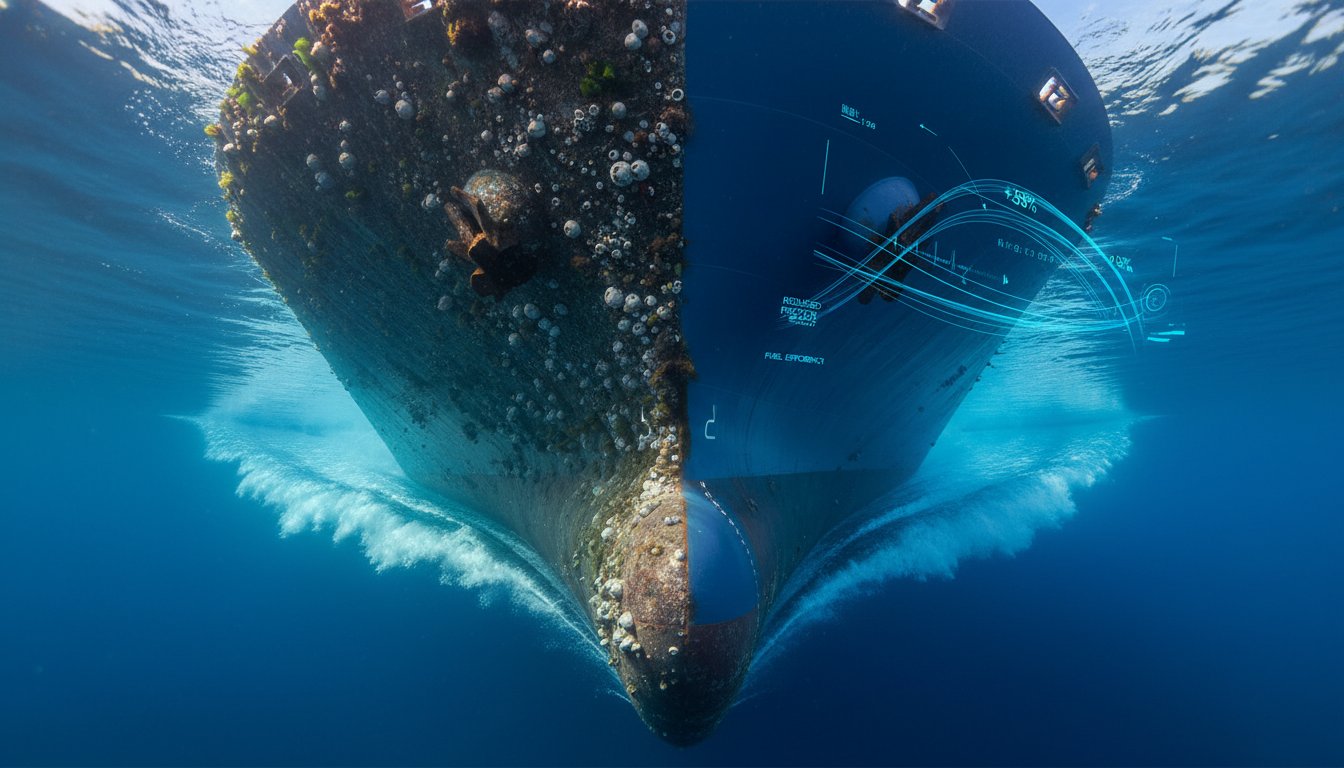
How Does Foul Release Coating Work? The Science of Hydrodynamic Efficiency
The International Maritime Organization reports that heavy biofouling can increase a ship's fuel consumption by as much as 40 percent.…
![Foul Release Coating for Ships: The Definitive Guide to Hydrodynamic Efficiency [2026]](https://seacoat.com/wp-content/uploads/2026/03/Foul-Release-Coating-for-Ships-The-Definitive-Guide-to-Hydrodynamic-Efficiency-2026-Hero-Image.jpg)
Foul Release Coating for Ships: The Definitive Guide to Hydrodynamic Efficiency [2026]
A 10% increase in hull roughness from biofouling can trigger a fuel consumption penalty of over 15%, a figure that…