
The Real Cost of Foul Release Coating Systems: A 2026 ROI Analysis
A mere 0.5 mm layer of slime on a vessel hull can increase fuel consumption and carbon emissions by up…
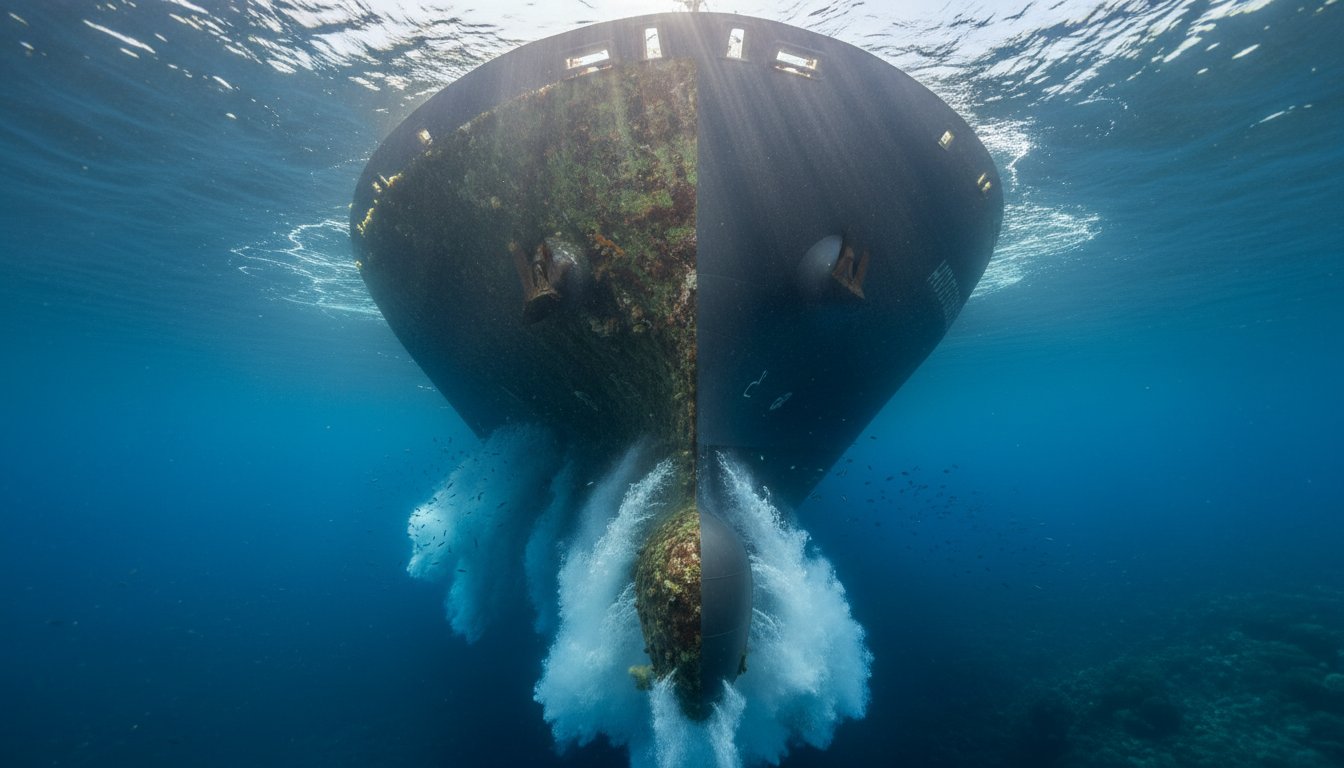
Protecting Hull from Marine Growth: The Science of Foul Release & Efficiency
According to International Maritime Organization data, even a light coating of slime just 0.5 millimeters thick can increase a vessel's…

How Hull Coatings Affect Vessel Resale Value: A Strategic Guide for 2026
What if the recurring line item for hull maintenance on your balance sheet wasn't a sunk cost, but a strategic…
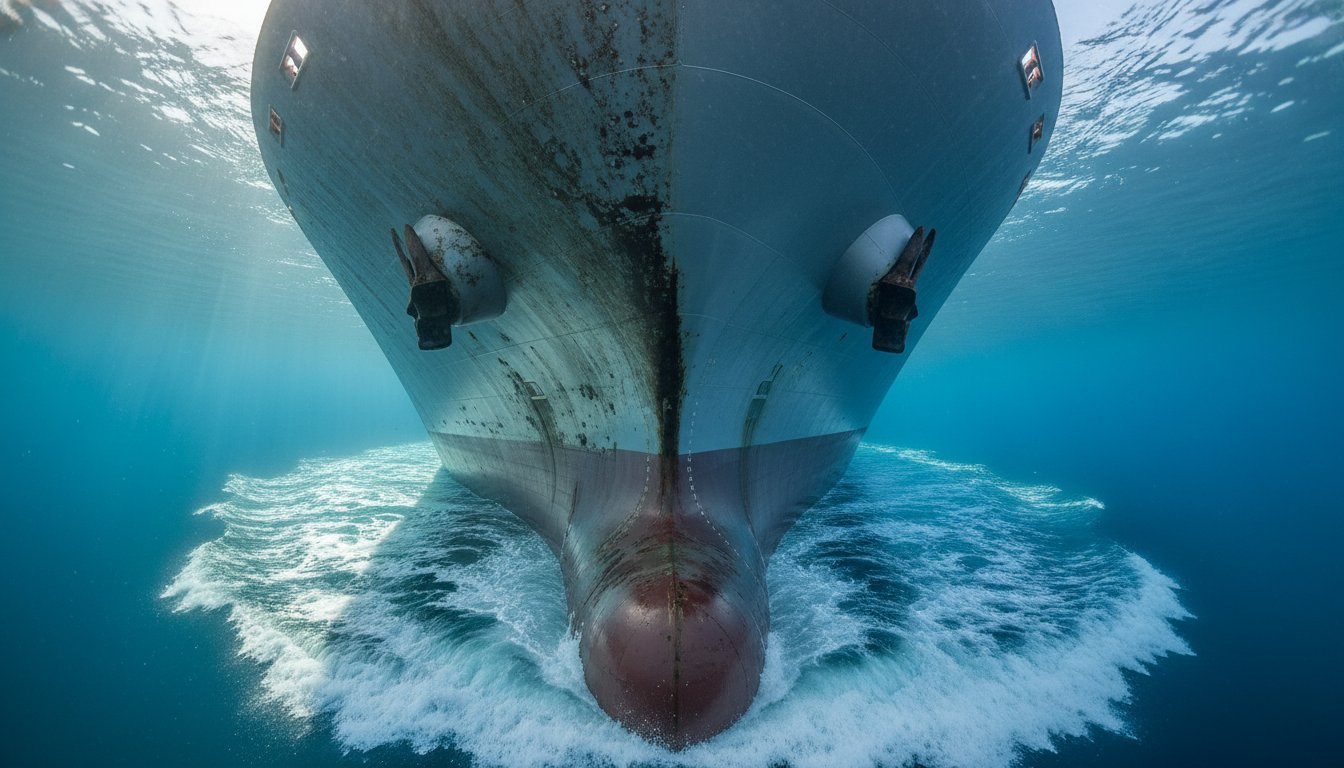
Ablative Antifouling Bottom Paint: Mechanics, Limitations, and the Shift to Sustainable Coatings
For decades, the maritime sector has accepted the premise that a vessel's hull must literally dissolve to remain clean, yet…
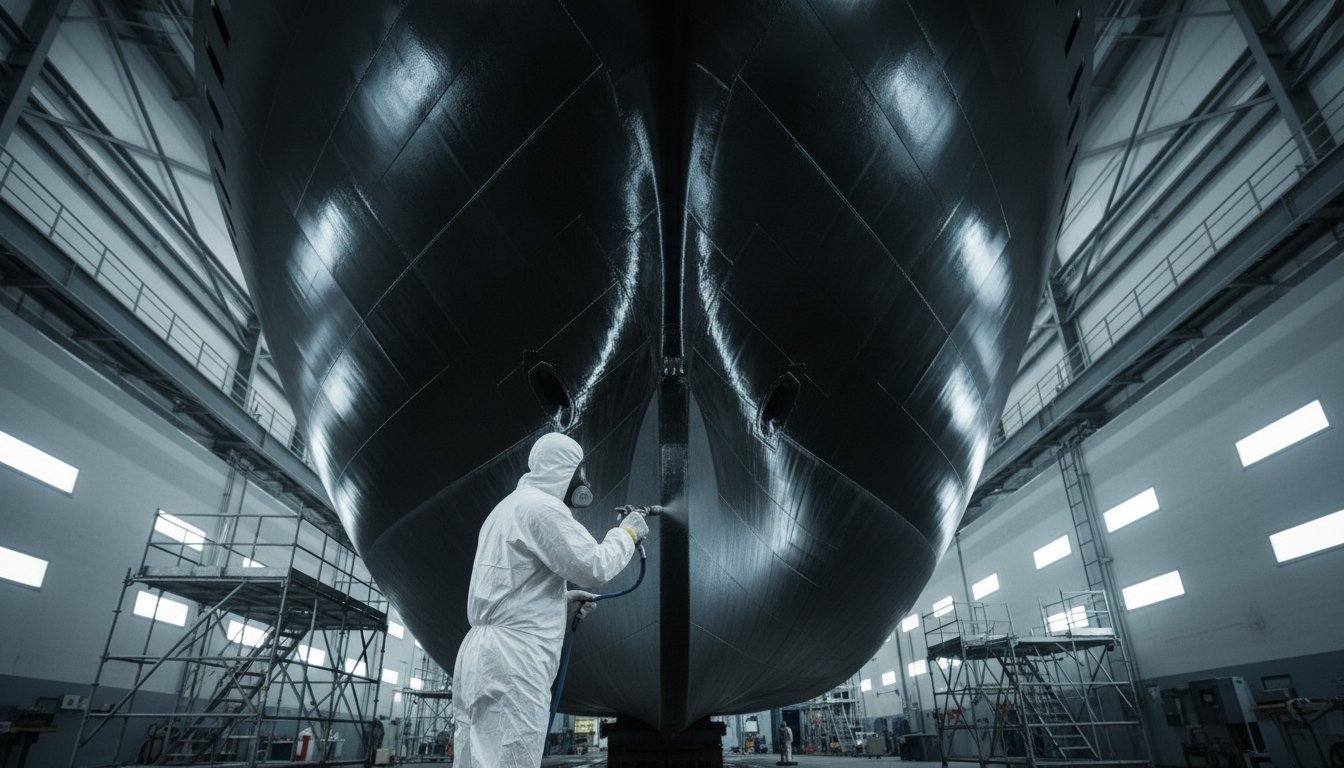
The Definitive Guide to Boat Hull Paint: Performance, Science, and ROI
A seemingly negligible layer of slime, just 500 micrometers thick, can increase a vessel's total hydrodynamic drag by over 20%,…
![Foul Release Coating for Ships: The Definitive Guide to Hydrodynamic Efficiency [2026]](https://seacoat.com/wp-content/uploads/2026/03/Foul-Release-Coating-for-Ships-The-Definitive-Guide-to-Hydrodynamic-Efficiency-2026-Hero-Image.jpg)
Foul Release Coating for Ships: The Definitive Guide to Hydrodynamic Efficiency [2026]
A 10% increase in hull roughness from biofouling can trigger a fuel consumption penalty of over 15%, a figure that…