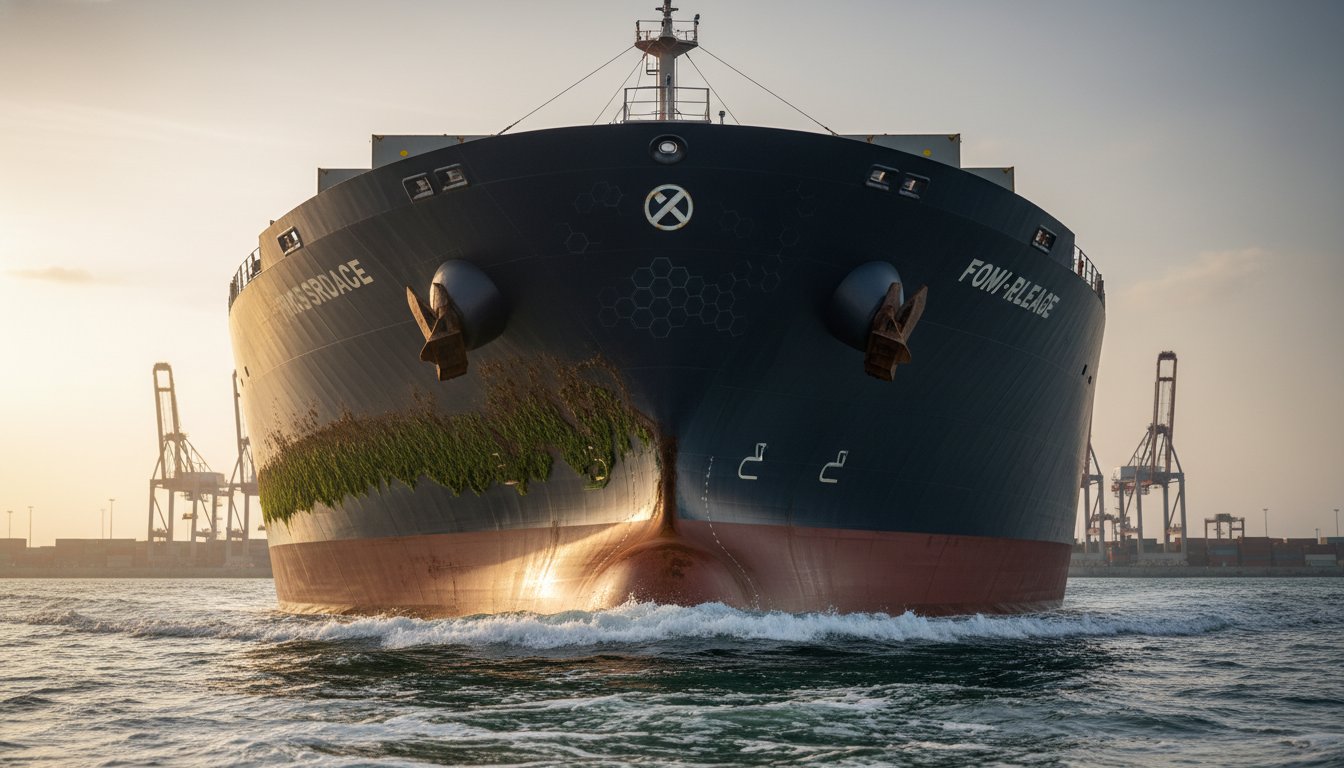
In the high-stakes maritime sector, the selection of marine coatings is a critical operational and financial decision, directly impacting fuel expenditure, dry-docking schedules, and regulatory compliance. The relentless forces of corrosion and biofouling translate directly into increased hydrodynamic drag, escalating fuel consumption and threatening adherence to evolving standards like the EEXI. Navigating the complex lexicon of epoxies, polysiloxanes, and foul release technologies to mitigate these risks can be a formidable challenge, often resulting in expensive coating systems that fail to deliver long-term value.
This definitive guide demystifies the science behind advanced vessel protection systems. We will provide a strategic framework for evaluating coating technologies, enabling you to protect your assets with durable, high-performance solutions. Our objective is to equip you with the comprehensive knowledge required to reduce operational expenditures, extend dry-docking intervals, and ensure your fleet not only meets but exceeds current and future environmental mandates, securing both your investment and its operational efficiency for the long term.
Key Takeaways
- Reframe your perspective from seeing coatings as a maintenance cost to a strategic investment that directly impacts asset protection and long-term ROI.
- Differentiate between the distinct coating requirements for various vessel zones, from the underwater hull to cargo tanks, to optimize protection and performance.
- Grasp the critical evolution of marine coatings from toxic, biocide-based antifouling to advanced, biocide-free technologies that enhance hydrodynamic efficiency.
- Equip yourself with a decision-making framework for selecting a coating system, balancing your vessel’s operational profile with environmental regulations and projected service life.
What Are Marine Coatings and Why Are They Critical?
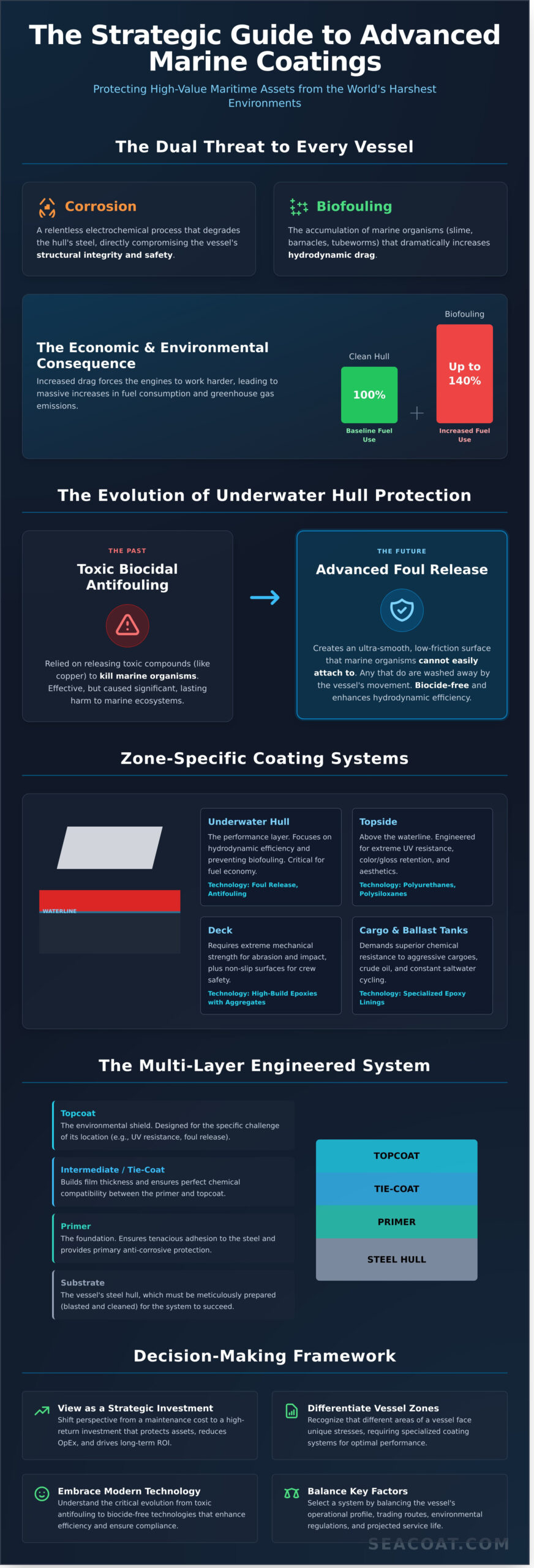
To categorize advanced marine coatings as mere ‘paint’ is a fundamental mischaracterization. They are, in fact, multi-layered, engineered systems meticulously designed to protect high-value maritime assets from one of the most hostile environments on Earth. A vessel’s hull is under constant assault from the corrosive effects of saltwater, relentless UV radiation, and severe mechanical abrasion. The primary functions of these sophisticated systems are therefore threefold: to ensure structural protection, optimize operational performance, and maintain regulatory compliance. Failure to effectively manage the hull surface results in immense economic consequences for the global fleet, driven by increased operational costs and premature asset degradation.
The Dual Threat: Corrosion and Marine Biofouling
Corrosion is a relentless electrochemical process that degrades a hull’s steel substrate, directly compromising the vessel’s structural integrity and, by extension, its safety. Simultaneously, the underwater hull faces the biological challenge of biofouling. This process begins with the formation of a microbial slime layer, which creates a foundation for larger, hard-growth organisms like barnacles and tubeworms. This accumulated marine growth dramatically increases surface roughness, which in turn elevates hydrodynamic drag, leading to substantial increases in fuel consumption and greenhouse gas emissions. Furthermore, fouled hulls are a primary vector for the transfer of invasive aquatic species between global ecosystems.
Beyond Protection: Enhancing Hydrodynamic Efficiency
Beyond serving as a protective barrier, modern coatings are a primary tool for enhancing a vessel’s hydrodynamic profile. The core principle is the mitigation of frictional drag-the resistance created as the hull moves through water. A perfectly smooth, clean hull surface minimizes this resistance, allowing the vessel to achieve its design speed with significantly lower power output. Historically, the industry relied heavily on biocidal Anti-fouling paint to manage this challenge; however, today’s advanced foul-release systems achieve superior results without releasing harmful toxins. This direct link between surface condition and propulsion power frames advanced hull coatings not as a maintenance expenditure, but as a key strategic asset for optimizing operational efficiency and achieving critical decarbonization targets.
A Practical Classification of Marine Coating Systems
A vessel’s protective layer is not a single coat of paint but a sophisticated, multi-layer system engineered for specific operational demands. A complete system typically comprises a primer for adhesion and corrosion control, intermediate or tie-coats to build film thickness and ensure inter-coat compatibility, and a topcoat designed to withstand a specific environmental challenge. The most effective way to classify these advanced marine coatings is by their location on the vessel, as each area faces a unique combination of mechanical, chemical, and environmental stresses. The foundational chemistry for these systems is typically drawn from high-performance polymer families, primarily epoxies, polyurethanes, and advanced polysiloxanes. While every part of the vessel requires robust protection—from the hull itself to vital electrical components sourced from specialists like bivo.com.au—the underwater hull system remains the most critical determinant of operational efficiency and environmental compliance.
Primers and Anti-Corrosive Coatings
The primer is the foundation of the entire coating system, performing the dual roles of ensuring tenacious adhesion to the substrate and providing primary corrosion inhibition. Epoxy-based primers are the industry standard for this function, creating a high-build, impermeable barrier that physically blocks water and chloride ions from reaching the steel. Formulations must be precisely matched to the substrate-whether it is prepared steel, aluminum, or fiberglass-to guarantee system integrity. It must be emphasized that even the most advanced anti-corrosive coating will fail without meticulous surface preparation to the correct standards.
Topside, Deck, and Cargo Tank Coatings
Coatings applied above the waterline must balance protection with aesthetics and specialized functionality. Topside systems are engineered for exceptional UV resistance and long-term color and gloss retention, often utilizing durable polyurethane or next-generation polysiloxane finishes. Deck coatings demand extreme mechanical strength to withstand constant abrasion and impact, incorporating aggregates to provide essential non-slip surfaces for crew safety. For cargo and ballast tanks, the primary requirement is superior chemical resistance, with specialized linings designed to endure exposure to aggressive chemical cargoes, crude oil, and the constant cycling of saltwater immersion.
While the focus of this guide is on protective coatings, it’s worth noting that interior surfaces also benefit from specialized solutions. For creating functional and easily updated walls in crew quarters or passenger areas, you can visit MagScapes to explore innovative magnetic wallcovering systems.
Underwater Hull Coatings: The Performance Layer
The underwater hull is where coating technology delivers its most significant impact on vessel performance. This is the most specialized area of marine coatings, directly influencing hydrodynamic efficiency, fuel consumption, and a vessel’s environmental footprint. The two primary strategies to combat biofouling are fundamentally different: traditional antifouling coatings, which slowly release biocides, and advanced foul release systems, which create ultra-smooth, low-energy surfaces that prevent organisms from attaching firmly. The selection between these technologies is driven by a vessel’s operational profile, route, and the need to comply with evolving global standards such as the International Maritime Organization (IMO) anti-fouling regulations. This performance layer represents the frontier of coating innovation, setting the stage for a deeper analysis of these competing systems.
The Evolution from Toxic Antifouling to Modern Foul Release
The history of hull protection is a story of profound technological and ethical progression. For decades, the maritime industry relied on a biocidal approach to combat marine biofouling-a strategy that has been rendered obsolete by advanced, non-toxic systems that work in harmony with hydrodynamics rather than against marine biology. This evolution was driven by environmental necessity and regulatory action, paving the way for superior, sustainable performance.
Traditional Antifouling Paints: A Biocidal Approach
Legacy antifouling paints functioned by slowly leaching toxic compounds, primarily copper oxides and the highly potent organotin compound tributyltin (TBT), into the surrounding water. This process created a toxic micro-layer designed to kill any marine organism attempting to attach. The two primary types were ablative (self-polishing) coatings, which erode to expose fresh biocide, and hard paints, which leach from a static film. Both systems suffered from diminishing efficacy as the biocidal agents depleted, and their environmental toll-including severe bioaccumulation in the marine food chain and widespread ecological damage-prompted global regulatory bans.
Foul Release Coatings: A Non-Toxic, Physical Solution
The paradigm shift away from biocides led to the development of foul release technology. Instead of poisoning marine life, these advanced marine coatings create an ultra-slick, low-energy surface. The core principle is physical, not chemical; the surface is so smooth that organisms like barnacles and algae cannot establish a firm grip. The efficacy of these systems is rooted in their physical surface characteristics, a topic explored in depth in this scientific review on marine coating properties. As a vessel moves, the hydrodynamic forces of the water are sufficient to shear off any loosely attached organisms, creating a “self-cleaning” effect. This biocide-free mechanism ensures full regulatory compliance and protects fragile marine ecosystems.
Hard-Film vs. Soft Silicone Foul Release Systems
Within the foul release category, a critical distinction exists between soft silicone and modern hard-film systems. Traditional soft silicone coatings, while effective at foul release, are highly susceptible to mechanical damage and abrasion, making them unsuitable for many operational environments and impossible to clean without compromising the film. In contrast, hard-film foul release coatings are engineered for superior durability. Their robust surface can withstand routine cleaning, contact with ice, and other operational rigors, ensuring long-term performance and hydrodynamic efficiency. This resilience is a non-negotiable asset for maintaining vessel availability and minimizing lifecycle costs. Learn why durability matters for operational success.
Key Factors in Selecting the Right Marine Coating System
Selecting a hull coating is a strategic investment in a vessel’s long-term operational efficiency and asset value, not merely a procurement decision. The optimal system is never a one-size-fits-all solution; it is a carefully calibrated choice based on a matrix of interdependent variables. A comprehensive evaluation that considers the entire lifecycle of the coating-from application to performance and eventual renewal-is critical to mitigating risk and maximizing return on investment.
Vessel Type and Operational Profile
A vessel’s function dictates its hydrodynamic and anti-fouling requirements. A high-speed container ship traversing trans-oceanic routes benefits from a foul release system, where high water flow generates the shear force needed to detach marine organisms. Conversely, a stationary platform or slow-moving vessel in warm, high-fouling waters requires a coating with robust static anti-fouling capabilities. The operational profile-including typical speed, idle periods, and trading routes (tropical vs. arctic)-is the primary determinant of coating suitability.
Environmental Regulations and Compliance
The regulatory landscape for marine coatings is increasingly stringent. Compliance with the IMO’s Anti-Fouling System (AFS) Convention is the global baseline, but shipowners must also consider how hull performance impacts efficiency standards like the Energy Efficiency Existing Ship Index (EEXI) and Carbon Intensity Indicator (CII). A low-friction, biocide-free coating directly contributes to a lower CII rating by reducing fuel consumption. Furthermore, regional and port-specific rules restricting certain biocides or in-water cleaning methods make globally compliant, non-toxic systems a significant operational advantage.
Total Cost of Ownership (TCO) vs. Upfront Price
Focusing solely on the initial cost per liter is a critical financial miscalculation. A premium coating system delivers a lower Total Cost of Ownership (TCO) through quantifiable performance benefits. A thorough analysis must include:
- Fuel Savings: A smooth, foul-free hull minimizes hydrodynamic drag, directly reducing fuel consumption by 5-15% or more.
- Maintenance Costs: Durable, hard-film coatings reduce the need for frequent and costly in-water cleaning interventions.
- Dry-Docking Intervals: Extending the time between dry-dockings from a standard five years to ten years generates immense savings in operational downtime and maintenance expenses.
This data-driven approach reveals that a higher initial investment often yields a significantly greater ROI over the vessel’s service life. To analyze the specific TCO benefits for your fleet, you can explore our technical data and case studies.
Advancing Vessel Performance Through Strategic Coating Selection
The selection of a hull coating system has evolved far beyond a simple maintenance task; it is a critical strategic decision that directly dictates a vessel’s long-term operational efficiency, environmental compliance, and profitability. As this guide has illustrated, understanding the classification of different systems and the industry’s pivotal shift from toxic antifouling to sophisticated foul release technologies is paramount. The right choice in marine coatings is no longer just about protection-it is about securing a competitive and sustainable advantage in a demanding global market.
Seacoat SCT, LLC’s technology represents the apex of this evolution. The Sea-Speed V 10 X Ultra, engineered with a durable hard-film silane-siloxane chemistry, provides a definitive solution with a proven 10+ year lifespan on commercial vessels. This longevity minimizes dry-docking cycles while its low-friction surface actively reduces fuel consumption and emissions by 8-12%. We invite you to move beyond temporary fixes and invest in a permanent, performance-enhancing asset for your fleet.
Explore the Sea-Speed V 10 X Ultra: The Future of Non-Toxic Hull Coatings
Frequently Asked Questions About Advanced Marine Hull Coatings
How long do modern marine coatings last?
Advanced marine coatings, particularly hard foul release systems based on siloxane-polymer technologies, are engineered for extended in-service periods, often achieving a service life of up to ten years. This longevity provides a superior long-term ROI by drastically reducing dry-docking frequency compared to traditional ablative paints, which typically require reapplication every 3-5 years. This durability establishes the coating as a strategic asset for optimized fleet management and predictable maintenance schedules.
What is the main difference between foul release and antifouling coatings?
The fundamental distinction lies in their mechanism of action. Traditional antifouling coatings actively leach biocides, such as copper oxide, to create a toxic barrier that poisons marine organisms. In contrast, foul release systems establish an ultra-smooth, low surface energy finish. This non-toxic surface is physically engineered to prevent organisms from attaching firmly, allowing water flow to dislodge any settled biofouling. Foul release is a physical, biocide-free solution focused on hydrodynamic performance.
Are non-toxic marine coatings as effective as traditional paints with biocides?
Yes, modern non-toxic systems demonstrate superior effectiveness over their entire service life. While biocide-based paints degrade in efficacy as the active ingredient leaches out, advanced foul release coatings maintain a consistent, ultra-smooth surface. Their effectiveness is measured not by killing organisms but by minimizing adhesion strength and hydrodynamic drag. This translates to sustained fuel efficiency and predictable performance that meets and exceeds increasingly stringent environmental regulations for the maritime industry.
How much can advanced hull coatings really improve fuel efficiency?
Advanced foul release coatings deliver significant and sustained fuel efficiency improvements, typically ranging from 4% to 8% compared to conventional antifouling systems. This optimization is achieved by creating a hydrodynamically smooth surface that minimizes frictional drag. By preventing the build-up of biofouling-which dramatically increases surface roughness and resistance-these coatings ensure the vessel maintains its designed performance profile, leading to quantifiable reductions in fuel consumption and operational expenditure.
How often does a hull with a hard foul release coating need to be cleaned?
A primary advantage of hard foul release coatings is the significant reduction in cleaning requirements. For active vessels, hydrodynamic forces during transit at speeds above 10-12 knots are often sufficient to self-clean the hull. For vessels with extended static periods or those operating in severe fouling zones, proactive in-water cleaning may be required. However, the non-adherent surface makes this process faster and less abrasive than with conventional paints, preserving the coating’s long-term integrity.
What is the importance of surface preparation before applying a marine coating?
Surface preparation is the most critical factor determining the long-term performance and adhesion of any advanced coating system. An improperly prepared substrate will compromise the coating’s bond, leading to premature failure, delamination, and corrosion. Achieving the specified surface profile (e.g., Sa 2.5) and ensuring the hull is free of contaminants are non-negotiable prerequisites. This foundational step is essential to guarantee the coating can perform to its engineered potential for its entire service life.