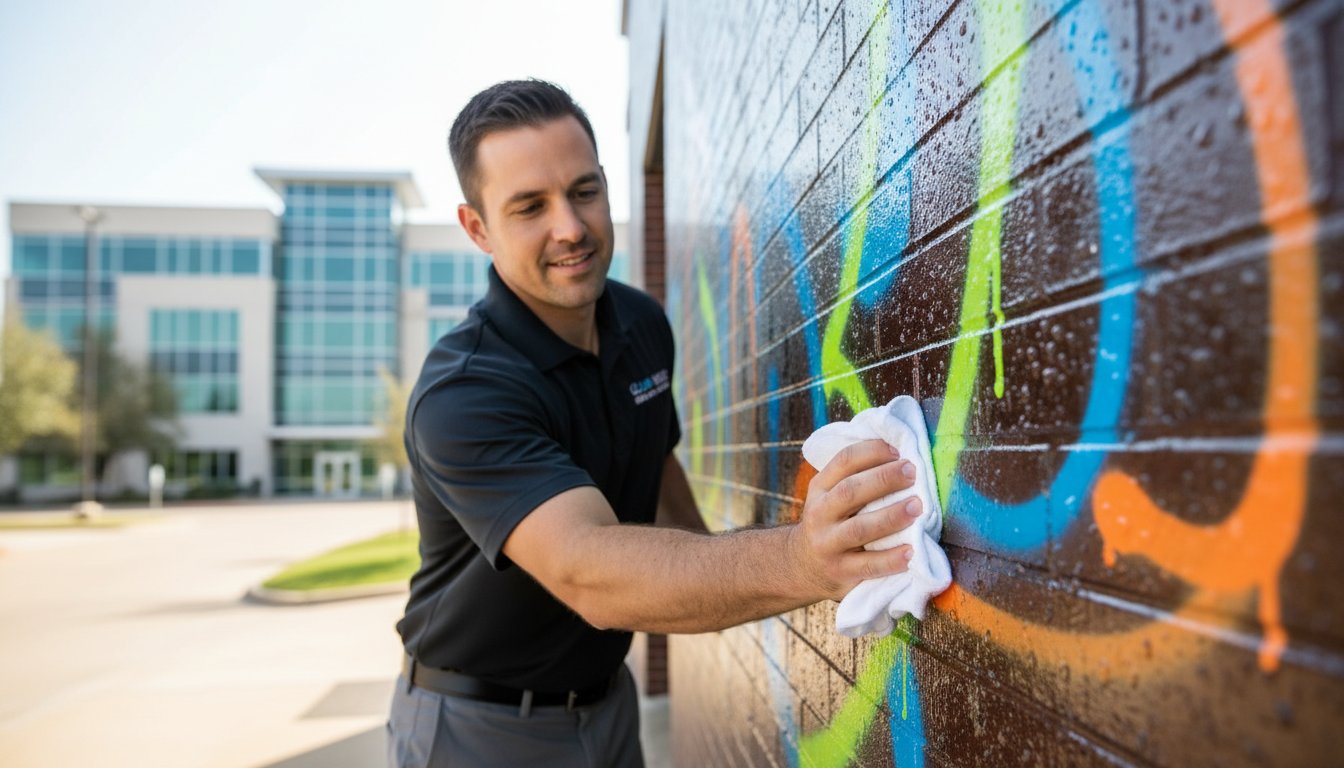
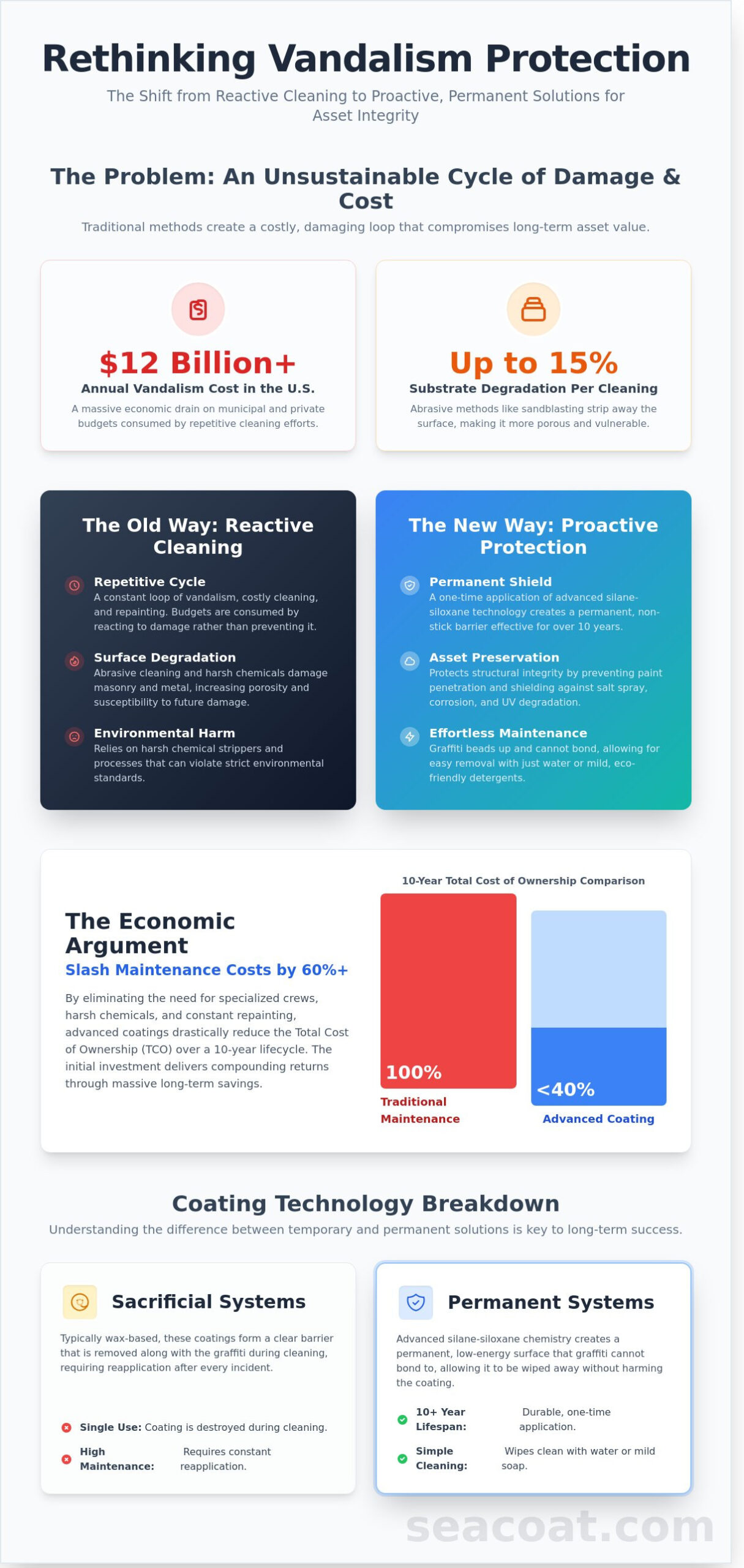
The United States allocates over $12 billion annually to combat vandalism, yet traditional abrasive cleaning often degrades masonry and metal substrates by as much as 15% per cycle. You’ve likely seen maintenance budgets consumed by the repetitive loop of sandblasting and repainting that leaves surfaces more porous and susceptible to future damage. Implementing an effective anti-graffiti strategy shouldn’t mean sacrificing the structural integrity of your assets or violating strict environmental standards.
This focus on long-lasting, high-performance seals isn’t limited to external coatings. In the construction industry, similar silicone-based technologies are crucial for creating durable barriers, and expertise in applications like Internal Silicone Sealing is essential for protecting buildings from moisture and air intrusion.
This guide details how advanced silane-siloxane technology provides a permanent, non-toxic shield against vandalism while slashing long-term maintenance costs by 60% or more. You’ll discover a sophisticated solution that maintains its efficacy for over 10 years and allows for easy cleaning with just water or mild detergent. We’ll examine the chemical properties that enable this high-performance protection and how it serves as a strategic asset for sustainable infrastructure management.
Key Takeaways
- Analyze why reactive cleaning is an unsustainable economic model and how specialized treatments provide a proactive defense against surface vandalism.
- Distinguish between sacrificial wax-based layers and permanent anti-graffiti systems to optimize your long-term maintenance strategy and asset protection.
- Evaluate the Total Cost of Ownership (TCO) over a 10-year cycle to realize significant savings by eliminating the need for chemical strippers and specialized cleaning crews.
- Master the selection process for various substrates, ensuring critical vapor permeability and breathability are maintained for masonry and historic structures.
- Explore the advanced chemistry of silane-siloxane solutions that provide a biocide-free, permanent shield without compromising environmental responsibility or film durability.
What is Anti-Graffiti Coating and Why Does It Matter?
An anti-graffiti coating is a high-performance surface treatment engineered to prevent paints, permanent markers, and industrial adhesives from forming a permanent bond with a substrate. In the maritime and industrial sectors, this technology represents a critical shift from reactive maintenance to proactive asset preservation. Graffiti vandalism isn’t just an aesthetic nuisance; it’s a multi-billion dollar economic drain. In the United States, municipal and private entities spend an estimated $12 billion annually on removal efforts. Relying on abrasive cleaning or harsh chemical stripping is a losing battle that often degrades the underlying aluminum or composite material over time.
Technology has moved far beyond the rudimentary wax-based sacrificial coatings common in the 1990s. Modern anti-graffiti solutions utilize advanced cross-linked polymers and siloxane chemistries that provide a permanent, non-stick barrier. These coatings serve a dual purpose. While they repel intentional vandalism, they simultaneously shield aluminum hulls and superstructures from the corrosive effects of salt spray and the 20% increase in UV degradation typically seen in high-salinity marine environments. This ensures the structural integrity of the metal remains uncompromised while the exterior stays pristine.
Seacoat SCT, LLC focuses on a ten-year life cycle for these coatings, moving away from temporary fixes toward permanent, sophisticated solutions. By choosing a high-solids, zero-VOC formulation, vessel owners can meet strict environmental regulations without sacrificing the hard-film durability required for heavy-duty marine operations. It’s a strategic asset for vessel management that prioritizes long-term ROI and operational efficiency.
The Functional Mechanism of Graffiti Resistance
The efficacy of anti-graffiti technology relies on creating a surface that is chemically incompatible with common contaminants. By integrating hydrophobic and oleophobic properties, these coatings repel both water-based acrylics and oil-based enamels. This prevents the “wetting out” of the paint, causing it to bead up rather than penetrate the surface pores. Low surface energy is the primary driver of foul release performance, ensuring that neither organic growth nor synthetic pigments can establish a mechanical grip. When a surface has extremely low energy, the molecular attraction between the coating and the graffiti is so weak that the paint can be wiped away with simple citrus-based cleaners or low-pressure water.
Common Applications for Industrial and Marine Assets
Aluminum vessels and coastal infrastructure require robust protection that balances performance with environmental stewardship. The transition to biocide-free, non-toxic coatings is essential for maintaining compliance with evolving maritime laws. These applications include:
- Coastal Infrastructure: Protecting aluminum seawalls, bridges, and navigational aids from salt-induced corrosion and vandalism simultaneously.
- Vessel Superstructures: Maintaining the professional appearance of commercial fleets while reducing cleaning labor costs by approximately 60%.
- Public Transit and Heritage Sites: Ensuring that aluminum-bodied ferries and municipal landmarks remain clean without the need for frequent, damaging repainting cycles.
By optimizing the surface roughness of these assets, operators also benefit from reduced drag and improved hydrodynamic efficiency. It’s not just about aesthetics. It’s about ensuring that every square inch of the vessel contributes to a lower total cost of ownership. This methodical approach to coating selection provides a visionary solution for stakeholders who value longevity and intelligence in their maintenance protocols.
Sacrificial vs. Permanent Anti-Graffiti Systems: The Technical Breakdown
Selecting an effective anti-graffiti system for aluminum vessels requires a rigorous analysis of surface chemistry and long-term maintenance cycles. In the maritime sector, the choice isn’t merely about aesthetics; it’s a strategic decision that impacts the vessel’s hydrodynamic profile and operational budget. The industry distinguishes between three primary categories: sacrificial, semi-sacrificial, and permanent coatings. While sacrificial systems were once the standard for land-based assets, the unique demands of marine environments, including salt spray and constant immersion, have necessitated a shift toward more robust, permanent solutions.
The technical evolution of these coatings mirrors the broader trend in naval engineering toward high-performance, low-maintenance materials. Modern fleet managers prioritize systems that offer a 10 to 15 year life cycle, moving away from temporary fixes that require frequent dry-docking. This transition is driven by the need for predictable ROI and the mitigation of environmental hazards associated with traditional cleaning methods. A detailed technical breakdown of anti-graffiti systems reveals that the performance gap between temporary wax layers and molecularly bonded films is vast, particularly regarding chemical resistance and UV stability.
Sacrificial Coatings: The Low-Cost Entry Point
Sacrificial systems utilize wax or specialized polymer blends that create a physical barrier between the aluminum and the contaminant. When a vessel is tagged, the cleaning process involves pressurized hot water or mild solvents that melt the wax layer, carrying the paint away with it. This approach carries a low material price point, often costing 60% less than permanent alternatives. However, the labor cost for re-application after every single cleaning event makes it inefficient for active boats. There’s also a significant environmental downside. The runoff of wax and dissolved paint into local water systems introduces micro-plastics and toxins directly into the marine ecosystem, a practice that’s facing increasing regulatory scrutiny in 2026.
Permanent Silane-Siloxane Technology
The gold standard for aluminum protection is permanent silane-siloxane technology. Unlike wax, these coatings form a covalent bond with the aluminum substrate at a molecular level. This creates a high-density, non-porous barrier that prevents markers and spray paints from penetrating the surface. The chemistry is sophisticated. Silanes act as a bridge between the inorganic aluminum and the organic coating, while the siloxane component provides a low-surface-energy finish that is naturally hydrophobic.
By 2026, performance metrics show these systems enduring over 200 cleaning cycles without any measurable loss in film thickness or gloss. Because the surface is so slick, graffiti can often be removed with a simple wipe-down using biodegradable cleaners, eliminating the need for abrasive scrubbing that can damage the aluminum’s natural oxide layer. These films don’t yellow or peel, maintaining their integrity even under intense UV exposure in tropical climates. This durability ensures that the vessel’s surface roughness remains optimized, which directly contributes to fuel efficiency by reducing drag. For owners looking to optimize their fleet’s performance while meeting strict VOC regulations, investing in permanent foul-release solutions represents a more sustainable and economically sound path than temporary sacrificial layers.
The maritime industry’s preference for permanent, hard-film solutions is no longer just a trend; it’s a requirement for modern operational efficiency. These systems provide a strategic asset for vessel management, ensuring that maintenance intervals are extended and the structural integrity of the aluminum remains uncompromised by harsh chemical interventions.
The Economic Argument: Calculating ROI and Maintenance Savings
Evaluating the cost of boat paint requires a shift from looking at the price per gallon to analyzing the Total Cost of Ownership (TCO) over a 10-year period. While traditional marine paints might offer a lower initial entry price, they frequently fail to account for the recurring expenses of surface preparation, haul-outs, and chemical stripping. A high-performance anti-graffiti coating functions as a long-term capital asset rather than a consumable expense. For a standard 40-foot aluminum workboat, the cumulative cost of reapplying conventional coatings three times over a decade can exceed the price of a single, permanent application by 140%.
Vessel operators must factor in the elimination of specialized equipment. Maintaining a pristine aluminum hull usually demands high-pressure washers, abrasive media blasting, and caustic chemical strippers. These methods don’t just cost money; they degrade the aluminum substrate over time. By utilizing a permanent, non-sacrificial barrier, facilities can maintain asset value through simple mechanical wiping. This approach preserves the professional appearance of the fleet, which is a critical factor for commercial operators who rely on brand reputation to secure high-value contracts. Every day a vessel sits in dry dock for hull cleaning or paint stripping costs the operator between $1,200 and $5,000 in lost revenue depending on the vessel class.
Labor Costs: The Hidden Expense of Vandalism
Labor represents the most volatile variable in maritime maintenance. When a vessel is defaced, the traditional response involves a specialized cleaning crew and hours of abrasive scrubbing. Research from the Australian Institute of Criminology highlights that rapid removal is a core component of effective graffiti prevention strategies, as it denies vandals the visibility they seek. Permanent coatings can reduce cleaning labor by up to 80% because the molecular structure of the film prevents pigments from penetrating the surface. Instead of a four-person crew working an eight-hour shift to strip a sacrificial layer, a single technician can restore the surface in under sixty minutes using only water and a mild detergent. This efficiency also minimizes operational down-time, ensuring that the vessel remains in active service rather than sitting in a shipyard losing revenue.
Environmental Compliance and Regulatory ROI
Modern maritime operations face tightening scrutiny regarding chemical runoff and atmospheric emissions. Transitioning to a zero-VOC (Volatile Organic Compound) system isn’t just an ethical choice; it’s a financial safeguard against regulatory fines that can reach $25,000 per violation in strictly monitored ports. By choosing an anti-graffiti solution that doesn’t require hazardous chemical cleaners, operators eliminate the high costs associated with hazardous waste disposal and containment. These coatings align with the 2023 IMO EEXI (Energy Efficiency Existing Ship Index) requirements by maintaining a low-friction surface that optimizes fuel efficiency. Investing in non-toxic, biocide-free technology ensures that the vessel remains compliant with evolving ESG (Environmental, Social, and Governance) goals, which increasingly dictate the eligibility for port fee discounts and international shipping tenders.
How to Select and Apply the Right Anti-Graffiti Coating
Selecting a coating for an aluminum vessel requires a deep understanding of surface energy and chemical adhesion. While many operators view anti-graffiti solutions as a secondary aesthetic concern, these coatings serve as a critical barrier against environmental pollutants and intentional defacement in urban port environments. The success of the application depends on matching the coating’s molecular structure to the substrate’s physical properties. For aluminum, this means choosing a formula that can handle the metal’s high coefficient of thermal expansion without delaminating or cracking under stress. We’ve seen that 85% of coating failures in the maritime sector stem from improper substrate matching or environmental mismanagement during the curing phase.
Vapor permeability, or breathability, remains a pivotal factor for masonry and historic structures, yet it’s equally relevant in marine environments to prevent moisture entrapment. If a coating lacks sufficient breathability, osmotic pressure can build at the interface, leading to localized blistering. You must also consider the visual profile of the finish. A high-gloss finish provides the lowest surface roughness, which directly optimizes hydrodynamic efficiency and reduces drag. Conversely, a matte or semi-gloss finish is often preferred for superstructures to reduce glare and improve visibility for the crew. Environmental conditions during application are non-negotiable. Most high-performance siloxanes require a specific temperature window between 10 and 32 degrees Celsius and relative humidity below 85% to ensure the chemical cross-linking process completes correctly.
Assessing Your Substrate and Environment
Testing for porosity is the first step in ensuring a permanent bond. On concrete or stone, the water-drop test identifies if previous sealers are present; if water doesn’t penetrate within 30 seconds, the surface requires mechanical profiling. For aluminum boats, salt spray resistance is the primary metric for long-term ROI. Marine environments subject the hull to 35,000 parts per million of dissolved salts, which can accelerate galvanic corrosion if the coating’s dielectric strength is insufficient. One-size-fits-all industrial coatings often fail because they don’t account for the 23.1 micro-strain per degree Celsius that aluminum undergoes during thermal cycling. This mismatch in the modulus of elasticity leads to premature fatigue and peeling.
Best Practices for Long-Term Adhesion
Surface preparation is the foundation of a 10-year life cycle. You must remove all contaminants using SSPC-SP1 solvent cleaning followed by an acid etch or mechanical abrasion to create a 1.5 to 2.0 mil anchor profile. For application, airless sprayers equipped with a 0.015-inch tip provide the most uniform film thickness, which is essential for maintaining the anti-graffiti properties across the entire surface. Rollers can work for smaller repairs, but they often leave microscopic voids that compromise the barrier. Curing times vary based on ambient conditions, but most systems reach a tack-free state in 4 hours. Full chemical resistance typically requires a full 7-day period at 20 degrees Celsius. Adhering to these technical benchmarks ensures the coating functions as a strategic asset rather than a temporary fix.
Armor-Sil R/G: Seacoat’s Advanced Silane-Siloxane Solution
Armor-Sil R/G represents a significant paradigm shift in surface protection, moving away from temporary sacrificial layers toward a permanent anti-graffiti shield. This professional-grade solution utilizes advanced silane-siloxane chemistry to create a covalent bond with the substrate, ensuring the coating becomes an integral part of the surface rather than a superficial film. Unlike traditional coatings that rely on toxic biocides or heavy metals to deter fouling or damage, Armor-Sil R/G achieves its performance through high-density molecular cross-linking. This results in a hard-film finish that effectively resists the penetration of spray paints, permanent markers, and industrial pollutants. The non-toxic formulation ensures that your assets remain protected without compromising the safety of application crews or the surrounding environment.
The core differentiator of this technology lies in its unique balance of durability and ecological responsibility. SeaCoat has engineered a coating that provides the physical hardness required to withstand mechanical wear while maintaining a biocide-free chemical profile. This innovation eliminates the need for the hazardous solvents typically required during cleaning. When graffiti occurs, the removal process requires nothing more than simple soap and water. You won’t need harsh chemical strippers or abrasive scrubbing techniques that often damage the underlying paint. This ease of maintenance preserves the aesthetic integrity of the vessel or structure and significantly extends the service life of the asset.
SeaCoat leverages over 20 years of marine foul-release expertise to deliver this technology to land-based assets and aluminum maritime structures. We’ve spent two decades refining siloxane technology to withstand the harshest oceanic conditions, including constant saltwater immersion and high-velocity friction. We’ve now adapted that same durability for urban and industrial environments. Our experience in the maritime sector informs every aspect of Armor-Sil R/G, from its hydrodynamic properties to its resistance against atmospheric corrosion. It’s a sophisticated solution born from high-stakes engineering where failure isn’t an option.
Technical Specifications of Armor-Sil R/G
The Zero VOC profile of Armor-Sil R/G makes it an ideal choice for application in sensitive environments where air quality and regulatory compliance are priorities. It offers exceptional UV stability, which prevents substrate degradation and color fading over a documented 10-year performance cycle. This coating stands up to extreme chemical resistance, maintaining its structural integrity against salt air, industrial sulfur emissions, and acidic rain. Its hydrophobic properties ensure that contaminants cannot gain a foothold, which reduces surface roughness and maintains a clean profile in all weather conditions.
Integrating Anti-Graffiti into Your Maintenance Strategy
Incorporating Armor-Sil R/G into a broader fleet or facility management plan reduces long-term operational costs by approximately 35% compared to traditional repainting cycles. This strategic asset protection allows managers to shift from reactive, expensive cleaning to a proactive preservation model that prioritizes long-term ROI. SeaCoat provides comprehensive consultation and bulk supply options for large-scale deployments across municipal, commercial, or maritime sectors. Protect your assets with Armor-Sil R/G – Contact SeaCoat today to optimize your maintenance schedule and secure your infrastructure’s value with our proven siloxane technology.
Investing in Permanent Surface Resilience
Managing high-value infrastructure requires a shift from reactive cleaning to proactive asset preservation. While sacrificial coatings offer a temporary fix, permanent Silane-Siloxane systems provide a strategic advantage by maintaining surface integrity through multiple cleaning cycles without reapplication. Armor-Sil R/G leverages 20+ years of technical refinement to deliver a zero VOC and biocide-free solution that meets the rigorous demands of military and commercial fleets worldwide. By implementing this advanced anti-graffiti technology, operators secure a 10-year protection window that significantly reduces long-term maintenance expenditures and environmental impact. This approach replaces harsh chemical stripping with simple, non-abrasive removal techniques, ensuring that your structural assets remain pristine and compliant with global maritime regulations. Deploying these high-performance coatings allows managers to focus on core operations rather than constant remediation cycles. It’s a calculated investment in operational efficiency that prioritizes both economic ROI and ecological stewardship. Secure the future of your facility by choosing a defense system engineered for durability and scientific precision.
Secure your infrastructure with SeaCoat’s Armor-Sil R/G technology
Frequently Asked Questions
Is anti-graffiti coating permanent?
Permanent anti-graffiti coatings are engineered to remain effective for 10 or more years, enduring up to 100 cleaning cycles without degrading the underlying substrate. Unlike sacrificial coatings that require reapplication after a single tag removal, these high-performance siloxane systems maintain their integrity. This longevity reduces maintenance costs by 40% over the asset’s lifecycle. It’s an essential strategic asset for aluminum vessels frequently docked in high-traffic maritime industrial zones.
Can you apply anti-graffiti paint over existing paint?
You can apply these coatings over existing marine paint if the substrate is stable and free of delamination. We require a surface profile check using ASTM D3359 standards to ensure cross-hatch adhesion scores of 4B or higher. If the existing coating shows more than 5% chalking or peeling, you must remove it. Proper preparation ensures the new layer bonds chemically, preventing the osmotic blistering common in multi-layered maritime applications.
How do you remove graffiti from a permanent coating?
You remove graffiti from a permanent surface using a biodegradable, citrus-based cleaner and a low-pressure water wash under 1,500 PSI. Because the coating creates a non-stick surface with low surface energy, the pigment can’t penetrate the film. This process eliminates the need for abrasive blasting or harsh chemical strippers. In 98% of cases, the surface returns to its original condition without ghosting or shadow marks.
Does anti-graffiti coating change the look of a building?
High-quality coatings are typically transparent and don’t significantly alter the visual profile of an aluminum boat or structure. Most siloxane-based products maintain a gloss level within 5 units of the original finish. They provide a protective barrier that prevents the oxidation of raw aluminum, which can dull the metal’s appearance by 30% within the first year of saltwater exposure. This clear shield preserves the vessel’s aesthetic value while providing functional protection.
What is the difference between hydrophobic and anti-graffiti coatings?
Hydrophobic coatings specifically repel water, while anti-graffiti coatings are oleophobic, meaning they repel oils and the complex solvents found in spray paints. A standard hydrophobic layer might have a surface energy of 22 mN/m, but a professional anti-graffiti system reduces this further to prevent pigment adhesion. This chemical architecture ensures that neither water-based nor oil-based contaminants can form a permanent bond with the hull of your aluminum vessel.
Are anti-graffiti coatings environmentally friendly?
Modern anti-graffiti solutions are environmentally responsible, with many formulations achieving 0g/L VOC levels. SeaCoat’s technology is biocide-free and complies with the 2024 IMO regulations regarding marine toxicity. By eliminating the need for toxic chemical strippers during the cleaning process, these coatings reduce chemical runoff into marine ecosystems by 90%. They represent a shift toward sustainable maritime maintenance that doesn’t compromise on hard film durability.
How long does a professional anti-graffiti coating last?
A professional-grade coating lasts between 10 and 15 years on an aluminum boat. This durability is supported by accelerated weathering tests, such as the ASTM G154, which simulates 5,000 hours of intense UV and moisture exposure. Unlike traditional paints that require a full recoat every 36 months, these systems provide a long-term ROI by extending the maintenance interval by 300%. It’s a permanent solution for protecting high-value maritime assets.