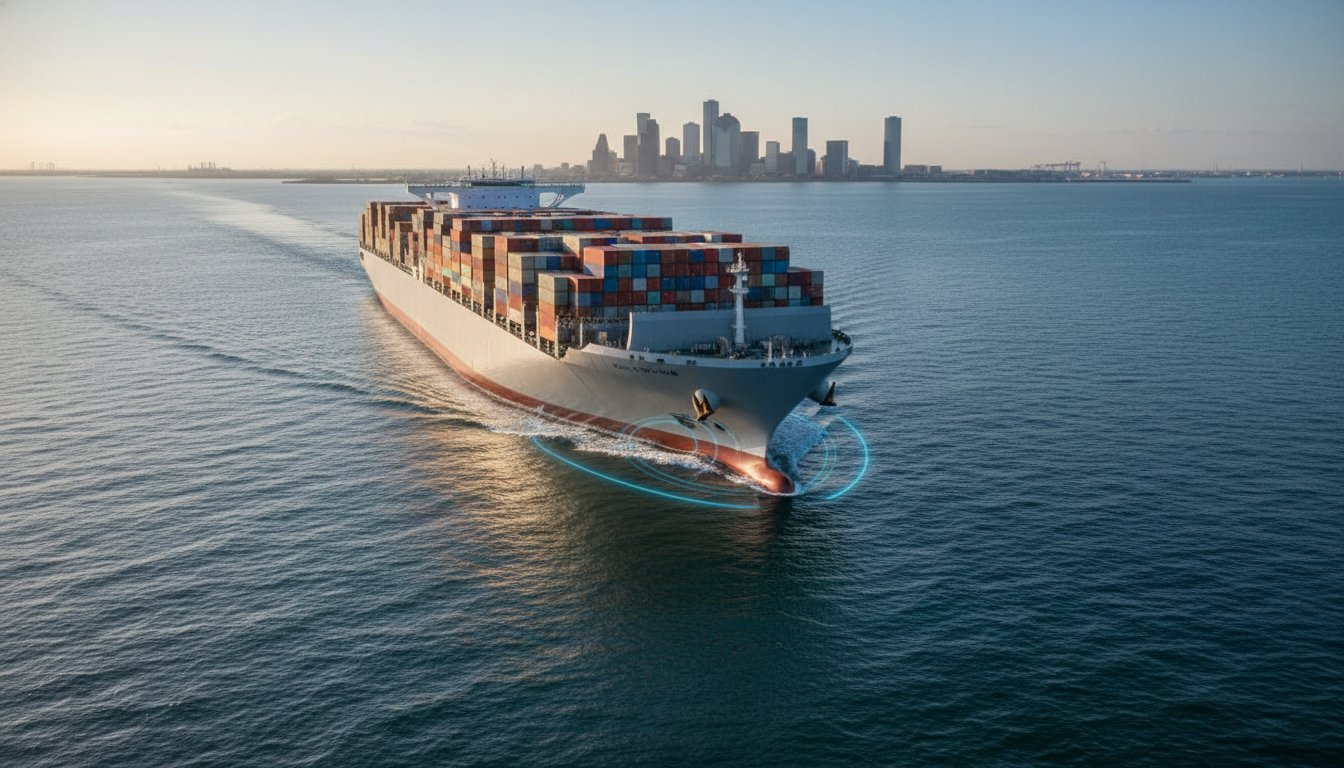
The convergence of escalating fuel costs, stringent carbon levies, and tightening regulations against toxic biocides presents an unprecedented operational challenge for fleet managers. Traditional antifouling systems, with their frequent maintenance cycles and reliance on ablative, biocide-leaching mechanisms, are no longer a viable long-term strategy. The maritime industry now stands at a critical juncture where sustainable performance is not an option but a strategic imperative, demanding a fundamental shift toward advanced surface technologies like low friction coatings.
This article provides a detailed analysis of the hydrodynamic principles and advanced polymer science that define this new class of foul-release systems. We will explore how engineering an ultra-smooth, non-toxic hull surface fundamentally mitigates drag, directly translating into significant reductions in fuel consumption and emissions. Discover the data-backed pathway to achieving full regulatory compliance while extending dry-dock intervals to a decade, transforming a recurring maintenance liability into a long-term strategic asset for your fleet.
Key Takeaways
- Grasp the fundamental difference between hydrodynamic and mechanical friction to better evaluate modern hull coating performance.
- Learn how advanced silane-siloxane chemistry creates a hydrophobic surface, directly impacting a vessel’s hydrodynamic profile and fuel efficiency.
- Evaluate the operational trade-offs between hard-film low friction coatings and alternative systems by comparing their friction coefficients, durability, and environmental profiles.
- Quantify the direct impact of reduced hydrodynamic drag on fuel consumption and see how it aligns your fleet with decarbonization mandates like EEXI and CII.
What Are Low Friction Coatings in a Maritime Context?
In the maritime industry, low friction coatings are specialized, high-performance surface treatments engineered to minimize the resistive forces between a vessel’s hull and the water. This is not a matter of simple mechanical friction, or tribology, but a complex challenge in hydrodynamic friction-the drag generated as a fluid moves across a surface. The primary objective is to create an ultra-smooth, low-energy surface that discourages adhesion. By lowering the surface energy, these coatings prevent ‘sticky’ interactions not only with water molecules but also with the marine organisms that constitute biofouling. This functionality is defined by the principle of ‘foul release,’ where the hydrodynamic forces of the vessel’s own movement are sufficient to detach any settled organisms, ensuring the hull remains clean and hydrodynamically efficient.
The Physics of Hydrodynamic Drag
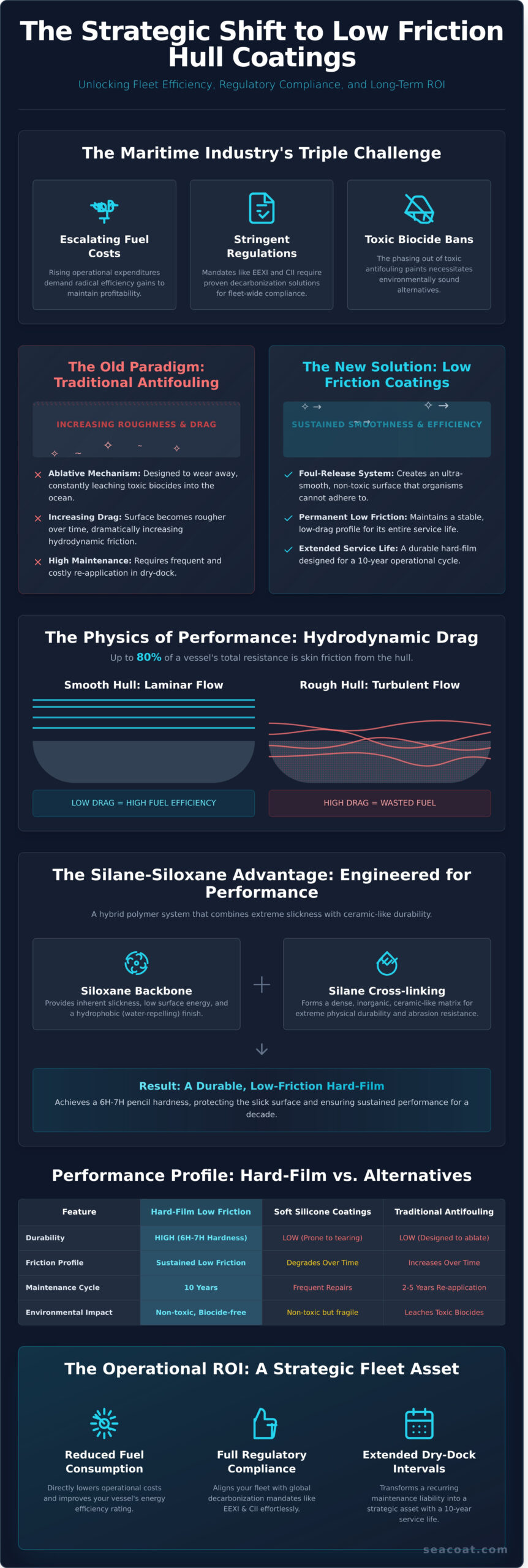
For a large commercial vessel, skin friction resulting from the interaction between the hull and the water can account for up to 80% of its total resistance. This drag occurs within the ‘boundary layer,’ a thin layer of fluid directly adjacent to the hull. A smooth surface promotes laminar flow within this layer, allowing water to pass with minimal disruption. Conversely, surface imperfections disrupt this flow, creating turbulence that significantly increases drag. Surface roughness, measured in microns (μm), has a direct and quantifiable correlation to increased fuel consumption and operational expenditure.
From Lubricants to Permanent Films
The evolution of friction reduction has moved from temporary solutions to permanent, integrated systems. Early methods involved dry-film lubricants like tungsten disulfide (WS₂) or molybdenum disulfide (MoS₂), which offer excellent lubricity but lack the durability for long-term marine immersion. In contrast, traditional ablative anti-fouling paints, while effective at preventing biofouling, are designed to wear away, creating an increasingly rough and uneven surface that elevates hydrodynamic drag over time. The industry’s strategic shift is toward non-depleting, hard-film technologies that provide a permanent, low-friction surface. These advanced coatings are based on sophisticated polymer chemistry, and understanding The Science of Silane-Siloxane systems is key to appreciating how they maintain a stable, ultra-smooth finish for a ten-year operational cycle, delivering sustained efficiency and a verifiable return on investment.
The Science of Silane-Siloxane: How Low Friction Works
The performance of advanced marine coatings is not a matter of simple chemistry, but of sophisticated molecular engineering. At the core of today’s most effective low friction coatings lies a silane-siloxane hybrid system-a technology designed to resolve the historic trade-off between a slick surface and a durable one. This architecture creates a non-toxic, foul release surface that maintains its integrity against the mechanical stresses of the maritime environment for a full ten-year operational lifecycle.
Surface Energy and Non-Polarity
The fundamental principle behind foul release is the creation of a low-energy, non-polar surface. Marine organisms, from biofilms to barnacles, adhere to hulls using polar protein-based adhesives. Our silane-siloxane coating presents a chemically inert, hydrophobic surface that offers no compatible bonding sites for these adhesives. The flexible siloxane backbone of the polymer provides the inherent slickness, while the overall non-polar nature facilitates a ‘self-cleaning’ effect. At operational speeds, hydrodynamic forces alone are sufficient to shear away any weakly attached organisms, mitigating biofouling without biocides.
Durability vs. Slickness: The Engineering Balance
While traditional soft silicone coatings offer low initial friction, their mechanical fragility renders them a high-maintenance liability. They are notoriously susceptible to:
- Tearing and abrasion from fenders, anchors, and ice.
- “Ghosting,” where the coating delaminates under pressure.
- Accelerated degradation requiring frequent and costly repairs.
Our hard-film technology overcomes this critical vulnerability. The silane component of the hybrid system cross-links during the curing process, forming a dense, inorganic ceramic-like matrix with a pencil hardness of 6H-7H. This robust structure protects the slick siloxane surface from physical damage. Consequently, a hard-film coating maintains a smoother, lower-friction profile over its entire service life, delivering more predictable and sustained fuel efficiency than a soft silicone system that degrades with every voyage.
Interestingly, similar principles of advanced material science are applied in other high-performance sectors. For example, the automotive industry also relies on specialized components to manage extreme forces and ensure peak performance. Enthusiasts looking for such technology often discover Brakes4uSG, a specialist in high-performance brake systems.
This same focus on performance through advanced materials is mirrored in the world of competitive sports. Just as a specialized coating reduces hydrodynamic drag for a vessel, high-tech fabrics are engineered to support athletes and optimize their efficiency. For those interested in how material science enhances human potential, it’s fascinating to explore Compression Clothing.
This same principle of applying a specialized surface to enhance a vehicle’s performance extends to the commercial world on land. While a ship’s coating is designed for hydrodynamic efficiency, businesses optimize their fleets for marketing efficiency. For example, by using commercial vehicle wraps San Diego, companies can transform their standard vans and trucks into powerful, mobile advertising assets, demonstrating how a specialized surface can drive business growth.
Comparing Low Friction Technologies: Hard-Film vs. Alternatives
By 2026, the maritime industry’s approach to hull protection has fundamentally shifted. Escalating environmental regulations and stringent port restrictions have transitioned biocide-free coatings from an ethical choice to a baseline operational requirement. This evolution has clarified the three primary technology streams available: legacy biocidal antifouling paints, first-generation soft silicone foul release systems, and advanced hard-film siloxane coatings. Each presents a distinct profile when evaluated on the critical metrics of friction coefficient, long-term durability, and environmental compliance.
The imperative to move beyond biocide-leaching systems is no longer debatable; it is a matter of regulatory survival and corporate responsibility. This shift has placed intense focus on the performance and longevity of alternative technologies, revealing critical differences among them.
Hard-Film Siloxane vs. Soft Silicone
While both fall under the ‘foul release’ category, the primary distinction lies in their mechanical resilience. Soft silicone coatings, while offering a low-energy surface, are highly susceptible to damage from routine operations like docking, fendering, debris strikes, and ice abrasion. This vulnerability leads to an accumulation of micro-tears over time, which compromises the hull’s hydrodynamic profile and increases drag. In stark contrast, hard-film siloxane systems are engineered for the operational realities of commercial shipping, providing a robust, non-pliable surface that resists mechanical damage and facilitates effective in-water cleaning without risk of delamination.
Foul Release vs. Traditional Antifouling
The foundational difference here is one of mechanism and lifespan. Traditional antifouling paints function by continuously leaching heavy metal biocides, such as copper, into the marine environment-a practice now facing global prohibition. Their efficacy is finite, diminishing as the active ingredients ablate and the paint film erodes. Foul release systems, including all modern low friction coatings, operate on a physical principle, creating an ultra-slick surface that prevents bio-adhesion. This non-depleting mechanism ensures consistent performance and a superior return on investment, as the coating remains effective for its entire ten-year service life without polluting marine ecosystems.
This analysis underscores a critical industry misconception: not all foul release coatings are created equal. While both soft and hard-film systems eliminate biocides, only hard-film technology delivers the synthesis of a stable, low-friction surface with the mechanical durability required for sustained operational efficiency and long-term asset protection.
Operational ROI: Fuel Savings and Decarbonization
While the physical durability of a hull coating is critical, its true value is measured in operational performance and long-term return on investment. A hydrodynamically efficient hull directly translates into reduced fuel consumption and, consequently, a significant mitigation of greenhouse gas (GHG) emissions. This dual benefit addresses both the immediate financial pressures of fuel costs and the strategic imperative of decarbonization, positioning advanced hull coatings as a cornerstone of modern fleet management.
Investing in superior low friction coatings allows operators to achieve greater schedule integrity, enabling practices like ‘slow steaming’ to further reduce fuel burn without compromising arrival times. This operational flexibility is a tangible competitive advantage in a market increasingly defined by efficiency and environmental stewardship.
Calculating the Fuel Efficiency Gain
The correlation between frictional drag and fuel consumption is a fundamental principle of naval architecture. A 10% reduction in total hull drag can yield a fuel savings of approximately 5-8%, a substantial figure when scaled across a fleet. This efficiency gain has a direct and positive impact on a vessel’s standing within global regulatory frameworks:
- Energy Efficiency Existing Ship Index (EEXI): A smoother hull improves the vessel’s attained EEXI, helping it meet its one-time certification requirement without costly engine power limitations (EPL) or other retrofits.
- Carbon Intensity Indicator (CII): By preventing the biofouling and degradation that increases drag over time, a durable, slick coating ensures the vessel maintains a favorable CII rating (A, B, or C) year after year, avoiding operational penalties.
Extending Dry-Dock Intervals
The financial calculus extends far beyond fuel. Hard film coatings with a proven 10-year performance life fundamentally alter a vessel’s maintenance profile, eliminating two full dry-docking cycles compared to conventional 3-year antifouling systems. This transition delivers immense savings by reducing the costs associated with yard fees, material, labor, and, most critically, ‘out-of-service’ time. Maximizing a vessel’s operational availability directly enhances fleet profitability and asset utilization. For a deeper analysis of coating longevity, consult our Guide to Advanced Marine Hull Coatings.
Ultimately, the choice of hull coating is a strategic decision that impacts every facet of vessel operation. The quantifiable reduction in fuel consumption and GHG emissions serves as a powerful corporate ESG win, demonstrating a proactive commitment to a sustainable maritime future.
Sea-Speed V 10 X Ultra: The Pinnacle of Low Friction Technology
In the comparative analysis of marine hull coatings, Sea-Speed V 10 X Ultra emerges as the definitive industry standard for hard-film siloxane technology. This advanced solution transcends the limitations of conventional soft silicone coatings by delivering a durable, non-toxic, and exceptionally smooth surface engineered for long-term operational efficiency. Its proprietary ‘V 10 X’ chemistry establishes a new benchmark for performance, providing a service life exceeding 10 years with a single application. Critically, Sea-Speed V 10 X Ultra is a Zero VOC (Volatile Organic Compound) formulation, ensuring full environmental compliance without compromising on hydrodynamic performance. Its proven success across demanding commercial, military, and high-performance pleasure craft sectors validates its position as a superior strategic asset for any maritime operation.
Unrivaled Surface Smoothness
The core of V 10 X Ultra’s effectiveness lies in the extremely low surface roughness achieved post-application, a critical factor in mitigating hydrodynamic drag. The hard-film finish cures to a glass-like surface that significantly reduces friction between the hull and water. For racing and high-performance hulls where every fraction of a knot is critical, the ‘Ultra Clear’ version offers maximum smoothness and aesthetic integrity. This hard, non-porous surface is not only efficient in motion but also simplifies hull maintenance, as marine growth can be easily removed without damaging the coating.
A Strategic Asset for Fleet Management
Beyond its technical specifications, V 10 X Ultra provides a clear and measurable return on investment. Case studies from large-scale fleet deployments consistently demonstrate significant fuel savings, directly attributable to the drag reduction provided by one of the market’s most advanced low friction coatings. Unlike complex, multi-coat soft silicone systems that require precise atmospheric conditions and extended curing times, Sea-Speed V 10 X Ultra’s single-coat application streamlines the dry-docking process, reducing vessel downtime and labor costs. This combination of durability, efficiency, and simplified logistics makes it an indispensable tool for modern fleet optimization. Optimize your fleet’s performance with Sea-Speed V 10 X Ultra.
The Strategic Imperative of Advanced Hull Coatings
The evolution toward operational excellence and environmental stewardship in the maritime sector is no longer a distant goal but a present-day necessity. As we have explored, the science of silane-siloxane hard-film technology provides a definitive advantage, transforming a vessel’s hull into a strategic asset for hydrodynamic efficiency. These advanced low friction coatings deliver a measurable ROI through substantial fuel savings and decarbonization, far surpassing the performance and lifecycle of traditional anti-fouling systems.
Trusted by premier military and commercial fleets worldwide, Sea-Speed V 10 X Ultra exemplifies this technological pinnacle. It proves that a 10-year lifecycle performance can be achieved without ecological compromise, offering a certified Zero VOC and non-toxic solution. To calculate the precise impact on your fleet’s operational budget and environmental footprint, we invite you to request a technical consultation for your fleet.
Embrace the next decade of maritime innovation and efficiency. The future of your fleet’s performance is ready to be applied.
Frequently Asked Questions About Low Friction Hull Coatings
How do low friction coatings differ from traditional antifouling paint?
Traditional antifouling paints function by leaching biocides, such as cuprous oxide, into the marine environment to poison fouling organisms. In contrast, foul-release low friction coatings operate on a physical principle. They create an ultra-smooth, low-energy surface to which marine life cannot firmly adhere. Any accumulated biofouling is typically dislodged by the vessel’s movement through the water, a mechanism known as “self-cleaning.” This fundamental difference shifts the strategy from chemical deterrence to hydrodynamic management.
Can low friction coatings be applied to aluminum or carbon fiber hulls?
Yes, hard-film siloxane coatings are exceptionally well-suited for non-ferrous substrates like aluminum and composite materials such as carbon fiber. Unlike traditional copper-based antifouling systems that can induce galvanic corrosion on aluminum hulls, our biocide-free formulations are chemically inert. This eliminates the risk of substrate degradation, making them the superior and safer choice for high-performance aluminum vessels, multihulls, and advanced composite craft where material integrity is paramount for structural and operational longevity.
What is the expected lifespan of a hard-film siloxane coating?
The operational lifespan of a hard-film siloxane coating, such as Sea-Speed V 10 X Ultra, is engineered for a minimum of ten years. This durability is a result of its robust chemical cross-linking and exceptional abrasion resistance, which prevents the coating from polishing or ablating over time like conventional paints. This longevity provides a significant return on investment by drastically reducing the frequency of dry-docking cycles required for hull recoating, a major operational expense.
How much fuel can a commercial ship save by using low friction coatings?
Commercial vessels can achieve significant fuel savings, typically ranging from 6% to 12%, by transitioning to a high-performance, low friction coating. The reduction in hydrodynamic drag created by the ultra-smooth surface directly correlates to lower engine power requirements to maintain a set speed. For a large container ship or tanker, this translates into substantial annual savings in fuel costs and a corresponding reduction in greenhouse gas emissions, directly impacting operational profitability and environmental compliance.
Are low friction coatings environmentally friendly and biocide-free?
Yes, our hard-film siloxane coatings are fundamentally designed for environmental stewardship. They are 100% biocide-free, containing no copper, zinc, or other toxic compounds that harm marine ecosystems. Furthermore, they are formulated with zero Volatile Organic Compounds (VOCs), eliminating the release of harmful air pollutants during application. This non-toxic, non-leaching profile ensures full compliance with the most stringent global environmental regulations and positions them as the responsible choice for sustainable maritime operations.
Do these coatings require special equipment for in-water cleaning?
While many soft silicone coatings are easily damaged by aggressive cleaning, our hard-film siloxane technology is robust enough to withstand standard in-water cleaning methods. It is compatible with a range of tools, including multi-brush carts and diver-operated rotary brushes with specific polypropylene bristles. The coating’s exceptional durability mitigates the risk of damage during routine hull husbandry, ensuring that performance can be maintained without requiring delicate or highly specialized, cost-prohibitive equipment.
What is the impact of low friction coatings on a vessel’s EEXI rating?
The application of advanced low friction coatings has a direct and positive impact on a vessel’s Energy Efficiency Existing Ship Index (EEXI) rating. By significantly reducing hydrodynamic drag, the coating lowers the required engine power and, consequently, fuel consumption and CO2 emissions. This improvement in vessel efficiency is a recognized technical measure for EEXI compliance, helping shipowners meet or exceed IMO 2023 targets without necessitating costly engine modifications or power limitations.
Is Sea-Speed V 10 X Ultra suitable for high-speed military craft?
Sea-Speed V 10 X Ultra is an optimal coating solution for high-speed military and patrol craft. Its hard, durable surface provides superior abrasion and impact resistance, which is critical during high-velocity operations and frequent deployment cycles. The coating’s ability to maintain a smooth, foul-free surface ensures that design speed and maneuverability are not compromised by biofouling drag. This makes it a strategic asset for naval applications where peak performance and operational readiness are non-negotiable.