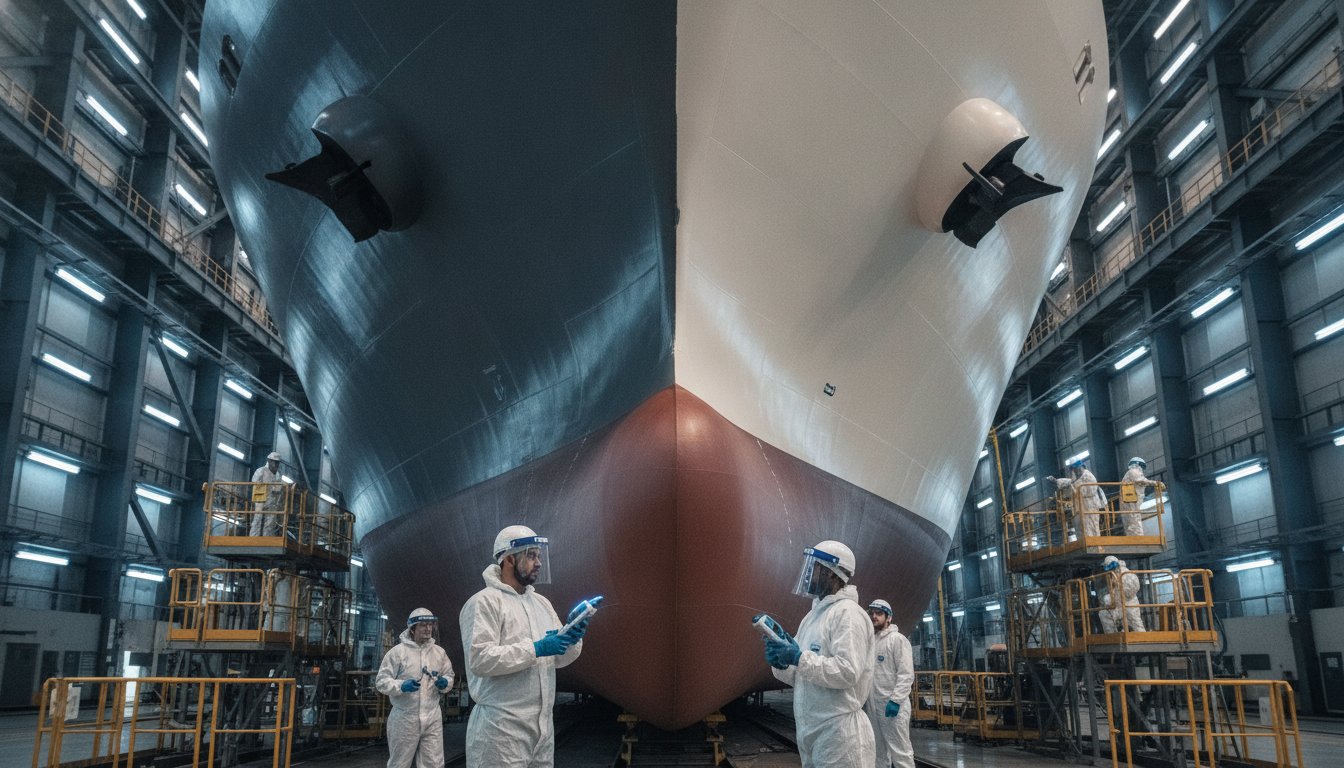
With the global cost of corrosion now exceeding $3 trillion annually, the margin for error in marine asset protection has effectively vanished. For many operators, the high costs of unscheduled dry-docking and the fuel penalties associated with hull roughness are treated as unavoidable overhead. However, avoiding the risk of coating failure is not a matter of chance; it’s a matter of shifting from sacrificial, soft-film chemistries toward permanent, hard-film technologies. You’ve likely felt the pressure of tightening regulations, such as the 2026 IMO ban on PFOS-containing foams and stricter copper discharge limits in regions like California’s Marina del Rey.
This guide provides a deep dive into the scientific mechanisms that cause traditional coatings to degrade and the strategic protocols required to ensure long-term hull performance. You’ll discover how choosing the right silane-siloxane system can extend your vessel’s service life and significantly reduce frictional drag. We’ll explore the technical transition toward zero-failure applications that prioritize both operational efficiency and environmental stewardship. By moving beyond temporary fixes, you can secure a strategic asset that delivers a measurable return on investment through every maintenance cycle.
Key Takeaways
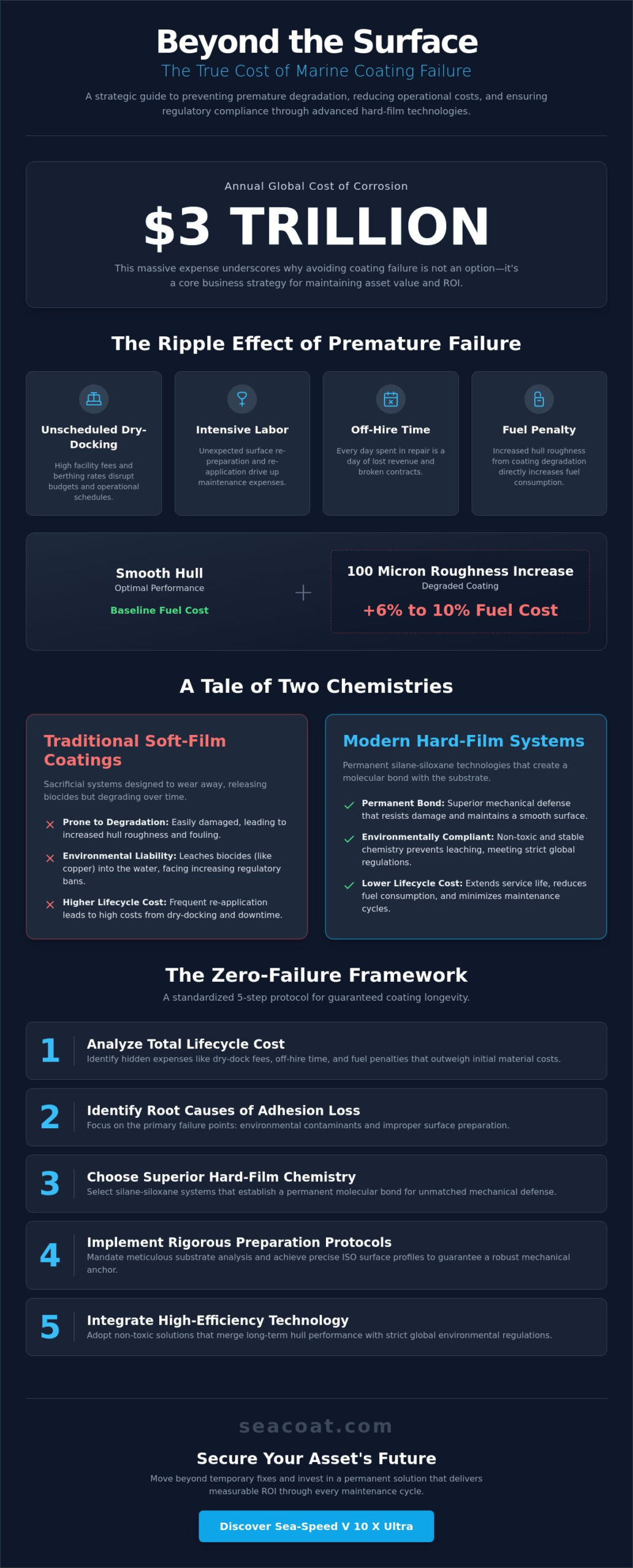
- Analyze the total lifecycle cost of marine assets by identifying hidden expenses, such as dry-dock fees and off-hire time, that far outweigh initial material costs.
- Identify the primary environmental and preparation-based root causes of adhesion loss to implement strategies for avoiding the risk of coating failure during critical maintenance windows.
- Explore how silane-siloxane hard-film chemistries establish permanent molecular bonds with the substrate, providing a superior mechanical defense compared to soft-silicone systems.
- Implement a standardized five-step prevention protocol that emphasizes rigorous substrate analysis and the achievement of precise ISO surface profiles for guaranteed coating longevity.
- Discover how non-toxic, high-efficiency technologies like Sea-Speed V 10 X Ultra integrate long-term hull performance with strict global environmental regulations.
The Critical Impact of Marine Coating Failure on Vessel ROI
Marine coating failure is often misunderstood as a purely cosmetic issue or a total delamination event. In high-stakes maritime operations, failure is more accurately defined as the loss of protective or functional properties before the intended service life concludes. This premature degradation creates a cascade of financial liabilities that extend far beyond the initial procurement price of the paint. When a coating system fails to maintain its hydrodynamic profile, the resulting increase in surface roughness forces the propulsion system to work harder, consuming more fuel to maintain the same speed. Avoiding the risk of coating failure is therefore a strategic necessity for maintaining a vessel’s long-term return on investment.
Economic Consequences of Premature Degradation
The hidden costs of a failed coating system are often concentrated in the dry-docking process. While the material cost of the coating might represent only a small fraction of the total budget, the true expenses lie in the operational disruptions required to fix a failing system. These costs include:
- Dry-docking facility fees and daily berthing rates.
- Intensive labor required for unexpected surface preparation and re-application.
- Significant loss of revenue during off-hire time.
- Compounded fuel expenses due to increased frictional drag.
Surface condition is the primary driver of hull efficiency. Scientific studies indicate that a 100-micron increase in average hull roughness can lead to a 6% to 10% increase in required power, directly translating to higher fuel costs. The performance gap in commercial shipping represents the widening margin between a vessel’s design-phase fuel efficiency and its real-world consumption as the hull coating degrades. This gap is often exacerbated by the biological and mechanical causes of marine fouling. By the time visible peeling occurs, the asset’s ROI has already been compromised by months of inefficient transit.
Environmental and Regulatory Liability
Asset managers now face a complex landscape of environmental mandates that penalize coating failure. Traditional antifouling systems that rely on biocidal leaching are under increasing scrutiny. When these coatings degrade prematurely, they can release concentrated toxins into protected waters, leading to potential fines and restricted port access. Compliance with IMO regulations and local standards, such as California’s TMDL for copper discharges, requires a shift toward more stable chemistries. Avoiding the risk of coating failure ensures that a vessel remains compliant with international law while protecting sensitive marine ecosystems.
Preventing failure is no longer just about physical protection; it’s about ensuring the vessel remains a viable operational unit within a greener regulatory framework. Transitioning toward non-toxic, hard-film systems allows operators to mitigate the risks of chemical leaching while maintaining surface integrity over extended service windows. For a deeper look at how material science influences these outcomes, consult The Definitive Guide to Boat Hull Paint.
Identifying the Root Causes of Coating Failure in Marine Environments
Surface preparation errors represent the primary catalyst for adhesion failure in maritime environments, accounting for the vast majority of premature coating degradation. Avoiding the risk of coating failure requires a granular understanding of how various stressors interact with the substrate during the application phase. If the surface isn’t meticulously cleaned and profiled, even the most advanced material science can’t compensate for a lack of mechanical bond. Many failures that appear years later are actually the result of microscopic oversights during the initial dry-dock cycle.
Adhesion and Delamination Mechanisms
A successful coating relies on a specific anchor profile, which is the microscopic texture created by abrasive blasting. Without this profile, the coating cannot achieve a robust mechanical bond, leading to systemic delamination under the pressure of hydrodynamic flow. Another critical threat is osmotic blistering. This occurs when soluble salts, such as chlorides or sulfates, are trapped beneath the film. These salts draw moisture through the coating via osmosis, creating high-pressure liquid pockets that eventually rupture the surface. Traditional ablative paints are particularly prone to this type of failure because their porous nature allows for more significant moisture ingress over time. Rigorous performance testing of marine coatings has shown that surface cleanliness is as vital as the chemical composition of the coating itself.
Application Window Vulnerabilities
The environment during application often dictates the longevity of the entire system. Factors like dew point and relative humidity are not merely suggestions; they’re rigid physical constraints. If the substrate temperature isn’t at least three degrees Celsius above the dew point, moisture will condense on the surface, preventing proper adhesion. Missing the specified overcoat window can also lead to inter-coat adhesion issues, where the new layer fails to bond chemically with the previous one. For a comprehensive look at managing these variables, refer to our Marine Coatings Guide.
Chemical incompatibility remains a silent killer of vessel ROI. Applying modern topcoats over poorly prepared legacy primers can cause solvent entrapment or chemical rejection, leading to widespread peeling. Additionally, soft-film coatings like silicone are highly susceptible to mechanical damage. They’re easily torn by impact from debris or eroded by aggressive hull cleaning protocols. In contrast, hard-film systems provide a durable barrier that resists physical stress and preserves surface integrity. To ensure your asset remains protected, it’s worth considering how Sea-Speed V 10 X Ultra addresses these mechanical vulnerabilities through its unique silane-siloxane structure.
Material Science: Why Hard-Film Systems Prevent Failure
While surface preparation provides the foundation, the inherent chemistry of the coating determines its ultimate resilience against the harsh maritime environment. Avoiding the risk of coating failure is fundamentally a challenge of material engineering. Traditional coatings often rely on simple mechanical adhesion, which can be compromised by the constant hydraulic stress and chemical fluctuations found at sea. In contrast, advanced hard-film systems utilize silane-siloxane chemistry to create a permanent molecular bond with the substrate, shifting the paradigm from temporary coverage to long-term asset integration.
The Superiority of Silane-Siloxane Technology
Silane molecules are uniquely capable of penetrating the microscopic pores of a metallic or composite substrate. Once they’ve infiltrated the surface, these molecules undergo a complex cross-linking process that anchors the coating at a molecular level. This high-density network is exceptionally resistant to “undercutting” corrosion. Even if the surface is physically scratched by debris, the bond remains so tight that moisture and chlorides cannot migrate laterally beneath the film. Sea-Speed V 10 X Ultra utilizes a specialized silane-siloxane backbone that remains chemically stable and hydrophobic throughout its entire service life. This molecular stability ensures that the coating doesn’t become brittle or lose its adhesive properties as it ages.
Comparing Coating Architectures
The architectural difference between hard-film and soft-silicone systems is a decisive factor in long-term durability. Soft-silicone coatings, while effective at foul release, are notoriously prone to mechanical failure. They’re easily damaged during routine hull cleanings or by minor impacts in port, leading to localized peeling that eventually spreads. Hard-film foul release systems provide a glass-smooth, durable surface that reduces the bond strength of biofouling without the need for toxic leaching. This technology effectively eliminates the “sacrificial cycle” that plagues older vessel management strategies.
In traditional systems, layers of ablative paint must erode to remain effective. This process inevitably leads to massive coating buildup, uneven surface profiles, and eventual systemic failure as the thick layers lose their internal cohesion. By moving to a permanent hard-film, you’re avoiding the risk of coating failure associated with these legacy buildup issues. These modern systems offer a 10-year plus service life, a stark contrast to the 2-year cycles typical of sacrificial paints. For a deeper analysis of how these technologies compare in real-world operations, see our guide on Ablative Bottom Paint vs Modern Alternatives. This transition isn’t just a maintenance choice; it’s a commitment to superior fluid dynamics and environmental stewardship.
The Prevention Protocol: 5 Steps to Ensure Coating Success
The transition from theoretical material science to practical application requires a disciplined, multi-stage protocol. Avoiding the risk of coating failure is only possible when every variable of the application environment is controlled and verified against rigorous industrial standards. This five-step prevention protocol ensures that the protective system functions as a permanent strategic asset rather than a temporary fix.
- Step 1: Substrate Analysis. Conduct a thorough assessment of the hull to identify legacy contaminants and structural integrity issues. All previous antifouling layers must be removed to prevent chemical rejection.
- Step 2: Profile Engineering. Achieve the specified ISO surface profile through abrasive blasting. This creates the mechanical “teeth” necessary for the primer to anchor effectively.
- Step 3: Environmental Verification. Monitor the application envelope continuously. This includes substrate temperature, relative humidity, and dew point to ensure the coating cures within its physical design limits.
- Step 4: High-Performance Priming. Utilize a high-solids, low-VOC system like Seapoxy 73 to create a robust, corrosion-resistant foundation.
- Step 5: Topcoat Integration. Apply a hard-film topcoat to establish a glass-smooth surface that maximizes hydrodynamic efficiency and minimizes biofouling adhesion.
Optimal Surface Preparation Standards
Consistency in surface preparation is the most reliable predictor of coating longevity. Following SSPC (Society for Protective Coatings) and NACE standards is mandatory to eliminate the variables that lead to premature delamination. A critical component of this process is testing for soluble salts using the Bresle patch method. Even microscopic salt residues can trigger the osmotic blistering discussed earlier. For Sea-Speed applications, the surface must be clean, dry, and profiled to a specific roughness to facilitate the silane-siloxane molecular bond. This level of technical precision ensures the coating remains an integral part of the vessel’s hull for over a decade.
Strategic Maintenance and In-Water Cleaning
One of the primary benefits of a hard-film system is its resilience during routine maintenance. Soft silicone coatings often suffer from “cleaning-induced failure,” where the act of removing biofouling actually tears the coating film. Because hard-film foul release systems are physically durable, they allow for frequent in-water cleaning without any loss of material or protective properties. Establishing a proactive hull grooming schedule is essential for maintaining maximum speed and fuel efficiency. This approach moves the vessel away from reactive repairs and toward a model of continuous performance optimization. To secure your hull’s foundation against corrosion and adhesion loss, integrate Seapoxy 73 into your next dry-dock specification.
Sea-Speed V 10 X Ultra: Engineering Against Failure
The transition from the technical protocols discussed in previous sections to real-world operational success requires a coating system designed for ultimate permanence. Sea-Speed V 10 X Ultra represents the culmination of this engineering, providing a non-toxic, silane-siloxane hard-film solution that addresses the physical and chemical vulnerabilities identified in our root cause analysis. By creating a surface that is both exceptionally durable and glass-smooth, this technology ensures that avoiding the risk of coating failure becomes a standardized outcome rather than a recurring dry-dock variable. Unlike traditional ablative systems that rely on the steady depletion of biocides, this system provides a stable, non-leaching barrier that maintains its performance characteristics year after year.
In specialized industrial and military applications where mechanical stress is even more acute, Armor-Sil R/G provides an additional layer of protection for running gear and high-turbulence zones. These systems aren’t merely theoretical; they’re backed by extensive performance data across commercial and military sectors dating back to 2001. Over two decades of evidence demonstrate that moving away from soft, sacrificial chemistries eliminates the systemic risks of peeling, cracking, and hydrodynamic degradation. This evidence-based approach allows fleet managers to predict long-term performance with a level of precision that traditional antifouling paints simply cannot match.
The Ultimate Hard-Film Foul Release
Sea-Speed V 10 X Ultra is engineered specifically for large-scale vessels that require maximum surface efficiency over extended service windows. Its high-density molecular structure resists the penetration of marine organisms, allowing any accumulated biofouling to be wiped away by the vessel’s movement or through gentle in-water cleaning. For performance hulls and specialized assets, the Sea-Speed V 10 X Ultra Clear option provides the same technical benefits while allowing for visual inspection of the underlying substrate. These non-toxic formulations aren’t just an environmental choice. They’re a future-proofing strategy against increasingly stringent global maritime regulations, ensuring your vessel remains compliant without sacrificing speed or efficiency.
Securing Long-Term Vessel Efficiency
Calculating the return on investment for a zero-failure coating strategy involves looking beyond the initial application cost. When you factor in the reduction in frictional drag, lower fuel consumption, and the elimination of mid-cycle hull repairs, the economic advantage of a hard-film system is clear. Seacoat SCT, LLC partners with fleet managers globally to provide technical oversight and ensure that every application meets the rigorous standards required for a ten-year plus service life. This collaborative model ensures that the material science is matched by application excellence, providing a comprehensive solution for large-scale asset management. To learn more about how to optimize your fleet’s lifecycle, Contact Seacoat SCT, LLC to secure your vessel’s performance and move toward a more reliable, sustainable operational future.
Securing the Future of Maritime Operational Efficiency
The transition from sacrificial coatings to permanent, hard-film systems represents a fundamental shift in maritime asset management. By prioritizing rigorous surface preparation and selecting advanced silane-siloxane chemistries, operators can move beyond the cycle of buildup and eventual delamination. Avoiding the risk of coating failure is a strategic move that directly impacts fuel efficiency, regulatory standing, and long-term ROI. Technical precision during application and the use of non-toxic, zero-VOC technologies are the only ways to ensure a vessel remains a high-performing asset for over a decade.
Since 2001, Seacoat SCT, LLC has provided proprietary technology trusted by both military and commercial global fleets to deliver zero-failure performance. These systems don’t just protect the hull; they optimize the vessel’s interaction with the environment by reducing drag without leaching harmful contaminants. It’s time to replace temporary fixes with sophisticated, permanent solutions that safeguard both your bottom line and the marine ecosystem.
Protect your maritime assets with Sea-Speed V 10 X Ultra and experience the reliability of engineering designed for the long haul. Your fleet deserves the intelligence of modern material science provided by Seacoat SCT, LLC.
Frequently Asked Questions
What is the most common cause of marine coating failure?
Improper surface preparation is the most frequent cause of coating failure in the maritime industry. Even high-grade materials will fail if the substrate contains residual salts, oils, or legacy paint layers. These contaminants prevent the formation of a secure mechanical or chemical bond, leading to localized delamination that quickly spreads under hydrodynamic pressure during normal vessel operations.
How does surface preparation affect the risk of coating failure?
Surface preparation directly dictates the strength of the mechanical bond by creating a specific anchor profile. Abrasive blasting to SSPC or ISO standards ensures the metallic or composite surface has enough texture for the primer to grip effectively. Avoiding the risk of coating failure is nearly impossible without achieving this profile, as smooth surfaces lack the surface area required for long-term adhesion.
Can environmental conditions during application lead to premature failure?
Deviating from the specified environmental application window is a primary cause of premature system failure. If the substrate temperature isn’t at least three degrees above the dew point, microscopic moisture forms on the hull, trapping water beneath the film. This moisture eventually leads to osmotic blistering or poor inter-coat adhesion, compromising the entire system’s integrity before the vessel even returns to service.
Why do soft silicone coatings fail more often than hard-film systems?
Soft silicone coatings are highly susceptible to mechanical damage from debris, fenders, and routine hull grooming. Their low surface energy makes them effective at foul release, but their lack of physical hardness means they tear easily under stress. Hard-film systems, such as silane-siloxane technologies, offer similar release properties but with the structural durability to withstand physical impacts without delaminating or peeling.
Is it possible to apply a new coating over a failing old one?
Applying a new coating over a failing legacy system is a high-risk strategy that usually leads to total system rejection. The new layer is only as secure as the bond of the old paint; if the previous coating is peeling or brittle, the new topcoat will pull it away from the hull. For high-performance results, we recommend a full blast to the substrate to ensure a clean foundation.
How can I tell if my hull coating is starting to fail?
Early signs of failure include osmotic blistering, chalking of the surface, or localized detachment at high-turbulence areas like the bow or rudder. Beyond visual inspection, a sudden increase in fuel consumption or a loss of vessel speed often indicates that the coating’s hydrodynamic profile is degrading. Monitoring these performance metrics helps in avoiding the risk of coating failure reaching a critical, unscheduled dry-dock stage.
Does a non-toxic coating have a higher risk of failure than traditional paint?
Non-toxic coatings don’t have a higher risk of failure; in many cases, they’re more stable than traditional biocidal paints. Legacy antifouling systems rely on a sacrificial leaching process that causes the film to become porous and brittle over time. Modern silane-siloxane systems are chemically inert and permanent, providing a more robust barrier that doesn’t degrade through chemical depletion or internal cohesion loss.
How long should a high-performance marine coating last before needing replacement?
A high-performance hard-film coating should provide a service life of 10 years or more when applied according to technical specifications. Unlike traditional 24-month sacrificial cycles, these permanent systems are designed to remain on the hull through multiple survey periods. This longevity is achieved through superior molecular adhesion and a durable surface that resists the mechanical wear typical of long-term commercial or military operations.